
24/7 Customer Support

Free returns

Same-day & Next-day Delivery

Quality Guaranteed

Unlock Your Welcome Offers: FREE Delivery | Up to 80% OFF | Free 30-day JoyPlus trial
Download the APP
Choosing Rioja wine in the UK can be surprisingly complicated. A familiar label does not always indicate the style, ageing level or grape blend inside the bottle. Case deals may also look economical while leaving you with several bottles that do not suit your meals or drinking preferences.
As the Joybuy Product Recommendation Officer, I focus on practical details rather than polished marketing language. This guide explains the main buying traps, the specifications worth checking and which bottles may suit different occasions.
Rioja is a wine region, not a single flavour profile. A bottle made mainly from Tempranillo may offer red cherry, plum, vanilla and oak notes, while Rioja Garnacha can be lighter, juicier and more focused on strawberry, raspberry and floral flavours.
White styles are different again. A Rioja white wine made with Viura may offer citrus, green apple and pear, while white Tempranillo can have a rounder texture with floral or tropical fruit notes.
Check the grape variety and tasting description before buying rather than relying only on the Rioja name.
Rioja Crianza, Rioja Reserva and Rioja Gran Reserva refer primarily to ageing requirements. They do not guarantee that one bottle will match your personal taste better than another.
Ageing can bring vanilla, cedar, tobacco and leather notes, with softer textures and less overtly fresh fruit. If you prefer bright, uncomplicated reds, a younger Rioja may be more suitable than a heavily matured style.
Most standard bottles are 75cl, but smaller formats are available. A 187ml bottle can be convenient for individual servings, while a Rioja wine case deal may suit dinner parties, regular household use or gifting.
Before comparing prices, check:
A case is only economical if you are likely to enjoy the whole selection.
Rioja Tempranillo is a dependable starting point for shoppers seeking red cherry, plum, moderate tannins and familiar oak spice. Blends containing Graciano or Mazuelo may add acidity, colour or savoury complexity.
Rioja Garnacha is worth considering if you prefer softer tannins and lively red-berry flavours. Campo Viejo Rioja Garnacha, for example, is made from 100% Garnacha and is described with strawberry, raspberry, cherry, floral and sweet-spice notes.
For a lighter meal or warm-weather serving, consider Viura-based or Tempranillo Blanco wines. These are commonly served chilled at around 8–10°C.
Choose the classification according to the occasion:
A bottle does not need to be expensive or highly aged to work well with food. Match the structure to the dish instead.
The listed products range from approximately 13% to 15% ABV. A 75cl bottle at 13.5% ABV contains approximately 10.1 UK units, while a 15% bottle contains around 11.25 units. Check the label because alcohol content can vary by bottling.
Wine commonly contains sulphites, which must be declared as an allergen. Vegan Rioja wine is available, but suitability should be confirmed from the specific product listing or physical label. Several products below are stated to be suitable for vegans or vegetarians; where certification is not specified, do not assume it.
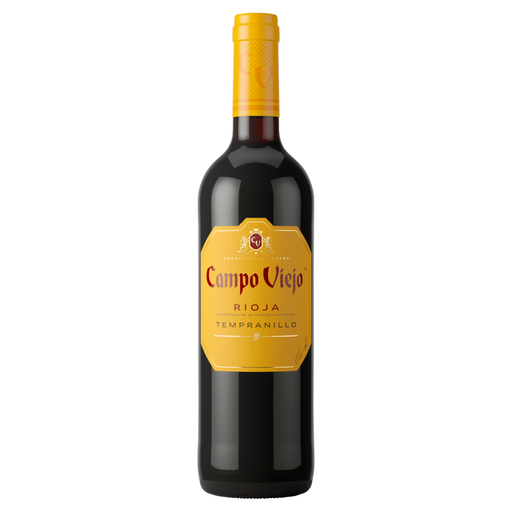
Why This Fits Their Persona: A straightforward 75cl Rioja red wine for shoppers who want a familiar Tempranillo-led style for casual meals and relaxed evenings.
The product listing identifies the grape, 13% ABV and 75cl quantity, helping you compare it with larger case offers.
Tempranillo-led profile; suitable for everyday food pairing; 13% ABV.
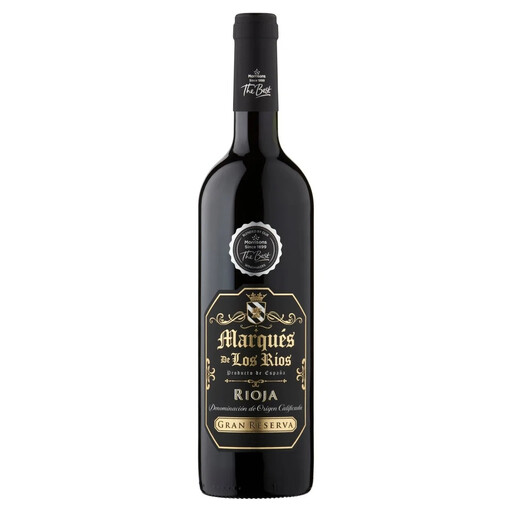
Why This Fits Their Persona: A mature Rioja Gran Reserva option for a special dinner, formal hosting or a Rioja wine gift.
Its Gran Reserva classification provides a clearer indication of ageing than vague descriptions such as “premium” or “luxury”.
14% ABV; listed with dark-fruit, vanilla and spice characteristics; suitable for roasted meats and aged cheese.
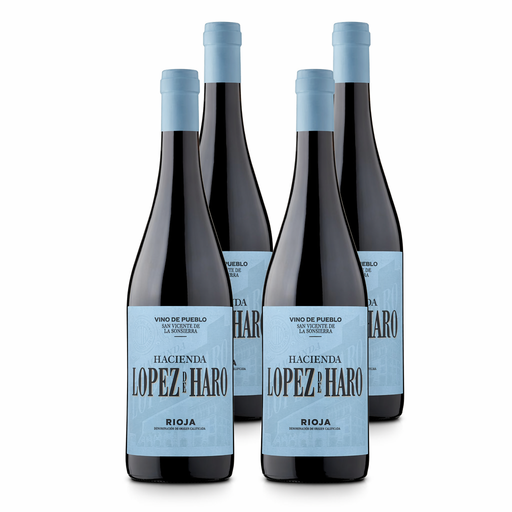
Why This Fits Their Persona: A case format for regular hosts, larger households or shoppers planning several meals and gatherings.
The listing specifies 75cl bottles, 14% ABV and suitability for vegans and vegetarians, making case comparison more transparent.
20 months in French and American oak; suited to grilled meats, stews and aged cheeses.
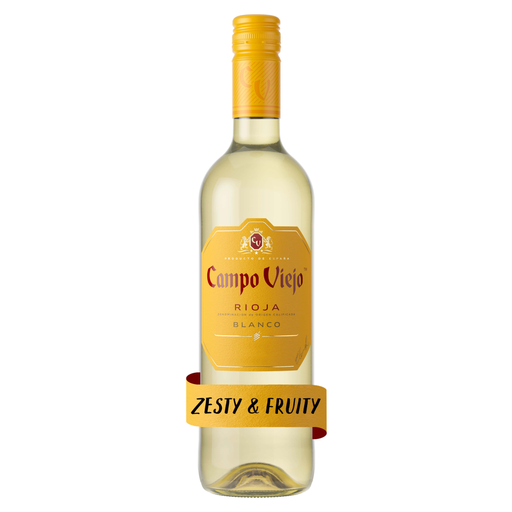
Why This Fits Their Persona: A chilled white Rioja for seafood, salads, creamy pasta, tapas and guests who prefer a crisp alternative to red wine.
The product is clearly identified as a white Rioja with Viura and Tempranillo Blanco rather than being grouped with red Rioja styles.
13% ABV; serve at 8–10°C; listed notes include citrus, white peach and floral hints.
We have compiled a complete, real-time list of products that fully satisfy these strict selection criteria and UK safety regulations.
Serve Rioja red wine at approximately 16–18°C, rather than too warm beside a radiator. White Rioja is generally more refreshing at 8–10°C. Store unopened bottles away from direct sunlight and heat. Once opened, re-cork and refrigerate; follow the product label for recommended consumption time.
Always check the physical packaging for current allergen, alcohol and dietary information. Alcohol is for adults aged 18 and over. The UK Chief Medical Officers advise that adults should not regularly exceed 14 units per week. Do not drink during pregnancy, drive after drinking or combine alcohol with machinery use.
No. Rioja includes red, white and rosé styles. Rioja red wine is commonly associated with Tempranillo, while white Rioja may use Viura or Tempranillo Blanco. Choose according to the food, serving temperature and fruit profile you prefer.
It can be appropriate when you want oak, developed spice and a more mature texture. However, a Crianza may offer fresher fruit and better suitability for casual meals. Compare the classification, bottle size and stated flavour profile rather than assuming higher ageing automatically means greater personal enjoyment.
Buy a single 75cl bottle when trying an unfamiliar grape or producer. A case deal makes more sense when you already know the style suits your household, upcoming gatherings or regular food pairings. Check the number of bottles, total volume and storage space before ordering.