
24/7 全天候客户支持

免费退货

当日/次日达

品质保障

开启新人专享福利: 全场免邮 | 低至 2 折 | 免费试用 30 天 JoyPlus 会员
下载 Joybuy
For many runners in the UK, a single run can involve a variety of surfaces. You might start on the pavement outside your door, cut through a local park with gravel paths and finish on a muddy woodland trail. This mix of terrains presents a challenge: do you sacrifice comfort on the road for grip on the trail, or vice versa? The solution lies in a versatile category of footwear: road to trail running shoes.
These hybrid running shoes are designed to perform capably on both sealed and unsealed surfaces, saving you the expense and hassle of owning multiple pairs. This guide will walk you through what to look for in a pair of running shoes for varied terrain and offer some recommendations to support your entire running routine.
Choosing the right pair of hybrid runners involves balancing features. Here are a few key considerations to help you find a shoe that fits your needs.
The outsole is the part of the shoe that makes contact with the ground. For all terrain running shoes, the goal is to find a middle ground. The lugs (the tread patterns on the sole) should be deep enough to provide traction on loose dirt and wet grass, but not so aggressive that they feel uncomfortable or wear down quickly on pavement. Look for multi-directional patterns made from a durable rubber compound that offers reliable grip without feeling clunky on harder surfaces.
Running on hard surfaces like concrete generates significant impact. A good pair of cushioned running shoes will feature a midsole made from materials like EVA foam, which absorbs shock and protects your joints. For road-to-trail use, the cushioning needs to be substantial enough for the road but also stable enough to give you a good feel for the trail underfoot, preventing twists and falls.
The upper part of the shoe needs to be a breathable running trainer to allow heat and moisture to escape, keeping your feet comfortable. However, it also needs to be more durable than a standard road shoe. Look for uppers made from engineered mesh with protective overlays in high-wear areas like the toe box and sides. This construction helps shield your feet from rocks and branches without adding excessive weight, making for ideal lightweight trail running shoes.
As your Joybuy Product Recommendation Officer, I've selected a few items that can enhance your running experience, from the run itself to post-run recovery and organisation.
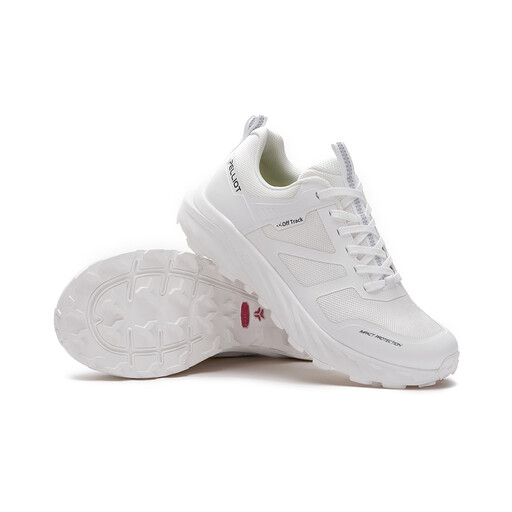
Why It Stands Out: This shoe is engineered specifically for the runner who transitions between different environments. It combines a lightweight, breathable upper with a robust sole, making it a strong candidate for those seeking versatile unisex running shoes. The design focuses on providing both protection and comfort across changing landscapes.
The high-elastic EVA foam midsole is a key feature, delivering the shock absorption needed for pavement pounding while offering enough rebound to feel agile on the trail. Paired with the ROCKYTEC rock-technology outsole, it provides a dependable grip on surfaces ranging from wet paths to loose gravel.
Pros:
Who is it for? This shoe is for the active individual whose runs regularly include a mix of road, park and light trail sections. It’s a practical choice for anyone wanting a single, reliable shoe that can handle the demands of varied terrain without compromise.
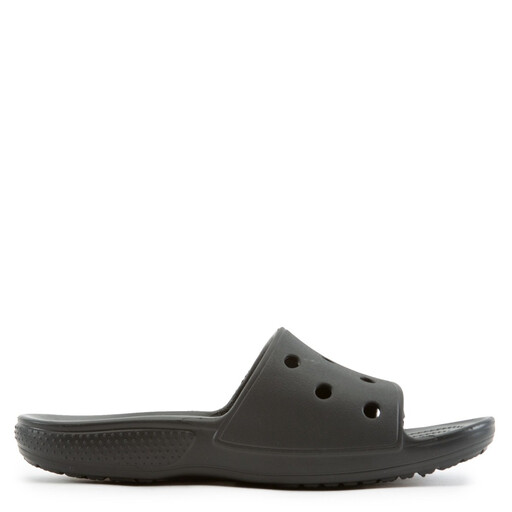
Why It Stands Out: What you do after your run is just as important as the run itself. Slipping out of your running shoes and into something comfortable allows your feet to breathe and recover. The Classic Crocs Slide is an excellent option for this. Its simple, open-toe design and cushioned footbed provide immediate relief for tired feet.
Made from the brand's signature Croslite material, these slides are incredibly lightweight and provide a soft, supportive feel underfoot. They are easy to clean, making them perfect for wearing after a muddy trail run.
Pros:
Who is it for? Any runner who wants to give their feet some well-deserved comfort after a long run. They are also a practical choice for wearing around the house or in the garden.
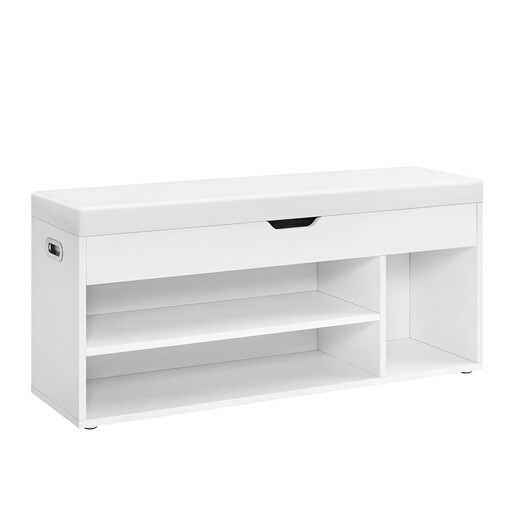
Why It Stands Out: A dedicated runner often accumulates a fair amount of gear, and keeping it organised can be a challenge. This entryway storage bench provides a practical solution for storing your road to trail running shoes and other essentials. It helps keep your hallway or living space tidy and free of clutter.
The bench features both open shelves and a hidden compartment, offering flexible storage for shoes, socks and other accessories. The padded seat provides a comfortable spot to sit while you lace up or take off your shoes.
Pros:
Who is it for? This is for the runner who values an organised living space. It’s a functional piece of furniture that serves the dual purpose of storage and seating, making it a great addition to any active household.
If you're interested in exploring a wider variety of supportive footwear, from performance trainers to everyday comfort shoes, our broader collection has something for everyone.
? Explore our full range of cushioned footwear here
Road running shoes are designed for hard, even surfaces. They prioritise lightweight cushioning and flexibility. Trail running shoes are built for uneven, natural terrain. They feature more aggressive outsoles for grip, durable uppers for protection and are often firmer to provide stability on rocky or rooted paths. Road to trail running shoes aim to blend these characteristics for all-around performance.
Yes, for light to moderate day hikes on well-maintained trails, hybrid running shoes are often an excellent choice. They are more lightweight and flexible than traditional hiking boots, which many people find more comfortable. However, for challenging terrain, multi-day treks or when carrying a heavy pack, a dedicated hiking boot with more ankle support and protection is recommended.
A general guideline for replacing running shoes is every 300 to 500 miles. However, this can vary based on your weight, running style and the terrain you frequent. Pavement wears down outsoles faster than soft trails. Pay attention to the shoe's condition. If the cushioning feels compressed, the tread is visibly worn or you start to feel new aches and pains after a run, it is likely time for a new pair.