One- or two-person road-trip snack buyers
Choose a 2- or 4-pack when you want enough pastry for a short journey without opening a large pack. Tesco, Waitrose and Sainsbury’s currently list formats in these smaller pack sizes.


For one or two travellers, a ready-to-eat 2- or 4-pack is the most straightforward way to bring individually portioned croissants without planning for a large remainder. Choose an 8-pack for a group or when unused pastries have a realistic freezing plan; choose a sliced croissant loaf when you want to prepare filled portions before setting off.
Choose a 2- or 4-pack when you want enough pastry for a short journey without opening a large pack. Tesco, Waitrose and Sainsbury’s currently list formats in these smaller pack sizes.
An 8-pack can suit a journey with several eaters or later use at home. Tesco and Waitrose list 8-pack options, and Waitrose states that its all-butter 8-pack is suitable for freezing.
A sliced croissant loaf is useful when you want to make sweet-spread or savoury-filled portions before departure. Plan separately for the storage needs of any perishable filling.
Start with the number of people eating, then decide whether you need a ready-to-eat pastry or have time to prepare sliced or frozen options before travel.
| Priority | What to check | Your needs |
|---|---|---|
| Pack size | Compare the actual croissant count or loaf weight with the number of travellers. Check storage guidance if any pastries will be kept for later; Waitrose describes its 8-pack as suitable for freezing. | I want enough individually usable portions for the journey without bringing home more pastries than we can use. A 2- or 4-pack is a practical starting point for one or two people, while an 8-pack suits a group or planned repeat use. |
| Eating convenience | Choose individually portioned croissants for an option that needs no knife or toaster. A sliced croissant loaf is better prepared before departure rather than assembled in the car. | I need a snack that is simple to hand out at a stop. If I want fillings or spreads, I can make portions in advance from a sliced loaf. |
| Allergen information | Read the current label or retailer page for ingredients, highlighted allergens and precautionary statements. Check each variant separately, especially almond or filled pastries. | I need to identify relevant allergens before we travel. Lidl lists milk, wheat and egg for its all-butter croissant, while its almond croissant also lists almonds; the Food Standards Agency requires food businesses to provide allergen information for prepacked and non-prepacked food. |
| Filled-snack transport | Check the storage instructions for every filling, not only the pastry. Prepare chilled fillings close to departure where possible and avoid leaving them in a warm car. | I am making croissant sandwiches, so the filling changes the transport plan. A plain ambient pastry and a croissant filled with refrigerated ingredients should not be treated in the same way. |
The relevant formats for this decision are small multipacks, larger multipacks and a 380 g sliced croissant loaf. Focusing only on the phrase “half loaf” can make practical portion-controlled choices easier to overlook.
Compare the pack count, weight, storage instructions and planned servings. Choose a 2- or 4-pack when reducing leftovers is the main aim.
An 8-pack provides more portions, but it may leave unused pastries for a one- or two-person trip. Tesco and Waitrose list both smaller and larger formats, and Waitrose identifies its 8-pack as suitable for freezing.
Match the pack to the people eating on the journey. Choose a larger pack only when you expect to use, share or freeze the remainder.
Croissants can contain wheat, milk and egg, while almond and filled variants can add other allergens. The allergen profile needs checking product by product.
Read the current label or retailer listing, including any precautionary statement. When buying from an in-store bakery, ask for the available allergen information.
A croissant becomes a different food-safety consideration when it is filled with chilled ingredients. The relevant storage needs come from the filling rather than the pastry alone.
Follow the filling’s storage directions, prepare it close to travel where possible and keep chilled food in suitable conditions rather than leaving it in a warm car.
M&S lists a 75 g in-store bakery all-butter croissant and packaged 160 g all-butter croissants, offering an individual purchase alongside a small packaged option.
Tesco lists Tesco Finest All Butter Croissants as a 4-pack, alongside Tesco own-brand 2-, 4- and 8-pack formats and St Pierre Croissant Loaf 380 g.
Sainsbury’s lists Taste the Difference Butter Croissants as a 4-pack and also lists St Pierre Croissant Loaf 380 g.
Waitrose lists a No.1 2 Butter Croissants pack, a standard 4-pack and an 8 All Butter Croissants pack.
Asda lists St Pierre Croissant Loaf 380 g and has an Asda bake-from-frozen all-butter croissant product page.
Lidl lists an in-store All Butter Croissant and an Almond Croissant, with price and availability linked to the selected store.
These Joybuy options represent frozen bake-at-home croissants for travellers who can prepare, cool and pack pastries before departure.
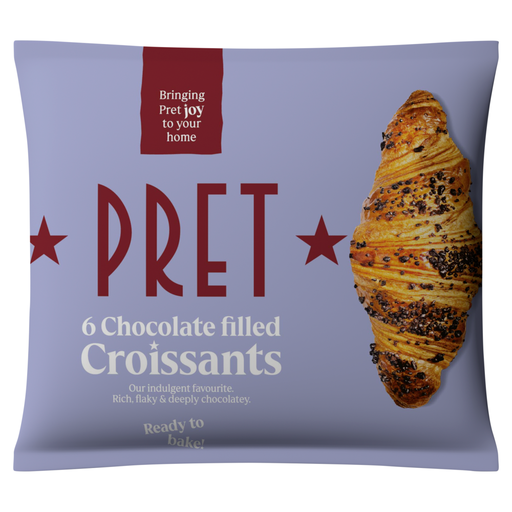 No image available
For a group or repeat use when you can bake and cool the pastries before leaving.
Six chocolate-filled croissants; oven-cook from frozen for 22 minutes. Contains wheat, gluten, milk, egg and soya, and is stated to be unsuitable for nut and sesame allergy sufferers.
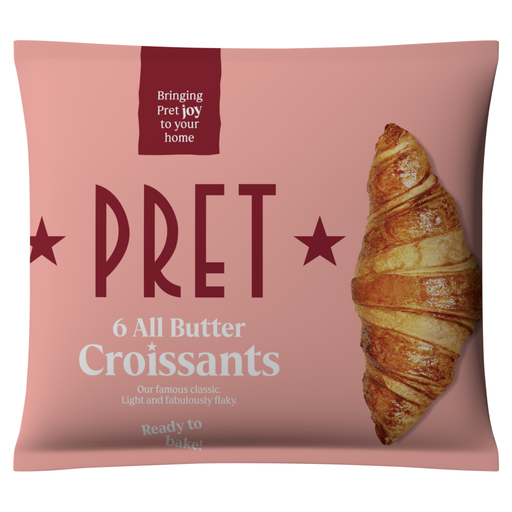 No image available
A plain croissant option for travellers able to prepare snacks before leaving rather than buy an immediate ready-to-eat pack.
Bake from frozen for 20 minutes. Contains wheat, gluten, milk and egg; may contain nuts, sesame and soya. Check the current pack label for the number of croissants.
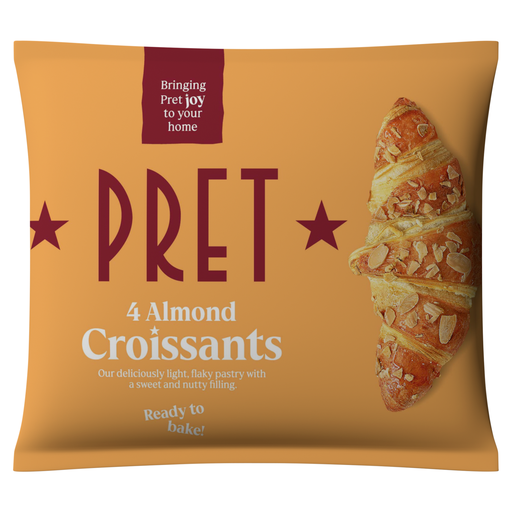 No image available
A prepared-before-departure option for travellers whose group can safely eat almond-containing pastries.
Frozen almond-filled croissants that need baking before travel and should not be reheated once cooled. Contains almonds, wheat, gluten, milk and egg; may contain other nuts, sesame and soya.
The practical loaf option in this comparison is St Pierre Croissant Loaf 380 g, described by St Pierre and retailers as sliced and toastable. For a smaller household, choose a 2- or 4-pack when you want fewer pastries at once, or use the loaf over more than one occasion in line with its storage instructions and best-before date.
Ready-to-eat 2- or 4-pack croissants are the simplest format because each pastry is already portioned and needs no slicing or toasting. A sliced croissant loaf works better when portions are made before departure, as it is intended for slicing, toasting and toppings.
Yes, but check the filling separately from the pastry. Follow the filling’s storage label, prepare it close to travel where possible and keep chilled ingredients in suitable conditions; GOV.UK states that food businesses in England, Wales and Northern Ireland must keep chilled food at 8°C or below.
Yes. The Food Standards Agency states that food businesses must provide allergen information for prepacked and non-prepacked food. Formulations vary: Lidl lists milk, wheat and egg for its all-butter croissant, while its almond croissant also lists almonds.
They can, but only after preparation according to the pack instructions and with time for cooling before packing. Joybuy’s Pret butter croissant listing describes a frozen product that needs baking from frozen, so it is a prepare-before-leaving option rather than an immediate snack.