Drivers choosing a soft drink
A tonic on its own or a drink explicitly sold as non-alcoholic keeps spirits out of the driver’s serve. GOV.UK cautions that the drink-drive limit cannot be converted into a personal number of drinks.


If you will drive, choose a drink explicitly sold as non-alcoholic or have a soft mixer without spirits; GOV.UK says the legal drink-drive limit cannot be translated into a safe number of drinks for an individual. For the snacks, choose the flavour and pack format you want, then check sugar and sweeteners separately: a lighter tonic is not necessarily sugar-free.
A tonic on its own or a drink explicitly sold as non-alcoholic keeps spirits out of the driver’s serve. GOV.UK cautions that the drink-drive limit cannot be converted into a personal number of drinks.
If some travellers want tonic without sugar, compare the nutrition panel and ingredients rather than relying on words such as “light”. A sweetener may matter to someone sharing the drinks.
Quinine and botanical ingredients offer another flavour direction alongside savoury snacks. Check the chosen drink’s sugar information as well as its flavour description.
Decide what the driver will drink before comparing flavour, nutrition and pack size; these answer different questions about the finished drink.
| Priority | What to check | Your needs |
|---|---|---|
| Alcohol in the serve | Check how the finished drink is described. If using a soft mixer, establish whether any spirit will be added. | If I’m driving, I want a drink explicitly sold as non-alcoholic or a soft mixer served without spirits. GOV.UK says no personal drink allowance can be calculated from the legal limit. |
| Sugar and sweeteners | Compare sugars and energy per 100 ml, then read the sweetener ingredients and warnings. Low calorie and no sugar do not describe alcohol content. | For a no-sugar tonic, I would check the exact pack label. Sainsbury’s lists its 1-litre Schweppes Slimline Tonic Water at 0 g sugars and 2 kcal per 100 ml, with aspartame and a phenylalanine warning. |
| Flavour | Look for the stated tonic, ginger or citrus ingredients and check the nutrition panel separately. Fentimans lists quinine and fermented botanical extracts in its Premium Indian Tonic Water. | With savoury snacks, I might prefer a bitter tonic to a ginger or citrus drink; the flavour choice does not settle the sugar question. |
| Pack format | Compare the number and size of cans or bottles with the number of people drinking and the space available to carry them. | For separate drinks during the journey, I may prefer small cans; a bottle makes more sense when we plan to share it at a stop. |
Calorie and sugar descriptions tell you nothing about a spirit added to a mixer. They also answer a different question from the alcohol description of a finished drink.
For a driver, choose an explicitly non-alcoholic drink or serve the soft mixer without spirits. Read the nutrition panel separately if sugar or sweeteners matter.
GOV.UK says the limits differ in Scotland and the rest of the UK, and that it is impossible to say exactly how many drinks equal a limit for any individual.
If you will drive, do not work backwards from a legal limit to decide how much to drink; choose a non-alcoholic serve instead.
Sainsbury’s lists aspartame and a source of phenylalanine in its 1-litre Schweppes Slimline Tonic Water. The NHS says aspartame is unsuitable for people with phenylketonuria (PKU).
Check the ingredients and warnings on the exact pack, particularly if someone sharing it has PKU.
Fever-Tree describes its non-alcoholic aperitifs as made without alcohol. Its tonic range offers a separate choice of mixer flavours and formats.
Sainsbury’s lists distinct 1-litre Slimline and standard Schweppes tonic waters, so their nutrition information should not be treated as interchangeable.
Fentimans lists quinine, lemongrass and fermented botanical extracts in its Premium Indian Tonic Water.
Britvic announced classic and zero-sugar Indian Tonic Water in 330 ml cans in September 2023.
Tesco Groceries has listed its own-label Low Calorie Indian Tonic Water in 1-litre bottles and packs of 6 × 250 ml.
These tonic, ginger ale and lime soda packs offer small cans for separate road-trip serves. For a driver, serve a soft mixer without spirits and check the exact drink’s label if its stated alcohol content matters to your choice.
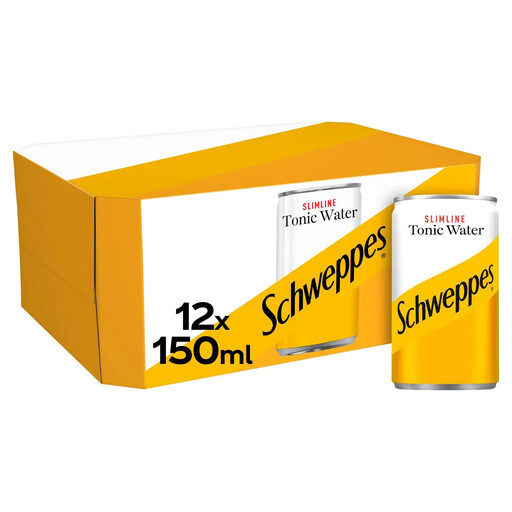 No image available
A 12-can tonic pack for separate serves. Check this pack’s nutrition panel and sweetener warning if you are choosing it for sugar content or sharing it with someone who has PKU; keep a driver’s serve free of spirits.
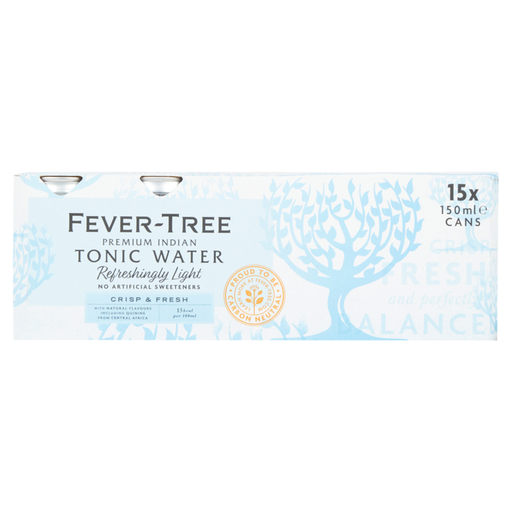 No image available
A 15-can Indian tonic pack for individual portions. “Refreshingly Light” does not mean no sugar; compare the exact pack’s nutrition panel if that distinction matters, and serve without spirits for a driver.
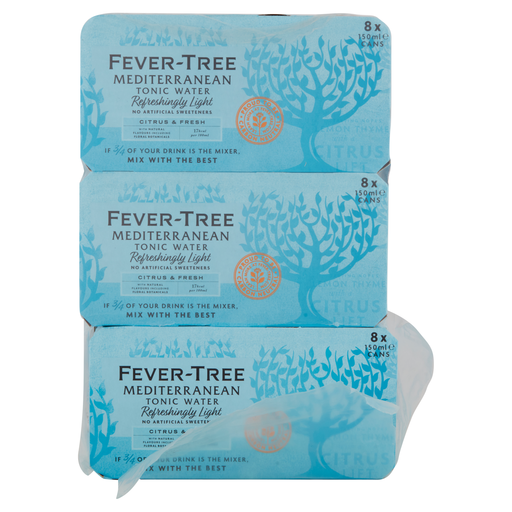 No image available
An eight-can Mediterranean tonic option for separate serves. Check the exact label for ingredients and sugars if you are choosing between botanical flavours, and leave spirits out of a driver’s drink.
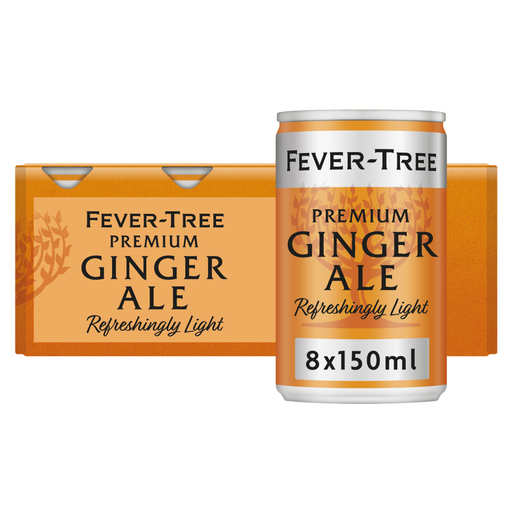 No image available
An eight-can ginger ale alternative if the group wants something other than tonic with its snacks. Check the exact pack’s sugar information rather than assuming “light” means sugar-free; do not add spirits to a driver’s serve.
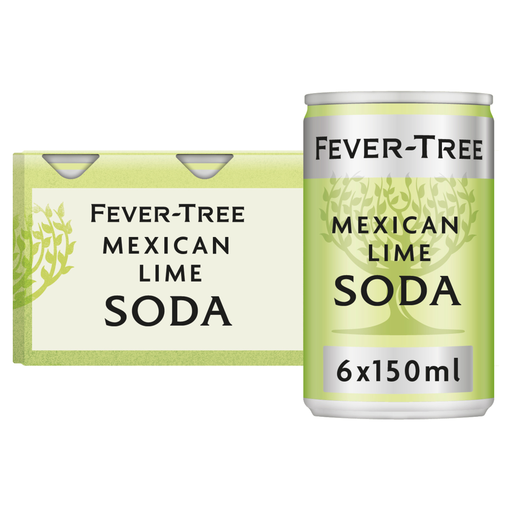 No image available
A six-can lime soda option for individual portions instead of tonic or ginger ale. Read the exact pack’s ingredients and nutrition panel for the details that matter to your group, and serve it without spirits to a driver.
Do not use “low alcohol” or the legal drink-drive limit as a personal drinking allowance. GOV.UK says it is impossible to say exactly how many drinks equal the limit for an individual; choose an explicitly non-alcoholic drink or a soft mixer without added spirits.
No. Calories, sugar and alcohol describe different characteristics, and adding spirits changes a soft mixer’s finished serve. Check what you are actually drinking as well as the mixer’s nutrition label.
Read the sweetener ingredients and warnings on the exact pack. Sainsbury’s lists aspartame and a source of phenylalanine in its 1-litre Schweppes Slimline Tonic Water; the NHS says aspartame is unsuitable for people with phenylketonuria (PKU).
Choose small cans if people want separate drinks during the journey; consider a larger bottle when the group plans to share it. Fever-Tree describes its cans as suited to use on the go and its bottles as suited to sharing, but check the size of the particular pack.