Dinner-party batch roasters
If squash wedges must share oven time with other dishes, look at usable shelf positions, tray fit and access to each tray—not cavity capacity alone.


Choose by usable cooking space and the rest of your dinner-party menu, not by the word “convection” alone. A countertop oven can provide an extra roasting zone if its trays fit; a built-in single fan oven suits cooking in one compatible cavity; and a double oven is worth considering when dishes need separate cooking zones. Check tray and housing dimensions, worktop clearance where relevant, and electrical requirements before choosing optional steam or cleaning features.
If squash wedges must share oven time with other dishes, look at usable shelf positions, tray fit and access to each tray—not cavity capacity alone.
A countertop oven may add a cooking zone without changing fitted cabinetry. Its worktop footprint, required clearance, supplied trays and electrical requirements still need checking.
When replacing an installed oven, match the new appliance to the housing and check its connection requirements before weighing up cooking and cleaning features.
Consider it when: You need an additional roasting zone and have suitable worktop space. Ninja says its DT200UK can cook on two levels; check the layout of any model you consider.
Allow for: Tray size, surrounding clearance and the appliance’s electrical requirements. A countertop oven does not provide the same layout as every installed oven.
Consider it when: A compatible oven housing is already available and one cavity can accommodate the squash and accompanying dishes.
Allow for: Scheduling dishes that need different temperatures. Check the exact model’s connection requirements; some built-in ovens specify installation by an electrician.
Consider it when: Squash and another dish need separate cooking zones, particularly if their cooking requirements differ.
Allow for: A compatible housing and enough space for your tray in the cavity you intend to use. Combined capacity does not establish the size of either cavity.
| Concern | What to check | Who this matters to |
|---|---|---|
| Usable tray space | Measure your roasting tray, then check internal dimensions, shelf positions and supplied racks. Assess each double-oven cavity separately. | If squash and side dishes must cook around the same serving time, I need a layout that accommodates the planned trays. Roughly 33% of consumers put usable batch capacity first. |
| Roasting control | Check the exact model’s fan or hot-air modes, usable shelf levels and controls; do not treat added steam as a guarantee of browning. | When roasting wedges across trays, I want to understand which settings and positions I can use. Around 27% of consumers make roasting control their primary concern. |
| Fit and connection | Compare appliance dimensions with the housing or worktop space, then check clearance, connection type and electrical requirements. | If an oven will not fit my kitchen or connect appropriately, its cooking features cannot settle the choice. Roughly 27% of consumers prioritise fit and installation. |
| Cleaning and upkeep | Identify the exact cleaning system, if any, and check its preparation and maintenance instructions. | After cooking for guests, I would rather choose a cleaning routine I can manage regularly. Around 13% of consumers put upkeep first. |
A capacity figure cannot tell you whether your roasting tray fits or whether the shelves you need can be used together. In a double oven, the two cavities also need separate checks.
Measure the tray you plan to use and compare it with the exact model’s internal dimensions, shelf positions and accessories.
Some built-in ovens specify a fixed electrical connection. Electrical Safety First advises checking an oven’s power requirements before choosing it.
Confirm the exact model’s connection instructions and arrange a qualified electrician where required. Do not use an extension lead for a high-load oven.
Added steam or a cleaning system does not establish that the oven accommodates your trays or fits the kitchen.
Settle the cooking layout, physical fit and electrical requirements first; then compare the optional features you expect to use.
A countertop oven needs a suitable position as well as an appropriate electrical supply. Nearby materials and the space around the appliance matter during use.
Follow the manufacturer’s placement and clearance instructions and check that the kitchen supply is appropriate for the model.
These brands offer examples of the formats or features relevant to this choice; the details depend on the particular model.
Bosch has built-in single ovens with hot-air cooking and, on selected models, added steam.
Beko’s built-in range includes single and double ovens, offering different cavity arrangements to compare.
NEFF offers built-in ovens with model-specific hot-air, door-access and added-steam features.
Ninja’s countertop ovens are relevant when an additional cooking zone is preferable to changing fitted cabinetry.
These built-in single and double ovens are options for fitting an oven into a kitchen. Compare their individual cavities and installation requirements against your trays and available housing before choosing one for dinner-party roasting.
 No image available
Consider this single oven if you are replacing an installed appliance and can use one cavity for your planned dishes. Check that your roasting tray fits and confirm the stated hardwired connection requirements with a qualified professional.
 No image available
Two cavities may help when squash and another dish need separate cooking zones. This is a 90 cm built-in model: check the housing and the tray fit in each cavity, and arrange the specified hardwired installation.
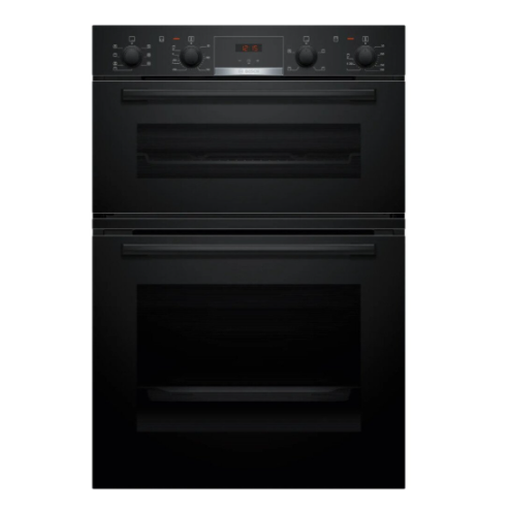 No image available
A double-oven layout is relevant when dinner-party dishes need separate zones. Check the tray fit in each cavity and the required housing: this model is described as an eye-level installation, not one for under a worktop. Confirm its hardwired connection requirements.
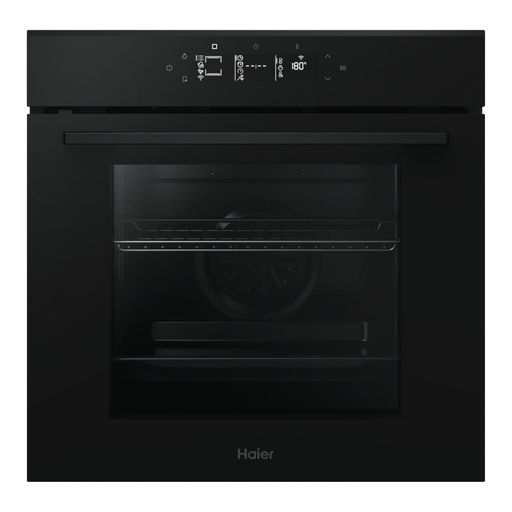 No image available
Consider this single-cavity oven if your party menu can share one cooking zone. Its stated capacity is 70 L, but check the internal layout against your tray. Confirm the maximum temperature with the seller before relying on a particular setting, and check the hardwired connection requirements.
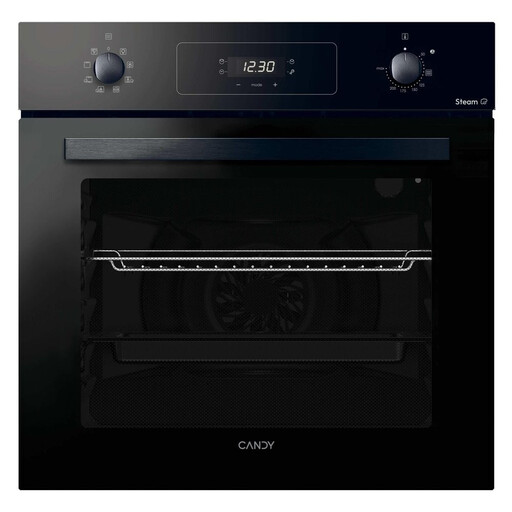 No image available
This 65 L single oven is an option when the planned roasting can take place in one cavity. Check internal tray fit and the shelf arrangement if cooking more than one tray, then confirm the connection method and installation requirements.
It can serve as an additional roasting zone if its trays fit the food you plan to cook and you have suitable worktop space. Ninja says its DT200UK cooks on two levels, but check the capacity, clearance and electrical requirements of the exact countertop model rather than assuming it replaces a full-size oven.
No: a single fan oven may be sufficient if its shelves accommodate your planned trays and the dishes can share a cooking zone. Consider a double oven when dishes need separate zones or different temperatures, and measure each cavity before deciding.
Check the exact oven’s connection instructions: some built-in models are supplied without a plug and specify connection by an electrician. Electrical Safety First advises using a qualified electrician for oven installation. In England and Wales, fixed electrical installation work must comply with the applicable Building Regulations; Scotland and Northern Ireland have different arrangements.
Yes, compare the energy information for ovens you are considering on a like-for-like basis. UK government guidance includes domestic ovens within energy-information rules; check the relevant label and product information alongside cavity size and the way you expect to cook.