
24/7 Customer Support

Free returns

Same-day & Next-day Delivery

Quality Guaranteed

Unlock Your Welcome Offers: FREE Delivery | Up to 80% OFF | Free 30-day JoyPlus trial
Download the APP
There is something uniquely satisfying about the deep, savoury flavour of properly roasted food. From the comforting crunch of oven-ready roast potatoes to the complex notes of roasted green tea, this cooking method transforms simple ingredients into something truly special. However, navigating the world of pre-packaged roasted food can be tricky. Marketing claims often promise more than they deliver, leading to disappointment and wasted money.
As a Product Recommendation Officer, my role is to help you see past the hype. This guide will break down the common pitfalls to watch out for when shopping for roasted and toasted snacks and meals and highlight the key factors that genuinely matter for quality and flavour.
Many products use the word "roasted" as a marketing buzzword. Before you add an item to your basket, be aware of these three common traps:
roasted snacks, particularly roasted nuts and crisps, are marketed as a wholesome choice. However, a closer look at the nutritional information can reveal surprisingly high levels of sodium, sugar and saturated fats, which are often used to enhance flavour and shelf life.toasted pastry that turns out to be soft and doughy or roasted seaweed that has lost its signature crispness, poor texture is a common complaint. This can be due to inadequate processing, poor packaging that lets in moisture, or simply a product that doesn't live up to its "crispy" or "crunchy" promise.To ensure you are buying a product that delivers on its promise, focus on these two core parameters before making a purchase.
The ingredients list is your most reliable source of information. It tells you exactly what you are eating, cutting through the jargon on the front of the pack.
roasted meat products to vegetarian alternatives.The term "roast" can describe several different heat-based processes. Understanding the distinction can help you choose the right product for your taste.
oven-ready roast potatoes and vegetarian roast dishes. It creates a tender interior and a crisp, golden-brown exterior.roasted nuts, seeds and some grains. It uses dry heat to develop flavour and create a crunchy texture without adding oils.roasted green tea (Hojicha). It imparts a distinct smoky, nutty character that is very different from standard steamed green tea. Products like rusk toast also rely on a second baking or toasting process to achieve their characteristic hardness and crunch.By checking these details, you can make a much more informed decision and find the ready to eat roasted meals and snacks that truly deliver that authentic, satisfying flavour.
To help you get started, here are a few products that align with different needs and preferences, each selected for its clear labelling and quality attributes.
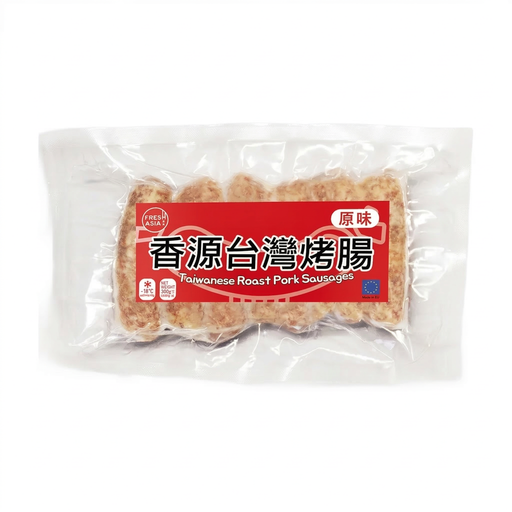
Why This Fits Their Persona: This ready-to-eat sausage is ideal for quick lunches or adding flavour to weeknight meals like fried rice or noodles. Its convenience suits a busy UK lifestyle without sacrificing a satisfying, meaty taste.
It sidesteps the "roasted flavour" deception by using a high pork content (88%) and a traditional recipe, ensuring the flavour comes from the meat and spices, not artificial additives.
Extremely versatile—can be eaten cold, pan-fried or added to other dishes. The authentic Taiwanese flavour provides a unique alternative to standard cooked meats.
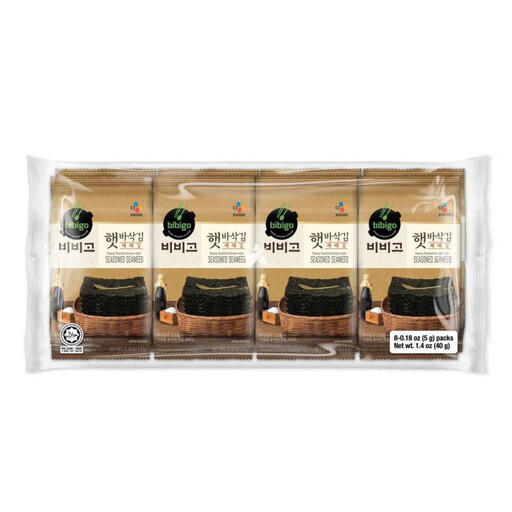
Why This Fits Their Persona: This is a light, savoury and crunchy snack that satisfies cravings without the heaviness of crisps or nuts. It's a popular choice for those looking for flavourful, low-calorie options.
It avoids the "texture disappointment" by being sold in 8 individual 5g packs. This ensures each portion is fresh and crispy when opened and helps with portion control to counter the "healthy snack illusion."
The ingredients are simple and authentic (seaweed, soy sauce, sesame oil). It's ready-to-eat and can be used as a snack or as a topping for rice and soups.
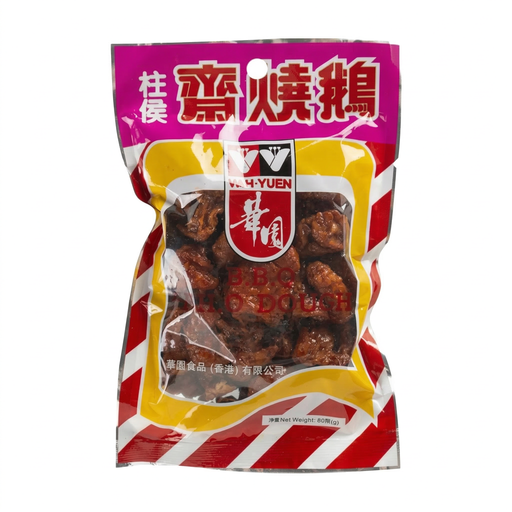
Why This Fits Their Persona: For those seeking exciting plant-based options, this product offers a unique taste of traditional Asian cuisine. It's a ready-to-eat `vegetarian roast` that provides a complex, savoury flavour profile unlike typical meat-free alternatives.
This product avoids the blandness of many vegetarian options by using wheat gluten for a satisfying, chewy texture and authentic Chu-Hou sauce for a rich, savoury-sweet flavour.
It's a high-protein, plant-based snack or meal component that requires no cooking. It can be served as a cold dish, added to stir-fries or used in sandwiches.
We have compiled a complete, real-time list of products that fully satisfy these strict selection criteria and UK safety regulations.
Check the ingredients list. A genuine product will state the main ingredient is "roasted," for example, "roasted peanuts" or "roasted wheat gluten." If the list only contains "roast flavouring" or "smoke flavouring" near the end, the taste is likely artificial. Also, look for descriptive words like "oven-baked" or "flame-roasted" in the product description.
Yes, many modern vegetarian and vegan roast products are excellent. They typically use a base of soy protein or wheat gluten (seitan) to create a satisfying, meaty texture. The key to a good one is the seasoning. Look for products that use traditional sauces, herbs and spices to build a rich flavour, rather than just salt and artificial flavour enhancers.
To prevent your roasted snacks from losing their crunch, store them in an airtight container in a cool, dry place, away from direct sunlight. For products that come in large bags, such as crisps or nuts, consider decanting them into a smaller sealed container after opening. For items like roasted seaweed, which are very sensitive to moisture, it is always advisable to consume them immediately after opening an individual pack.