
24/7 Customer Support

Free returns

Same-day & Next-day Delivery

Quality Guaranteed

Unlock Your Welcome Offers: FREE Delivery | Up to 80% OFF | Free 30-day JoyPlus trial
Download the APP
Roasted sesame seeds are a small store-cupboard ingredient with many uses, from sushi toppings and noodle dishes to salads, bread and desserts. However, choosing a suitable pack is not simply a matter of picking the largest bag or the most attractive label.
UK shoppers can encounter several common buying pitfalls:
Look for terms such as roasted, toasted, cooked or ready to eat. These descriptions indicate how the seeds are intended to be used, but packaging instructions should still be checked.
Ready-to-use toasted sesame seeds are convenient for:
Some products can also be lightly reheated in a dry pan immediately before serving. This may intensify the aroma, but it is not necessary where the pack already states that the seeds are ready to eat.
White sesame seeds are a flexible choice for everyday cooking. Their pale colour works well with sushi rice, salads, noodles and baked goods without dominating the appearance of the dish.
Black sesame seeds create a stronger contrast on pale foods and are frequently used in Japanese and Chinese-inspired dishes, sesame paste, fillings, desserts and glutinous rice preparations. They can also be ground into a powder.
When searching for Japanese sesame seeds or Asian cooking ingredients, check whether the product is actually roasted and whether it contains anything besides sesame. A simple ingredient list of 100% sesame seeds is useful when you want control over seasoning and preparation.
Pack sizes in this selection range from 45g to 210g, with 100g to 130g options suited to regular home use. Choose according to how often you cook with sesame:
Sesame is a major food allergen in the UK. Always read the packaging before purchase, particularly if cooking for guests. After opening, keep the seeds in an airtight container in a cool, dry place away from direct sunlight. Follow the product’s best-before information and discard the contents if the smell or taste becomes unpleasant.
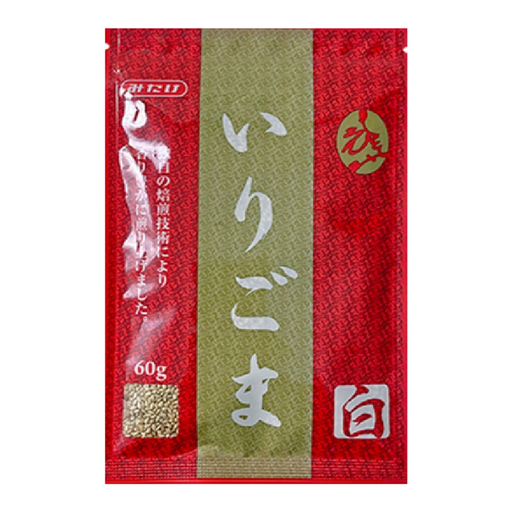
Why This Fits Their Persona: The 60g pack offers a manageable way for UK home cooks to try toasted white sesame seeds without committing to a larger quantity.
It is described as roasted and ready to use, reducing the risk of buying raw seeds when convenience is the priority.
60g format; suitable for sushi, rice bowls, salads, noodles and homemade sesame dressing.
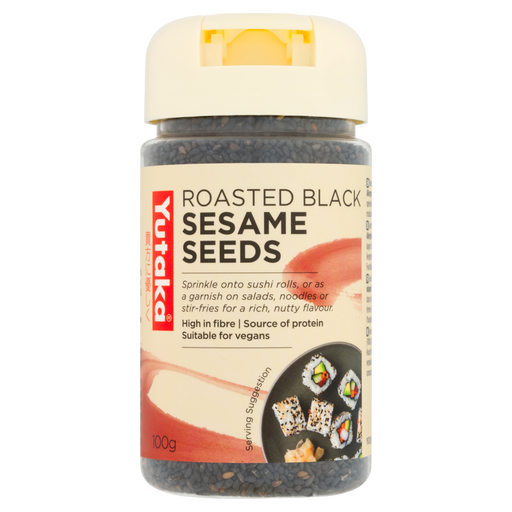
Why This Fits Their Persona: A 100g Japanese-origin option for shoppers who want black sesame seeds for presentation-led dishes and Japanese-style cooking.
The listing identifies the ingredient as sesame seeds and gives clear ready-to-use instructions rather than relying only on flavour descriptions.
Black colour adds contrast; suitable for sushi, tofu, noodles, desserts, sauces and baking.
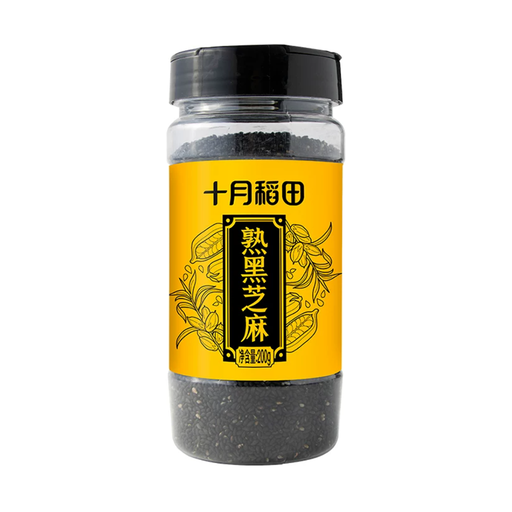
Why This Fits Their Persona: The 200g net weight suits frequent cooks, caterers and households that regularly prepare Chinese cuisine or make sesame-based fillings.
The larger quantity can reduce the need to buy multiple small packs, while the product is listed as roasted black sesame for Chinese cooking.
200g pack; black sesame format suited to cooking, garnishing and grinding.
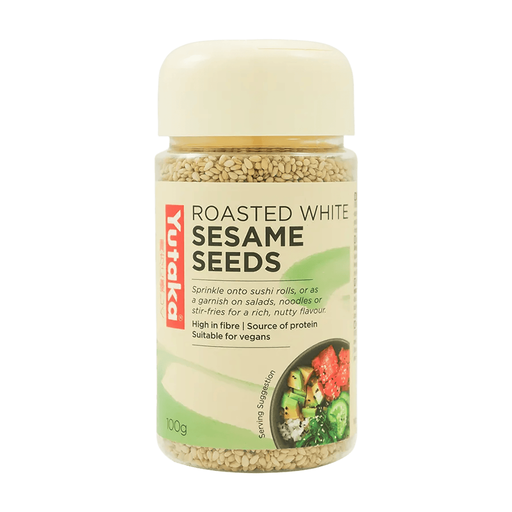
Why This Fits Their Persona: A straightforward 100g option for UK kitchens using sesame across Asian cooking, salads, garnishes and baking.
The product description states that it is ready to use and lists sesame as the ingredient, making the preparation and allergen information easy to check.
100g pack; white seeds work across sushi, salads, stir-fries, dressings and baked recipes.
We have compiled a complete, real-time list of products that fully satisfy these strict selection criteria and UK safety regulations.
Many products labelled roasted, toasted or cooked are ready to use, but always check the pack instructions. If the seeds are described as raw, toast them in a dry frying pan over moderate heat and watch closely, as they can darken quickly.
Transfer them to an airtight container and keep them in a cool, dry, dark cupboard. If you use them infrequently, refrigeration may help preserve their flavour, provided the container is sealed against moisture and odours.
They can often be used in the same recipes, including salads, noodles, sushi and baking. However, black sesame seeds provide a darker appearance and may have a more noticeable toasted flavour. Choose white seeds for a lighter garnish or black seeds when contrast and a deeper sesame character are wanted.