
24/7 Customer Support

Free returns

Same-day & Next-day Delivery

Quality Guaranteed

Unlock Your Welcome Offers: FREE Delivery | Up to 80% OFF | Free 30-day JoyPlus trial
Download the APP
Choosing a fruit squash for a UK household can seem straightforward until you compare dilution ratios, sweeteners, bottle sizes and allergen information. Robinsons no added sugar squash is available in several flavours and formats, but “no added sugar” does not automatically mean sugar-free, suitable for every child or the right-value option for your routine.
This guide cuts through the label language and compares practical choices for family hydration, lunchboxes and everyday drinks.
A no-added-sugar squash may still contain naturally occurring sugars from fruit juice. It may also use sweeteners such as aspartame, saccharin, acesulfame K or sucralose to provide sweetness. Check the full ingredient list rather than relying only on the front label.
For example, Robinsons Summer Fruits and Lemon varieties use sweeteners, while their nutritional information shows very low energy when diluted as directed. The exact figures vary by flavour and packaging, so compare the label of the specific product you intend to buy.
Nutrition panels can show values per 100ml of concentrate, per 100ml diluted drink or per 250ml glass. These figures are not directly interchangeable. A bottle that appears higher in calories may simply be listing the undiluted concentrate.
The practical comparison is the prepared serving, using the manufacturer’s recommended dilution. If you use more squash for a stronger taste, the calorie and sweetener intake per glass will also increase.
Fruit squash concentrate is not automatically free from allergens. Some Robinsons products contain sulphur dioxide or sulphites, and Summer Fruits lists a source of phenylalanine. Pink Grapefruit Fruit & Barley contains barley, which is particularly important for shoppers avoiding gluten-containing cereals.
For children’s fruit drinks, also check age guidance. Fruit Shoot products in the range carry warnings relating to children under 36 months and small bottle caps. Squash should be diluted and never served undiluted.
Flavour descriptions can be broad, so review the ingredients to understand what is actually included. Summer Fruits products may combine apple, strawberry, raspberry, cherry, plum or blackcurrant juices, depending on the pack. Lemon squash contains 10% lemon juice from concentrate in the listed 1L product, while Orange contains 10% orange fruit from concentrate.
If you prefer a sharper citrus drink, lemon or pink grapefruit may suit your taste. For a softer berry-style drink, Summer Fruits is a more natural fit.
Many concentrates are designed to be mixed at approximately one part squash to four parts water, although you should follow the instructions on the bottle. A 1L bottle can provide numerous drinks, making multipacks useful for busy households, packed lunches and regular use.
When comparing prices, calculate the approximate cost per prepared litre rather than comparing bottle prices alone. A six-bottle case may offer more consistent cupboard supply, but a single bottle is more sensible if you are still deciding which flavour your household prefers.
Look for the sweeteners used, declared allergens, preservatives and storage instructions. Once opened, several Robinsons products should be refrigerated and consumed within around four weeks, subject to the label. Fruit Shoot bottles have a shorter stated period after opening and are intended as individual drinks rather than a household concentrate.
Store unopened squash in a cool, dry place away from direct sunlight. Shake products where instructed, dilute before drinking and check the best-before date printed on the packaging.
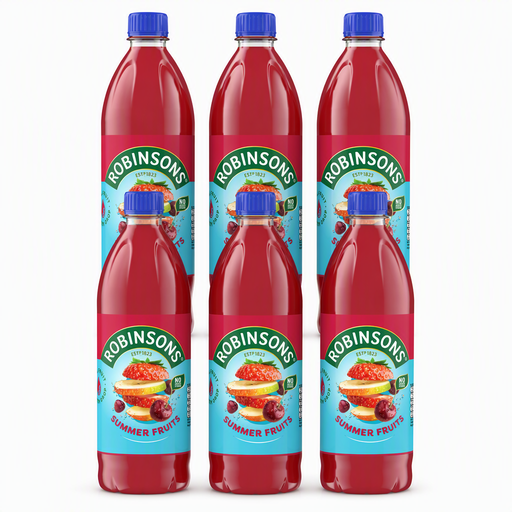
Why This Fits Their Persona: A six-bottle case suits families that already know they enjoy a berry-style drink and want a regular cupboard supply.
The listed nutrition provides 2 kcal per 100ml of diluted drink, helping shoppers compare the prepared serving rather than the concentrate.
Six 1L bottles; apple, strawberry, raspberry and cherry juice ingredients; no added sugar.
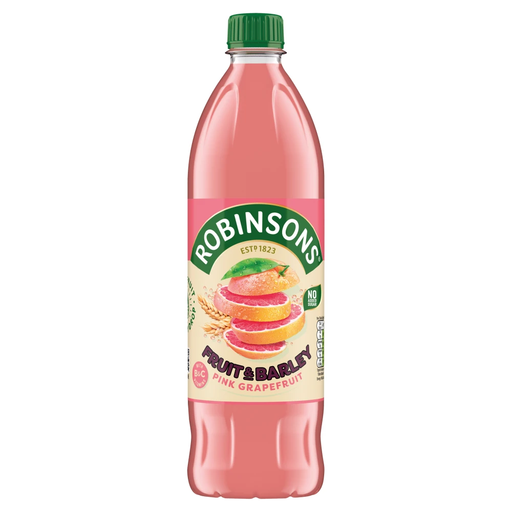
Why This Fits Their Persona: A suitable option for adults who want a more distinctive citrus flavour and are willing to check a longer ingredient list.
The product information clearly identifies barley, sulphites and the 1:4 dilution guidance, making key exclusions easier to assess before purchase.
Pink grapefruit juice from concentrate; includes vitamins C, D, B3 and B6; 2 kcal per 250ml diluted serving as listed.

Why This Fits Their Persona: Orange squash is a familiar choice for family meals, water bottles and shoppers who prefer a straightforward citrus profile.
The listed serving value is 3 kcal per 250ml diluted glass, rather than an undiluted figure. The label also states that it must not be consumed neat.
Contains 10% orange fruit from concentrate; vegan and vegetarian-friendly according to the supplied product information.
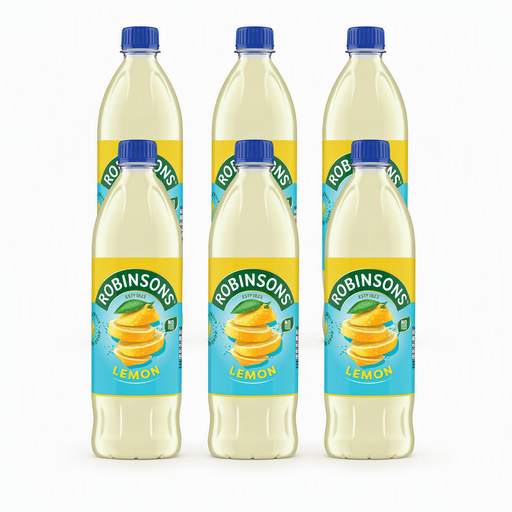
Why This Fits Their Persona: The case format works for offices, larger families or households that regularly choose lemon squash over berry or orange flavours.
The multipack makes volume clear, while the product information identifies 10% lemon juice from concentrate and gives opened-bottle refrigeration guidance.
Six 1L bottles; zesty lemon flavour; no declarable allergens listed, although the product contains a source of phenylalanine.
For lunchboxes and outings, ready-to-drink options such as Robinsons Fruit Shoot can be more convenient than carrying a bottle of diluted concentrate. Apple & Blackcurrant and Summer Fruits are supplied in 200ml bottles, while Orange Juice Drink is also available in a four-pack.
These products contain fruit juice from concentrate and sweeteners, with nutrition values ranging from 4 to 6 kcal per 100ml in the supplied listings. Check the age warning, cap safety information and storage instructions before giving them to young children. They are portioned drinks, not a replacement for plain water throughout the day.
Not necessarily. “No added sugar” means sugar has not been added as an ingredient, but some varieties contain naturally occurring sugars from fruit. Sweeteners are also used in several products. Check the specific nutrition table and ingredient list.
Many listed varieties use a guide of one part squash to four parts water, but always follow the instructions on your bottle. Add extra water for toddlers or young children where the label advises it, and never drink concentrate undiluted.
Storage periods vary by product. The listed Lemon and Orange squash products advise refrigeration after opening and consumption within four weeks, while Fruit Shoot bottles should generally be refrigerated and consumed within three days of opening. Refer to the packaging for the current instruction and best-before date.
We have compiled a complete, real-time list of products that fully satisfy these strict selection criteria and UK safety regulations.