
24/7 Customer Support

Free returns

Same-day & Next-day Delivery

Quality Guaranteed

Unlock Your Welcome Offers: FREE Delivery | Up to 80% OFF | Free 30-day JoyPlus trial
Download the APP
Keeping floors consistently clean can feel like a never-ending task. Between daily crumbs, dust bunnies and the constant battle against pet hair, it’s a chore that demands constant attention. An automatic vacuum and mop offers a practical solution, taking over the daily grind of sweeping and mopping so you can reclaim your time.
However, the market is filled with models boasting a wide array of features, making it difficult to determine which one is right for your home. This guide is designed to cut through the clutter. As a Joybuy Product Recommendation Officer, my role is to help you understand the key specifications and identify a model that genuinely suits your needs, whether you live in a busy family home or a modern flat.
Navigating the technical specifications of a smart vacuum cleaner can be daunting. Here are a few crucial features to focus on to ensure you make an informed choice.
How a robot navigates is fundamental to its cleaning efficiency. The most advanced models use LiDAR (Light Detection and Ranging) navigation. A Lidar robot vacuum uses a spinning laser sensor to create a highly accurate, 360-degree map of your home. This allows it to clean in systematic, straight lines, avoid obstacles with precision and let you set up 'no-go' zones via an app. This technology is a significant step up from older gyroscope or random-path models, ensuring more comprehensive coverage without missing spots or repeatedly cleaning the same area.
Suction power, measured in Pascals (Pa), determines how effectively a robot can lift dirt, debris and pet hair. For homes with only hard floors, a model with 3000-5000Pa may suffice. However, if you have a mix of carpets and hard floors, or if you have pets, a higher suction power of 8000Pa or more is highly recommended. A powerful robotic vacuum for pet hair can pull embedded fur from carpet fibres, making it an essential feature for animal lovers across the UK. Many models also feature an automatic carpet boost, increasing suction only when it detects a carpeted surface.
The goal of a robot hoover is convenience, and modern features take this to the next level. A self-emptying robot vacuum comes with a docking station that automatically sucks the contents of the robot's small internal bin into a larger bag or container. This can provide weeks, or even months, of hands-free operation. Furthermore, look for compatibility with your smart home ecosystem. An Alexa vacuum cleaner, or one that works with Google Assistant or Siri, allows you to start and stop cleaning cycles with simple voice commands, integrating seamlessly into your connected home.
Here are a few models that stand out for their combination of performance, features and value.
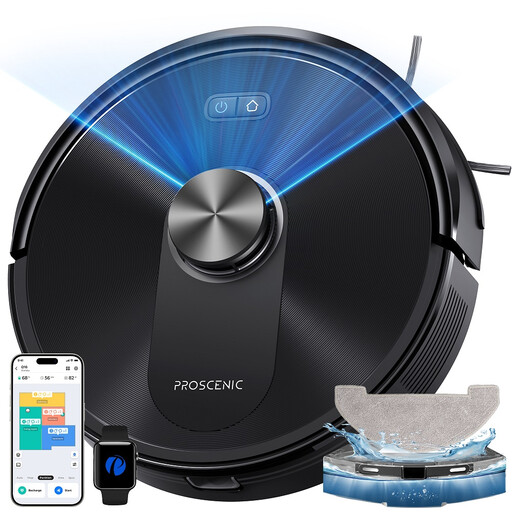
Why It Stands Out: The Proscenic Q1O delivers features often found in more expensive models. Its standout specification is the 8000Pa suction power, which provides a deep clean on both hard floors and carpets. Combined with precise LiDAR laser navigation and a 3-in-1 system that sweeps, vacuums and mops, it offers a comprehensive cleaning solution at an accessible price point.
Pros:
Who is it for? This model is an excellent choice for value-conscious individuals or families who do not want to compromise on core performance features like strong suction and intelligent navigation. It is well-suited for medium to large homes with mixed flooring.
View Deal: Proscenic Q1O - ?119.99 with Free Next-Day Delivery
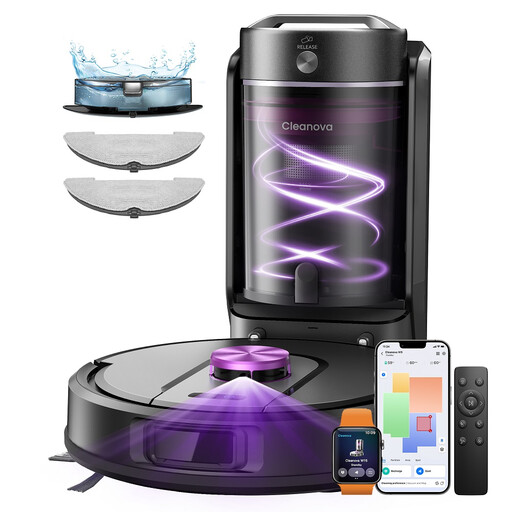
Why It Stands Out: The Vexilar W15 is built for maximum automation and minimal maintenance. Its main attraction is the innovative bagless self-emptying docking station, which uses multi-cyclone technology to empty the robot's dustbin for up to 90 days. This eliminates the recurring cost of disposable bags. With an immense 10000Pa suction power, it is exceptionally effective at tackling deeply embedded dirt and pet hair.
Pros:
Who is it for? This is the ideal robot hoover UK residents with pets or large, busy households will appreciate. It is designed for those who prioritise convenience and want a powerful, low-maintenance "set it and forget it" cleaning system.
View Deal: Vexilar W15 - ?299 with Free Next-Day Delivery
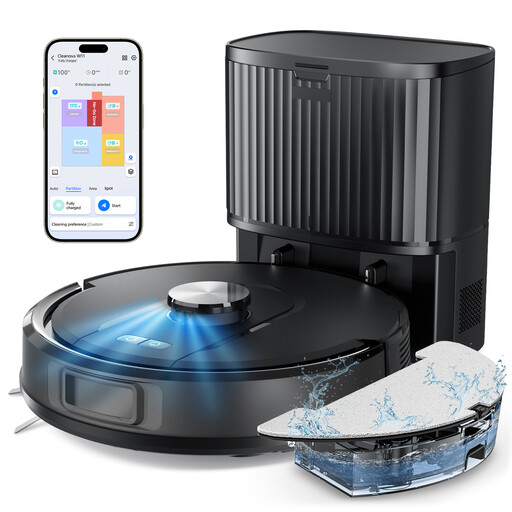
Why It Stands Out: The Vexilar W11 strikes a fantastic balance between advanced automation and affordability. It includes a self-emptying station that holds up to 60 days of debris in a 2L dust bag, bringing hands-free convenience to a more accessible price point. It doesn't skimp on power either, offering a strong 8000Pa suction and precise LDS laser navigation for systematic cleaning.
Pros:
Who is it for? This model is perfect for users who want the convenience of a self-emptying robot without the premium price of a bagless system. It’s a versatile all-rounder for families and pet owners looking for a great value automatic vacuum and mop.
View Deal: Vexilar W11 - ?169.99 with Free Next-Day Delivery
While these models represent excellent choices for different needs and budgets, the world of automated cleaning is vast. If you're interested in exploring a wider range of models, including those with specialised mopping functions or different designs, feel free to browse our full collection.
Explore Our Full Range of Self-Cleaning Floor Cleaners
1. Can a robot vacuum and mop replace my regular vacuum? For daily upkeep, a robot vacuum and mop is highly effective at managing dust, crumbs and surface dirt. It maintains a consistent level of cleanliness with minimal effort. However, for deep cleaning tasks like stairs, upholstery or car interiors, you will likely still find a traditional or handheld vacuum useful.
2. How well do robot vacuums handle pet hair? Modern robotic vacuums are specifically designed to tackle this challenge. A robotic vacuum for pet hair with high suction power (8000Pa or more) and a well-designed brush system can effectively lift fur from carpets and hard floors. Models with self-emptying stations are particularly beneficial for pet owners, as they manage the frequent emptying that pet hair necessitates.
3. Are robot vacuums difficult to set up? Most contemporary smart vacuum cleaners are designed for a straightforward setup process. You typically connect the device to your home's 2.4GHz Wi-Fi network using a smartphone app. The app then guides you through the initial mapping of your home and allows you to easily set cleaning schedules, virtual walls and other preferences. Many also include a remote for immediate, app-free operation.