
24/7 Customer Support

Free returns

Same-day & Next-day Delivery

Quality Guaranteed

Unlock Your Welcome Offers: FREE Delivery | Up to 80% OFF | Free 30-day JoyPlus trial
Download the APP
A robot vacuum cleaner and mop can reduce the amount of daily floor cleaning, but not every model delivers the same level of convenience. Marketing often focuses on large suction figures and smart features while overlooking practical details such as dock size, carpet handling and replacement consumables.
Before choosing a model, watch for these common buying pitfalls:
A high-suction robot vacuum can be useful for collecting crumbs, dust and pet hair, particularly from carpets. However, suction figures should be viewed alongside the brush system and floor type.
For a home with pets, consider an anti-tangle brush, rubber roller or dedicated hair-management system. A large dustbin is also useful if you have several pets or want to run frequent cleaning cycles without emptying the robot.
For carpet and hard-floor homes, look for:
A robot vacuum with LiDAR navigation can scan rooms and create a map for planned routes. This is generally more practical than a random-navigation model for multi-room homes, as it supports room selection, no-go zones and scheduled cleaning.
A robot vacuum with mapping should ideally offer:
Obstacle sensors remain important. LiDAR helps with mapping, but users should still remove cables, small toys and loose rug tassels before a cleaning cycle.
A self-emptying robot vacuum can collect dust into a larger bag or container, reducing contact with debris. Check the stated capacity and whether the dock uses disposable bags or a bagless system.
A more advanced station may also wash and dry the mop, refill water or dispense cleaning solution. These features can reduce daily involvement, but they may increase the dock’s footprint and add more components to clean.
Check the following before purchase:
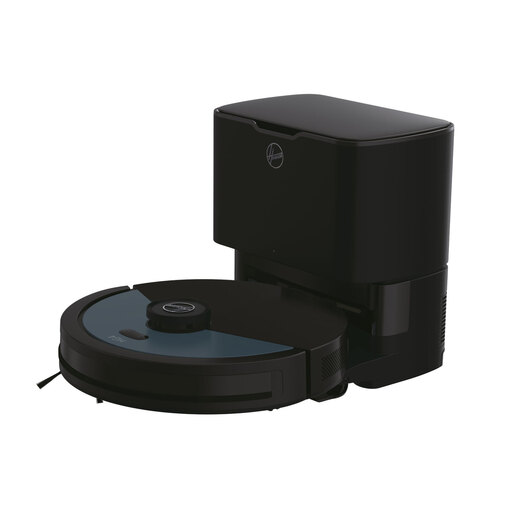
Why This Fits Their Persona: A practical choice for flats and smaller family homes that want vacuuming, mopping, app scheduling and self-emptying without moving to the most complex docking systems.
Laser navigation, customisable maps and no-go zones help avoid inefficient random cleaning. The adjustable water release also gives more control over damp mopping.
Up to 4000Pa suction, laser mapping, obstacle sensors and a self-emptying base rated for up to 60 days of use.
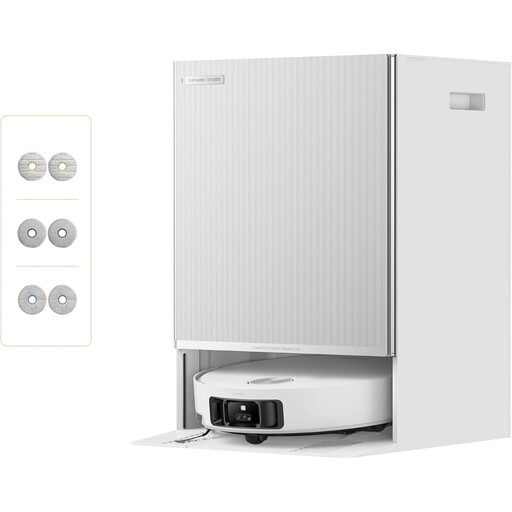
Why This Fits Their Persona: Suited to larger or mixed-surface homes where the owner values automated mop care, multiple floor settings and detailed smart-home control.
Its listed multi-mop switching, carpet detection and mop lift address the common problem of using a wet pad on rugs and manually changing mop types.
30,000Pa stated suction, up to 260 minutes’ runtime, 240-plus object recognition and a dock with mop washing, drying and water refilling.
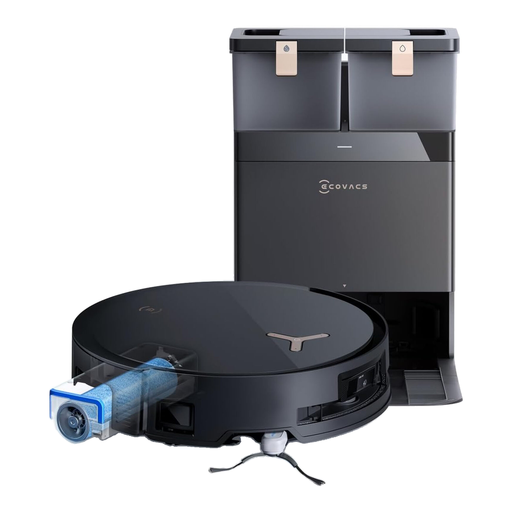
Why This Fits Their Persona: Designed around frequent whole-home cleaning, including homes with pets, carpets, hard floors and households seeking reduced dock maintenance.
The roller mop is described as self-washing, while carpet detection and a 10mm mop lift help separate wet cleaning from carpet vacuuming.
18,000Pa stated suction, ZeroTangle 2.0, automatic dust emptying, mop washing and hot-air drying from its OMNI station.
We have compiled a complete, real-time list of products that fully satisfy these strict selection criteria and UK safety regulations.
Place the charging dock against a wall with clear space around it, following the manufacturer’s recommended clearance. On the first run, remove cables, socks, toys and loose tassels so the smart robot vacuum can map accurately.
For mopping, use only the recommended water or cleaning solution. Do not leave dirty water standing in the tank, and wash or dry mop pads as instructed. Clean the filter, brush roll, sensors and charging contacts regularly. These simple tasks help preserve navigation, suction and battery performance.
Yes, provided the model supports carpet detection, suction adjustment or mop lifting. A basic automatic mop cleaner may still require the pad or water tank to be removed before carpet cleaning.
Lifespan depends on usage, battery condition, maintenance and access to replacement parts. Regularly cleaning brushes and filters, avoiding liquids and following the manual can help protect the appliance. Check the warranty and after-sales arrangements before buying.
App features usually require a compatible Wi-Fi connection, often 2.4 GHz. Models with remote or button controls can still operate without app access, but scheduling, mapping and voice control may be limited.