Households seeking less daily upkeep
If dust and crumbs make frequent runs worthwhile, a self-emptying dock can reduce how often you empty the robot’s small onboard bin. It still needs space and routine attention.


For daily dust, choose around your floor mix and the upkeep you are willing to do: a vacuum-focused robot with a self-emptying dock suits dry-cleaning routines, while a vacuum-and-mop model adds hard-floor mopping if its dock fits and you can manage the water tanks. For rugs or carpets, check the exact model’s mop behaviour; for busy rooms, consider brushes and obstacle handling rather than choosing by a suction figure alone.
If dust and crumbs make frequent runs worthwhile, a self-emptying dock can reduce how often you empty the robot’s small onboard bin. It still needs space and routine attention.
If the cleaning route crosses rugs or carpet, check how the exact vacuum-and-mop model keeps its mop away from those surfaces. Roborock, eufy and iRobot describe different brush or carpet-handling features on the specific models discussed below.
Hair, shoes, cables and toys make brush design and obstacle handling worth checking. Model-specific avoidance features do not remove the need to clear hazards before a scheduled run.
Decide whether the regular job is dry dust pickup or dust pickup plus mopping. That choice determines which dock chores and carpet checks matter most.
Choose when: Dry dust, crumbs and hair are the main jobs, and emptying the robot after frequent runs would be inconvenient.
Accept: Wet-floor cleaning remains separate, and brushes, filters and the dock still need attention.
Choose when: You also want regular light mopping on hard floors and can check the model’s mop response wherever its route meets carpet.
Accept: The dock needs accessible space, while clean- and dirty-water tanks add upkeep.
| Concern | What to check | Who this matters to |
|---|---|---|
| Routine emptying | Check whether the exact model self-empties and what its dock needs for dust collection and replacement parts. | If I plan frequent runs, repeatedly emptying a small bin could make the routine harder to keep up; around 36% of consumers put reducing that intervention first. |
| Mixed floors | Identify the rugs and carpets on the route; if choosing a mop model, check its stated mop lift or removal against their pile and edges. | I need the robot to cross hard floors and carpet without bringing a damp mop onto a rug. That is the primary concern for around 29% of consumers. |
| Hair and clutter | Look at the exact brush design and obstacle controls, then decide which cables and small objects you can clear before runs. | Hair could tangle the brush, while toys or cables could interrupt a scheduled clean; around 21% of consumers would make avoiding those interruptions their first priority. |
| Mopping and dock space | Measure space to open the dock and handle its tanks, not just its footprint; check the water and mop-pad tasks involved. | I want regular hard-floor mopping, but the station must fit somewhere I can use and maintain it. Around 14% of consumers put that combination first. |
A higher quoted Pa figure does not, by itself, establish better everyday dust pickup. iRobot’s UK comparison guidance describes suction as one part of a cleaning system that also depends on factors such as brush action, debris and airflow.
Compare model-specific brushes, floor handling, navigation and dock behaviour alongside the quoted suction figure.
A multifunction station may fit on the floor yet leave too little room to open it or remove its water tanks.
Measure the space needed to operate the exact dock. For the X10 Pro Omni, eufy recommends 850 mm of total vertical clearance for comfortable tank removal; other docks need their own measurements.
Dust collection and mop washing shift chores to the station rather than eliminating them. The eufy X10 Pro Omni uses water tanks and a disposable dust bag, while Roborock lists replacement parts for compatible models.
Check the exact model’s bags, filters, brushes and mop parts, and consider how you will access and replace them.
Replacement parts and, where applicable, cleaning solution add recurring purchases to the ownership routine.
Object-recognition features are model-specific and cannot guarantee that a robot will avoid every cable, toy, spill or low object.
Clear small hazards before scheduled runs, set no-go zones where useful and supervise early runs to spot troublesome furniture, rug edges or thresholds.
The UK-listed Qrevo 2 Pro is a vacuum-and-mop option for mixed-floor routes, with a multifunction dock.
The UK X10 Pro Omni combines vacuuming and mopping with a station for households considering dock-led upkeep.
The cited Roomba vacuum models offer a dry-cleaning route for households that do not want a water-management station.
These Joybuy-listed models combine vacuuming and mopping with dock functions. Compare their stated floor-handling features and the space and upkeep their docks require; a vacuum-focused, dry-cleaning setup remains a separate option for households that do not need mopping.
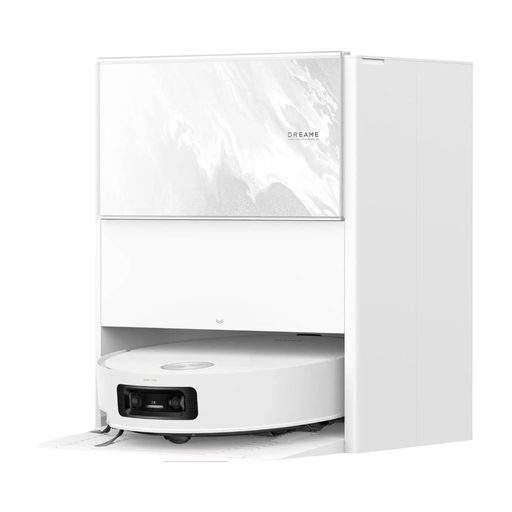 No image available
Consider this vacuum-and-mop model if daily dust pickup and mopping are both part of your routine, subject to checking its fit around your carpets.
Its product title lists a roller mop and 25,000 Pa suction; that figure is not an independent measure of cleaning results.
Check mop clearance at rug edges and leave room to access the dock’s water tanks.
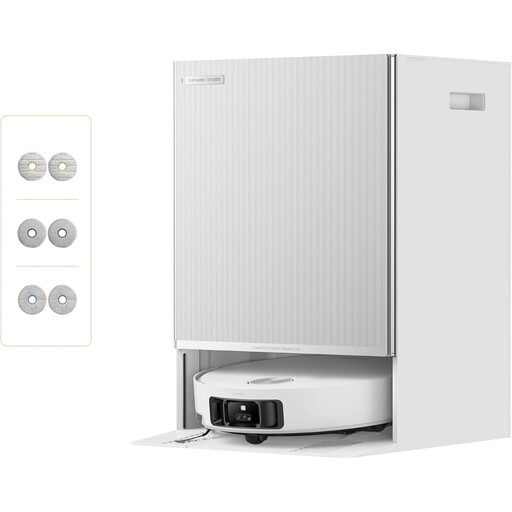 No image available
Consider this model where regular vacuuming and mopping are both wanted and you have space to use and maintain its dock.
The product title lists multi-mop switching, self-emptying, self-refilling and mop self-cleaning, alongside a quoted 30,000 Pa suction figure.
Check the stated mop clearance against your rugs and allow access around the dock for upkeep.
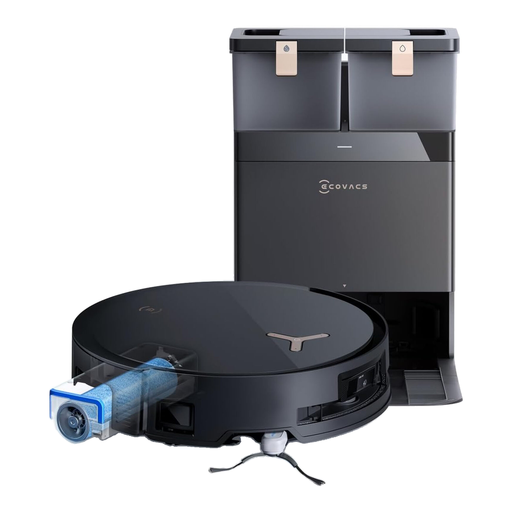 No image available
Consider this vacuum-and-mop model for a routine that includes hard-floor mopping as well as dust pickup, while checking its carpet clearance.
Its product title lists an OZMO ROLLER self-washing mop, ZeroTangle 2.0 and quoted 18,000 Pa suction; the names and figure do not establish cleaning performance.
Measure the proposed dock location and check that its maintenance points will be accessible.
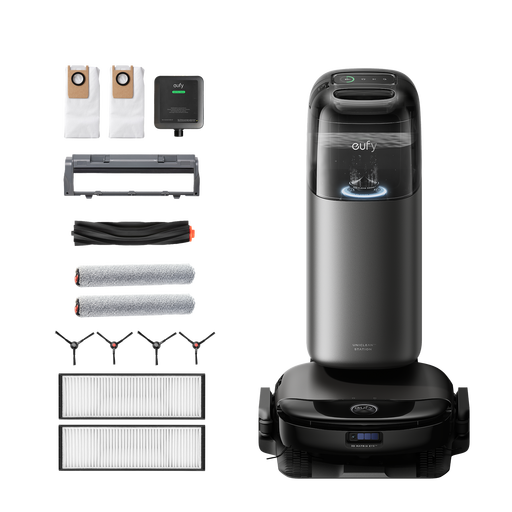 No image available
Consider this vacuum-and-mop model if dock-based mop care would suit your cleaning routine.
The product title lists a lift mop, automatic washing and drying, and automatic dust emptying.
Confirm the exact supplied configuration, the mop’s clearance over your carpets and the space needed to access the dock.
 No image available
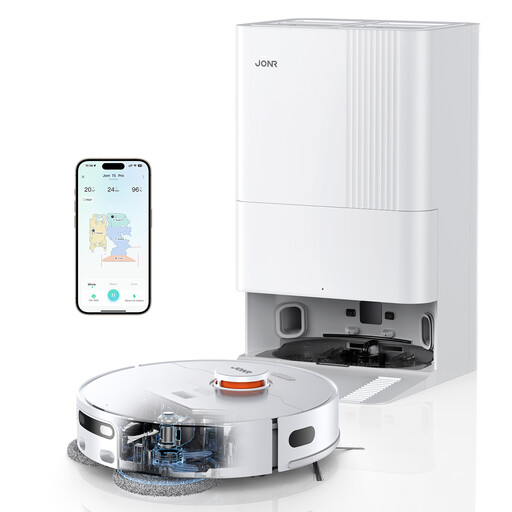
Consider this model if you want dust pickup and a wiping function in the same routine, provided the dock and mop behaviour suit your home.
Its product title lists LiDAR navigation, hot-air drying, an anti-tangle side brush and quoted 8,150 Pa suction. The side-brush description does not establish an anti-tangle main brush.
Check mop clearance over rugs and measure the dock space needed for access and upkeep.
A self-emptying dock is useful if emptying the robot’s bin would make frequent runs inconvenient, but it is not essential to the dust-cleaning task. You will still need to maintain the dock and check for blockages; how often it needs emptying depends on the debris collected.
It can be a suitable mixed-floor choice if the exact model’s mop response works for your carpets and rug edges. eufy specifies a 12 mm mop lift for the X10 Pro Omni, while Roborock describes automatic mop detachment on the Qrevo 2 Pro; neither feature establishes suitability for every carpet.
Allow room to open the dock and remove tanks or other serviceable parts, not just space for its footprint. For the X10 Pro Omni, eufy lists a 365 × 480 × 460 mm station and recommends 850 mm of total vertical clearance for comfortable water-tank removal; check other models against their own dimensions.
Check the marking and supplied electrical equipment for the exact model and the market where you will use it. Department for Business and Trade guidance says CE marking continues to be recognised in relevant cases for products placed on the Great Britain market alongside or in place of UKCA marking; Northern Ireland follows different processes, so check the applicable route there separately.
Use an appropriate electrical-equipment collection or take-back route rather than putting a robot vacuum in general household waste. Department for Environment, Food & Rural Affairs guidance includes battery-powered products within the scope of electrical and electronic equipment; check your council’s or retailer’s local arrangements.