
24/7 Customer Support

Free returns

Same-day & Next-day Delivery

Quality Guaranteed

Unlock Your Welcome Offers: FREE Delivery | Up to 80% OFF | Free 30-day JoyPlus trial
Download the APP
A robot vacuum cleaner with mop can reduce daily cleaning, but the wrong model may create more work than it saves. UK homes often combine carpets, laminate, tile, wood flooring, thresholds and pet hair, so a device that performs well on one surface may be less suitable across the whole house.
Before choosing a robot hoover or robot vacuum and mop, look beyond headline claims. The following buying checks can help you avoid paying for features that do not match your home.
A high Pa figure, such as 8,000Pa or 10,000Pa, describes the manufacturer’s stated suction specification. It does not, on its own, explain how effectively a machine handles corners, thick carpet, hair tangles, brush design or dust filtration.
Also check whether the quoted figure applies to the maximum mode only. Maximum suction may use more battery and produce more noise than standard or ECO settings. For households with pets, look for a suitable roller brush, carpet boost and an accessible dustbin rather than relying on suction alone.
A basic robot vacuum with mop may use a damp static pad, while more advanced models can include rotating pads, mop lifting, automatic washing and drying. These are different levels of convenience.
A static mop can help with light marks and everyday dust on suitable hard floors, but it is not a substitute for removing heavy spills. Buyers should also check water-tank capacity, adjustable water flow and whether the mop can lift before crossing carpet.
A robot may navigate independently, but it still needs regular care. Hair can collect around the roller and side brush, while filters and dustbins need cleaning. Some all-in-one docks wash and dry mop pads, but this does not remove the need to empty tanks, clean sensors and follow the manufacturer’s instructions.
Measure low furniture before buying. A model around 9.7cm high may fit beneath some sofas, but not all. Check thresholds too: a stated clearance of 20mm or 2cm may not cover unusually high door strips or uneven flooring.
A LiDAR robot vacuum uses laser scanning to create a map and plan routes. Look for practical functions such as room selection, no-go zones and multi-floor mapping. These can be more useful than a simple claim about “smart” navigation, particularly in homes with open-plan rooms or several floors.
An app-controlled vacuum should allow you to schedule cleaning, adjust suction and select rooms. If you use a smart-home system, verify whether the model supports your preferred platform, such as Alexa or Google Assistant. Voice control is convenient, but it should be treated as an additional control method rather than a replacement for a well-designed app.
Runtime figures are normally measured under specified conditions, often using a lower suction setting. Compare the stated runtime with your floor area, number of rooms and cleaning frequency.
A self-charging robot vacuum that returns to its dock and resumes cleaning can be useful in larger homes. For example, the Q1O specification lists up to 200 minutes in ECO mode, while the Dreame D9 Max Gen 2 lists up to 285 minutes. These figures should not be interpreted as guaranteed runtime in maximum suction or mopping modes.
For a vacuum cleaner for carpets and hard floors, check:
For hard floors, use the water-flow setting recommended for the flooring type. Follow the manufacturer’s guidance for wood, laminate and cleaning solutions.
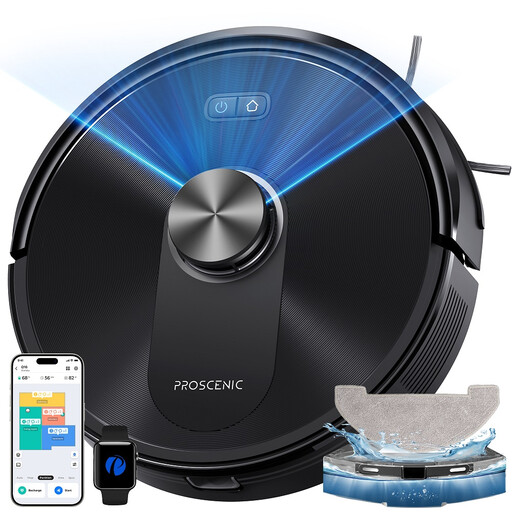
Why This Fits Their Persona: Its combination of vacuuming, mopping, mapping and several control options suits renters and smaller households wanting automated daily cleaning without moving straight to a multifunction dock.
The specification identifies separate sweep-only, mop-only and combined modes, plus adjustable water flow. Its LiDAR mapping includes custom zones and no-go areas.
Up to 200 minutes in ECO mode, 8000Pa stated suction, 2cm climbing height and control through app, remote, voice assistants and Apple Watch.
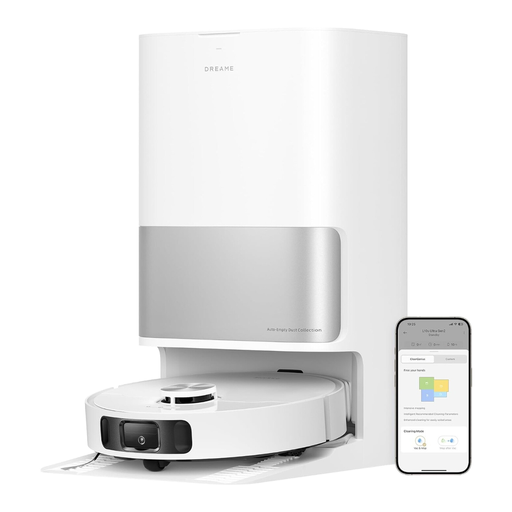
Why This Fits Their Persona: This model is aimed at busy homeowners who prioritise reduced manual maintenance across carpets and hard floors.
Its specification clearly lists automatic mop washing and drying, self-emptying and water refilling, rather than offering mopping alone.
10,000Pa stated suction, LiDAR obstacle avoidance, rotary mops, 20mm obstacle clearance and a multifunctional dock.
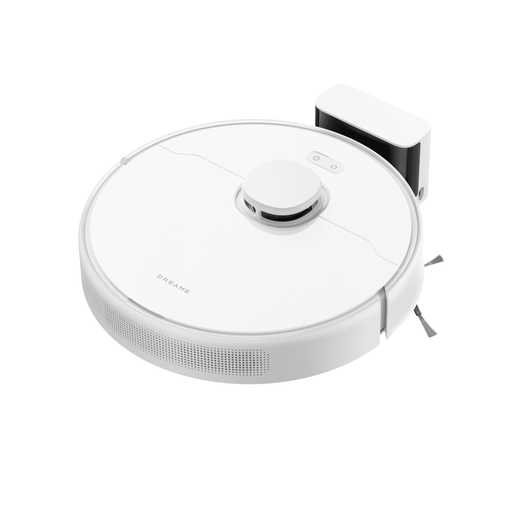
Why This Fits Their Persona: Its long stated runtime and rubber floating brush make it a practical match for larger homes, mixed flooring and regular pet hair.
The model specifies carpet suction boost, four suction levels and three water-flow levels, making settings clearer across different surfaces.
Up to 285 minutes, 570ml dustbin, LDS laser navigation, multi-floor mapping and a stated 20mm obstacle clearance.
Yes. A robot vacuum and mop is designed for routine floor cleaning, but a manual tool remains useful for stairs, edges, outdoor areas, spills and places the robot cannot reach.
For indoor hard floors, an angled-head broom can collect larger debris before a robot runs. For patios, driveways and paths, choose an outdoor broom with stiff bristles and a wide head. A flat mop and bucket set can handle heavier marks and lets you control water use on delicate floors.
When comparing accessories, consider head width, handle storage, bristle stiffness and whether the materials suit the intended surface. These simple tools also provide a fallback when the robot is charging or undergoing maintenance.
We have compiled a complete, real-time list of products that fully satisfy these strict selection criteria and UK safety regulations.
It can be, provided the model supports carpet cleaning and offers a way to prevent the mop from dampening carpet. Check for carpet boost, mop lifting or separate vacuum-only modes. Always review the floor-care guidance for rugs and delicate materials.
Expect to empty or check the dustbin, remove hair from brushes, clean filters and wash or replace mop pads regularly. Models with automatic mop washing, drying, dust emptying and water refilling can reduce daily intervention, but their dock tanks and components still require cleaning.
Running cost depends on cleaning frequency, suction mode, charging time and household electricity rates. Lower modes generally use less power, while maximum suction and frequent mopping may increase consumption. A scheduled clean and automatic charging system can help avoid unnecessary operation.