Households with frequent shedding
If fur returns between manual cleans, look at how the main brush handles hair and how easily you can clear it. An anti-tangle design can reduce interruptions, but it does not eliminate brush checks.


For regular pet-hair collection in a family home, start with a brush designed to limit tangles and a bin-emptying routine that suits how much your pets shed. Add mopping and a multifunction dock if you also need frequent cleaning of marks on hard floors, but use damp cleaning only where the flooring manufacturer permits it; a vacuum-focused robot avoids that concern on moisture-sensitive floors.
If fur returns between manual cleans, look at how the main brush handles hair and how easily you can clear it. An anti-tangle design can reduce interruptions, but it does not eliminate brush checks.
A combined vacuum-and-mop routine may suit sealed hard floors that the flooring manufacturer approves for damp cleaning. Keep mopping away from finishes or joints that should remain dry, in line with iRobot’s floor-care guidance.
A self-emptying or mop-care dock can reduce hands-on tasks between cleans. Check that you have space for the station and are comfortable handling its bags, water tanks and cleaning tasks.
Decide whether the job is dry fur collection or a combined vacuum-and-mop routine before choosing a dock. For mopping, confirm the floor finish first; then compare brush maintenance, emptying and navigation against the way your family uses each room.
Consider it when: fur, crumbs and marks call for regular cleaning on floors approved for damp mopping.
Allow for: dock space, clean-water refills, wastewater handling and consumable replacement.
Consider it when: dry pet hair is the main problem or the floor should not be damp-mopped.
Allow for: separate wet cleaning where appropriate, plus brush and bin maintenance even if the robot has a self-emptying dock.
| Concern | What to check | Who this matters to |
|---|---|---|
| Hair around the brush | Check which brush has an anti-tangle design and whether you can reach it to remove trapped hair. | When shedding is frequent, I want scheduled cleans without repeatedly stopping to clear the brush; around 36% of consumers would put this need first. |
| Hard-floor mopping | Confirm that the floor finish permits damp cleaning, then compare the mop system and controls for areas that must stay dry. | If paw marks and crumbs accompany the fur, I want one routine that also wipes suitable sealed floors; for around 29% of consumers, that combined cleaning is the priority. |
| Emptying and mop care | Compare what the dock actually automates and the space, water handling and consumables it requires. | With regular cleaning, I would rather spend less time emptying the bin or tending the mop; this is the main concern for around 21% of consumers. |
| Family-floor obstacles | Check the model’s navigation and supported room controls, while planning to clear cables and small items before a run. | In rooms where toys and pet items move about, I want fewer interrupted cleans; around 14% of consumers would prioritise navigating that clutter. |
Manufacturers’ rated suction figures do not establish which of two robots will collect more fur in your rooms. Brush design, floor layout and how the robot manages collected hair also affect the routine.
Consider the suction rating alongside the brush design, access for cleaning and independent testing with clearly stated conditions.
iRobot advises against using its robot to clean unsealed hard floors. Moisture reaching bare wood or unsealed joints can damage the floor or subfloor.
Check the flooring manufacturer’s care instructions before using mop mode. Keep areas unsuitable for damp cleaning on a vacuum-only routine.
Automatic emptying and mop care reduce some handling, but the dock and robot still need cleaning and replacement consumables.
Check which compatible bags, filters, brushes and mop parts the model uses, and decide where you will refill clean water and empty wastewater.
A larger station also needs a suitable place to stand and access for routine tank and dock care.
Obstacle detection varies by model and conditions; cables, toys and pet items can still interrupt a scheduled clean or leave areas untouched.
Clear small hazards before a run. Where the model supports them, use room boundaries or no-go zones around areas that need different handling.
These product lines illustrate different combinations of fur handling, mopping and dock functions. Check the exact model rather than assuming a feature applies across a brand.
The Qrevo S5V is a vacuum-and-mop option with a multifunction dock for households cleaning fur and suitable hard floors.
The Omni C28 takes a combined vacuum-and-mop approach for families that also want regular hard-floor washing.
The Max 705 line offers a vacuum-focused route alongside a separate Combo model with mopping functions.
These robots offer different ways to tackle pet hair on hard floors, from brush-focused cleaning to models with mopping or dock functions. For any damp-cleaning routine, check the floor manufacturer’s instructions first; compare the exact brush and maintenance arrangements before choosing.
 No image available
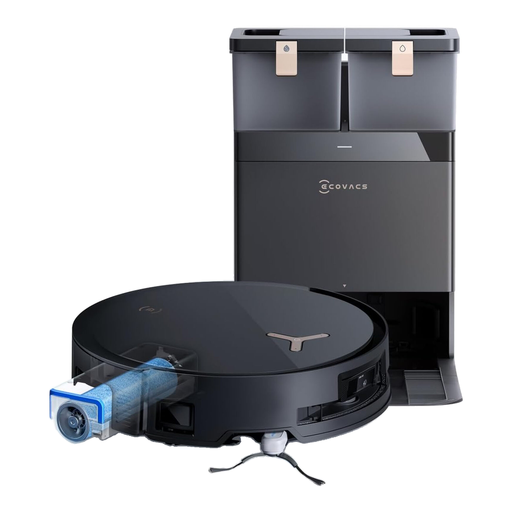
Consider this vacuum-and-mop model if frequent shedding and suitable hard-floor mopping are both part of your routine. Its listed features include ZeroTangle 2.0, an OZMO ROLLER self-washing mop and an 18,000 Pa suction rating; PCMag UK reports that this model vacuumed pet hair without tangles in its testing. Check that your floor finish permits damp cleaning, and allow space and upkeep for the dock.
 No image available
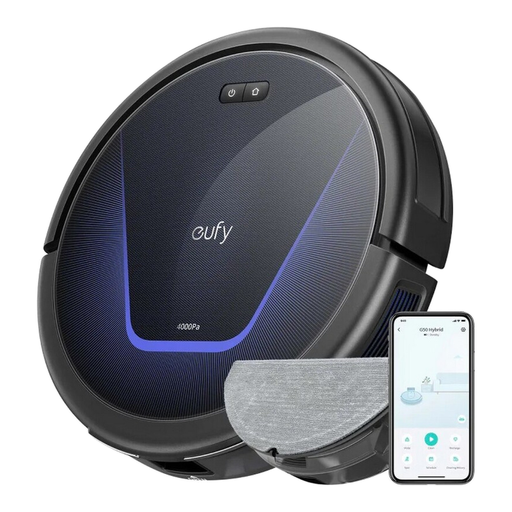
Consider this model for recurring fur collection if you want an anti-tangle design and ToF laser navigation. Its title specifies 6,000 Pa suction and app and Alexa control. If you intend to mop, confirm the exact model’s cleaning functions and your floor’s suitability; clear smaller household items rather than relying on obstacle avoidance to detect them.
 No image available
This model combines a Pro-Detangle Comb with vacuuming and wiping for households that want to address fur and marks in one routine. The title specifies 4,000 Pa suction and dynamic navigation. Use the mop only on a floor approved for damp cleaning, and plan to clean the mop module after use.
 No image available
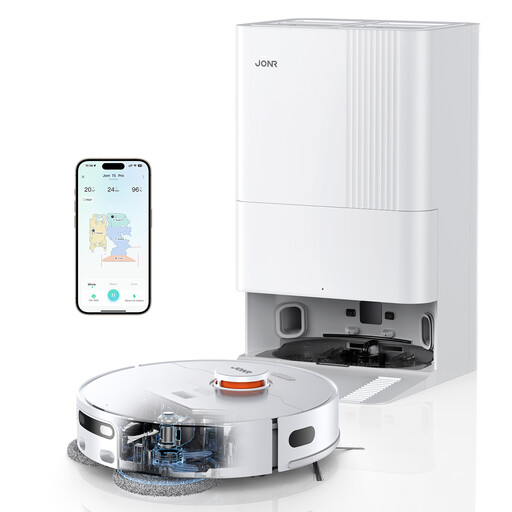
Consider this vacuum-and-wipe model if dock-led dust emptying and mop care would reduce routine handling. Its title specifies LiDAR navigation, hot-air drying, an 8,150 Pa suction rating and an anti-tangle side brush. If long hair wrapping around the main brush is your chief concern, check that brush separately; confirm floor-finish suitability before mopping.
 No image available
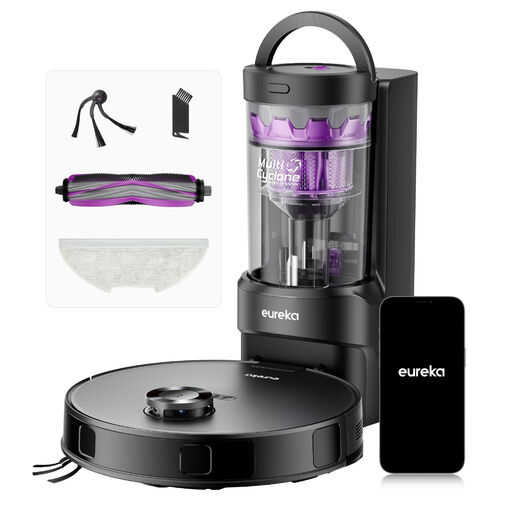
Consider this model if an anti-tangle brush roll and mapped, scheduled dry cleaning address your main pet-hair needs. Its title specifies LDS navigation and a 10,000 Pa suction rating. If mopping or automatic dust emptying is essential, confirm the exact components and dock functions for this variant before choosing it.
No: check the flooring manufacturer’s instructions and the condition of the finish before damp cleaning. iRobot lists sealed laminate and sealed hardwood as suitable examples for its robots but advises against cleaning unsealed hard floors, worn finishes, bare wood or separated, unsealed joints with a robot mop.
No. Compatible docks can take over tasks such as dust emptying or mop washing, but you still need to clean the system and manage its consumables. For example, Roborock lists replacement bags, filters, brushes and mop cloths for the Qrevo S5V.
Check the exact model’s setup requirements if offline use matters to you. iRobot says the Roomba Max 705 line requires the Roomba Home app and a Wi-Fi connection before initial use; requirements for other models may differ.
Do not put an electrical product bearing the crossed-out wheelie-bin symbol in household rubbish. GOV.UK advises taking electrical products to an appropriate recycling collection point or household waste recycling centre.