Pet-owning housemates
If hair gathers in shared rooms and along walls, look for a brush design intended to resist tangles and a cleaning schedule that covers those areas regularly.


For recurring pet hair on shared hard floors, start with an anti-tangle brush design and a robot that can cover the rooms you need, rather than choosing by a suction figure alone. A vacuum-and-mop station makes more sense when the household also wants regular wet cleaning and can share responsibility for water, wastewater and mop care; a simpler vacuum-first routine suits dry hair collection.
If hair gathers in shared rooms and along walls, look for a brush design intended to resist tangles and a cleaning schedule that covers those areas regularly.
A station that empties dust or cares for mops may change the daily routine, but someone still needs to maintain the station and its supplies.
Where cables, shoes, socks or pet items are often left in shared rooms, check the exact robot’s obstacle-handling claims as well as its room-cleaning controls.
Choose when: Collecting dry pet hair is the main job and the household does not want to maintain a wet-cleaning station.
Trade-off: Plan for more hands-on dustbin and brush care.
Choose when: Shared hard floors also need frequent wet cleaning and housemates can divide the station’s upkeep.
Trade-off: The dock needs space, water and wastewater attention, and consumables.
| Concern | What to check | Who this matters to |
|---|---|---|
| Hair and brush care | Check which brushes the exact model describes as anti-tangle and whether replacements are available. | If I am collecting pet hair repeatedly, I want to spend less time clearing it from the brushes. Around 37% of consumers would put that need first. |
| Shared chores | Check whether the dock empties dust and what water, mop and bag care remains. | When cleaning is shared, I want a routine that does not leave one person with an unexpected station chore. For around 27% of consumers, reducing that work is the primary concern. |
| Room coverage | Check room controls, stated obstacle recognition and the home’s thresholds and furniture clearance. | With items left on shared floors, I need the robot to complete the intended rooms without frequent interruptions. That is the first priority for around 27% of consumers. |
| Wet cleaning | Check whether mopping is needed and how the model handles rugs and mop maintenance. | If paw marks or kitchen splashes recur, I want wet cleaning as well as loose-hair collection. Around 9% of consumers would make that their main deciding need. |
A stated Pa figure does not tell you whether hair will wrap around a brush or whether a robot can finish its route. Figures from different brands are not, by themselves, a like-for-like cleaning comparison.
Compare the exact model’s brush design, room coverage and obstacle handling alongside its suction claim.
Automatic dust emptying or mop washing can reduce some routine work, but a station still needs household attention.
Check where the dock will fit and agree who will refill water, empty wastewater and care for the mops.
Allow for ongoing wastewater handling and replacement supplies such as bags, filters or mop pads where the model uses them.
Recognition claims apply to the objects and conditions stated for a particular model, not every cable, pet item or room layout.
Check the model’s documented recognition list, remove hazards it does not clearly cover and supervise initial runs.
Relevant if you are considering a vacuum-and-mop robot with brush-tangle features and carpet-aware mop handling.
Relevant if dust emptying and mop care are part of the shared-house cleaning plan.
Relevant when comparing vacuum-first brush designs with model-specific obstacle handling or docked mop options.
These robot vacuums offer different ways to address pet hair on shared hard floors, from a simpler dustbin-emptying routine to vacuum-and-mop models. Compare the exact model and included equipment against the chores your household is willing to take on.
 No image available
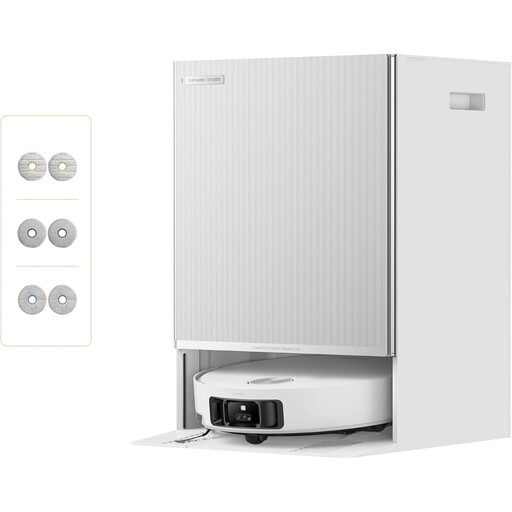
Consider this model if shared hard floors need mopping as well as pet-hair collection, and someone can take responsibility for dock care.
The product title lists multi-mop switching, self-emptying, refilling and mop self-cleaning. Its stated suction is 30,000 Pa; that figure alone does not establish pet-hair pickup or performance against other models.
Check the space and supplies the dock needs, and do not assume its stated obstacle avoidance covers every item left on the floor.
 No image available
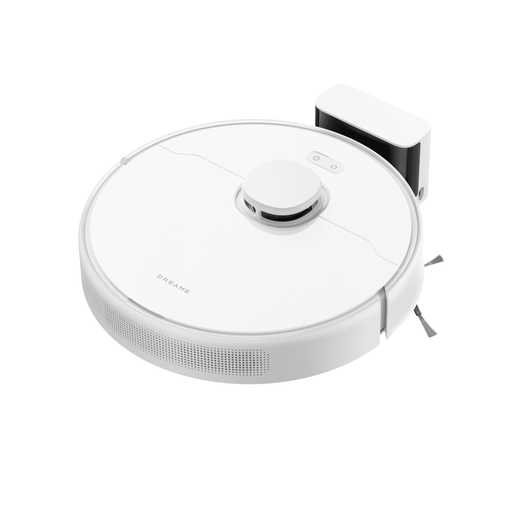
This is an option for planned cleaning across shared rooms when housemates are willing to empty the robot’s dustbin.
The product title specifies LDS navigation, a 570 ml dust box and static mops. The listing states that automatic dust emptying is not supported.
Check how the brush handles hair in your intended routine and whether the model’s room controls suit the house.
 No image available
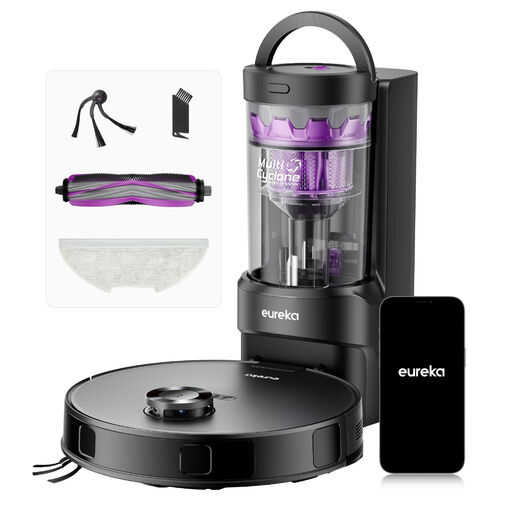
Consider this model where pet hair and scheduled hard-floor cleaning matter, but check its brush and dock arrangements against the household’s upkeep plans.
The product title lists an anti-tangle brush, LDS navigation, smart mapping and a mop. It states 10,000 Pa suction without establishing a like-for-like cleaning result against other robots.
Confirm what equipment is included, how dust is emptied and which brush the anti-tangle claim covers.
 No image available
This model is relevant to households assessing anti-tangle cleaning and navigation around shared-floor clutter.
The product title lists ToF laser navigation, obstacle avoidance, an anti-tangle design and app or Alexa control.
Check which brushes the anti-tangle description covers, what objects the robot is stated to avoid and how its dustbin is emptied.
 No image available
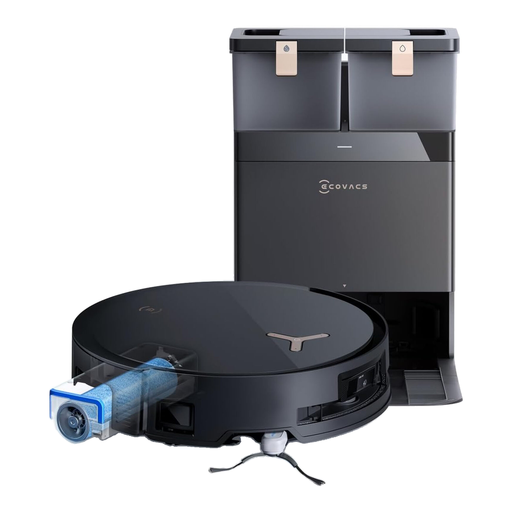
Consider this model if shared floors need both hair collection and wet cleaning, with an agreed routine for station maintenance.
The product title lists ZeroTangle 2.0 and an OZMO ROLLER self-washing mop. Its stated 18.000 Pa suction is not a direct cross-brand cleaning comparison.
Allow space for the station and check its mop-care supplies. Anti-tangle and obstacle-handling claims do not guarantee results for every hair type or object.
No: if loose hair is the recurring problem, focus first on brush care and coverage of the rooms you want cleaned. A mop becomes more relevant when paw marks or shared-area spills also need attention and housemates will maintain the wet-cleaning equipment.
Not automatically. Check the exact model’s stated recognition list: iRobot, for example, says the Roomba j7 recognises objects including cords and pet waste, but that does not establish recognition of every item in a shared room.
Agree who will refill clean water, empty wastewater, replace supplies and keep the dock accessible. Automated dust emptying or mop care changes those chores rather than eliminating them.
For an online purchase from a business seller, Citizens Advice says a 14-day cooling-off period normally applies, subject to exceptions. Check how to notify the seller and the applicable return conditions; a seller’s voluntary return policy is separate from those rights and from remedies for faulty goods.