Households cleaning the entrance frequently
A robot can collect routine grit, crumbs, dust and hair from a mostly clear hallway between deeper cleans. Check that its cleaning system suits the hallway floor and any adjoining mat or carpet.


For a mostly clear hallway, look for a robot that can follow the route and cross your measured doorway transitions; a suction figure alone cannot tell you whether it will finish the clean. If shoes or cables regularly obstruct the floor, check the exact model’s obstacle-detection features. Consider a self-emptying dock only if you have a suitable place for it and are willing to maintain it.
A robot can collect routine grit, crumbs, dust and hair from a mostly clear hallway between deeper cleans. Check that its cleaning system suits the hallway floor and any adjoining mat or carpet.
Raised door bars, carpet edges and changes in flooring make route access a deciding factor. Measure each crossing rather than relying on a general claim that a robot climbs thresholds.
Shoes, cables, pet items and hair can interrupt a scheduled clean or add to brush and bin upkeep. Object detection and a self-emptying dock address different parts of that workload; neither removes the need to clear hazards and maintain the robot.
Start with the route the robot must travel, then consider what is usually left on the floor and how much emptying and maintenance you can accommodate.
| Concern | What to check | Who this matters to |
|---|---|---|
| Everyday debris | Check the brush system, bin size and suitability for your hard floor, mat or adjoining carpet. Do not treat suction figures from different brands as directly comparable cleaning results. | If dirt and crumbs gather between full cleans, frequent dry pick-up matters more to me than extra dock features. Around 36% of consumers put routine debris collection first. |
| Thresholds and floor changes | Measure the highest crossing and compare its height and shape with the exact model’s stated climbing limit. | When a door bar or carpet edge blocks the way, I need the robot to reach the whole route. For around 29% of consumers, crossing those transitions is the primary concern. |
| Clutter and edges | Look for model-specific object detection and edge-cleaning hardware; mapping alone does not establish either capability. | With shoes or pet items often near the entrance, I want fewer interruptions while still cleaning along the walls. Around 21% of consumers prioritise clutter and edge coverage. |
| Emptying and upkeep | Check bin access, brush-care instructions and, if considering a dock, its placement clearances and consumables. | If frequent bin emptying would stop me running the robot regularly, reducing that task matters most. That is the primary need for around 14% of consumers. |
A stated maximum climbing height applies to a particular model, not to every robot or every threshold shape. A sharp lip, loose mat or carpet-covered edge can still prevent the robot from completing its route.
Measure each transition and consult the exact model’s guidance for the relevant surface. If you can try the robot at home, check both the outward and return crossing.
A narrow or obstructed entrance can make docking difficult. Self-emptying also shifts some work from the robot’s bin to the dock rather than eliminating upkeep.
Choose a level, open location before buying. Check the dock’s own clearance instructions and whether its system needs bags or cleaning of the emptying path.
Detection capabilities differ by model, and clutter can still interrupt a clean or leave parts of the floor unreached.
Check which objects the exact model is designed to detect, then remove loose cords, small hazards and items that could damage the robot or be damaged by it.
Accumulated hair and debris can interfere with brush movement, particularly where the hallway is cleaned frequently.
Check the model’s cleaning instructions and the availability of compatible brushes, filters and any dock consumables before choosing it.
The Clean L60 is a model-specific reference for buyers considering mapping and doorway access.
Roomba models and docks are relevant when routine dry cleaning, hair on brushes and bin emptying influence the choice.
DEEBOT models offer different combinations of object detection, edge cleaning, mopping and docking features.
These robot vacuums offer different combinations of navigation, stated obstacle or threshold handling, and emptying arrangements for a hallway. Compare each model with your floor transitions, usual clutter and available dock space.
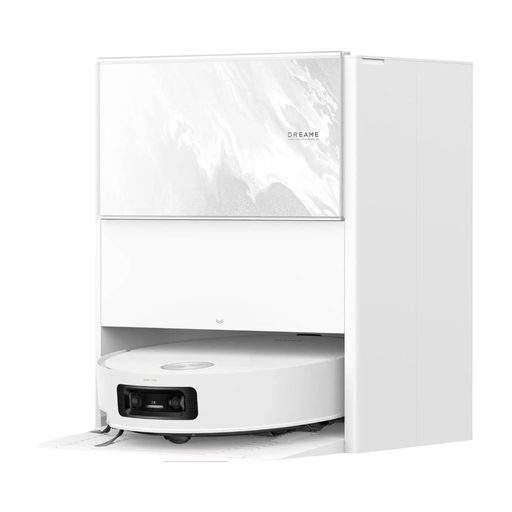 No image available
Consider this model if obstacle handling and a mopping function matter in your hallway. Its title lists a roller mop, 25.000Pa stated suction and 6cm obstacle clearing. Compare any doorway crossing with the model’s guidance, and check that its station fits your planned location.
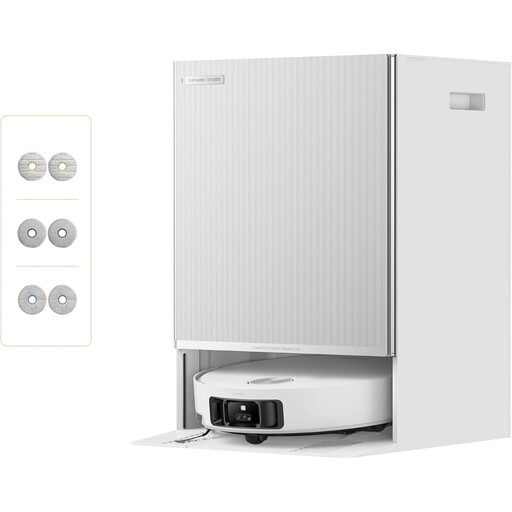 No image available
Consider this model if objects are often left in the hallway and you have room for a self-emptying station. Its title lists Multi-Mop Switching, 30,000Pa stated suction and 8cm obstacle clearing. Check which stated clearance applies to your particular doorway step and allow for the station’s placement requirements.
 No image available
This is a model to examine for a relatively clear hallway with a measured, modest transition. Its title lists TrueMapping navigation, 8,000 Pa stated suction and threshold climbing of up to 20 mm. Check how the stated limit applies to your threshold’s shape and surface; assess object detection separately if clutter is common.
 No image available
Consider this model if navigation around larger hallway objects is important. Its title lists ToF laser navigation, obstacle avoidance, an anti-tangle design and 6000Pa stated suction. Check its object-detection conditions for smaller items and its suitability for any raised doorway transitions.
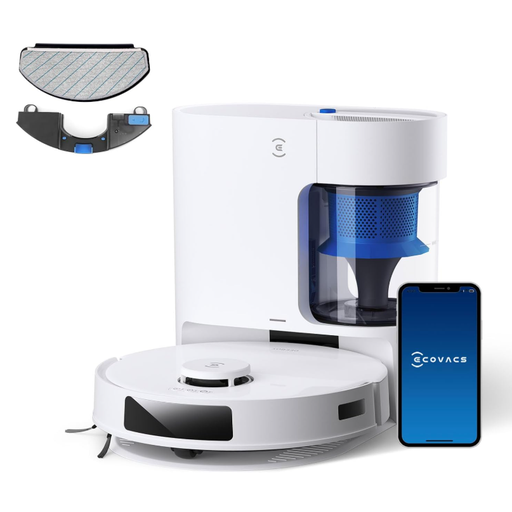 No image available
Consider this model if reducing manual bin emptying matters and a station can fit near the cleaning route. Its title lists an 8,000Pa suction rating, LDS navigation, a mop and a bagless PureCyclone self-empty station. Check dock-placement guidance and the model’s threshold and object-handling details against your hallway.
Measure every doorway bar and carpet edge on the route, then compare the tallest crossing with the exact model’s published limit and surface guidance. For instance, eufy states climbing of up to 20 mm for the Clean L60, but the shape and covering of your threshold still matter.
Choose a level, open spot with room for the robot to approach and leave the dock. iRobot’s Home Base guidance calls for more than 1.2 m of open space in front; follow the placement instructions for the particular dock you choose.
Yes. Hair and debris still need removing from the brushes, and the dock needs the care specified for its design. iRobot recommends cleaning Roomba main brushes once a week, or twice a week in homes with pets; follow your own model’s schedule.
Use an appropriate waste electrical and electronic equipment collection route rather than ordinary household waste. GOV.UK explains that household electrical waste is collected for treatment, reuse and recycling through designated facilities and related arrangements; check your local authority or retailer for an available route.