What to assess before choosing
Choose a route around the skill to be practised and the support your team can provide. A programmable robot, research partnership and facilitated simulation are different ways to deliver training, not interchangeable proof of physical-assessment capability.
Programmable humanoid or social robot
Consider when: the aim is scripted conversation, interaction or staff familiarity with robotics, and the team can design and supervise scenarios.
Trade-off: configuration and programming tools do not demonstrate occupational-therapy training outcomes or human-like physical-assessment responses.
Research-partnership access
Consider when: the objective is to develop and evaluate a simulation for touch, movement or physical and seated assessments.
Trade-off: Oxfordshire County Council’s example demonstrates a research partnership in England, not a transferable programme or an established commercial product.
Specialist training robot
Consider when: a supplier can demonstrate the exact assessment scenario, required physical responses and repeatable scenario controls.
Trade-off: confirm the offered product and its capabilities against your training objective rather than treating a specialist label as evidence of suitability.
Facilitated simulation and evaluation
Consider when: your team needs help with scenario design, structured observation or debriefing.
Trade-off: facilitation may provide a delivery route, but a general simulation framework does not establish that a particular robot-enabled service is available or improves outcomes.
| Concern |
What to check when buying |
Who this matters to |
| Physical-assessment fidelity |
Ask for a supervised demonstration of the exact seated or physical assessment and the responses trainees must recognise. |
If I am teaching touch, movement or seated assessment, I need to see the intended response reproduced before choosing. Around 33% of consumers put physical-assessment fidelity first. |
| Programmable interaction |
Have staff build and repeat a representative scenario; check whether dialogue or behaviour can be changed using the offered version. |
When I need repeatable conversation or interaction exercises, I want educators to adapt the scenario to the learning objective. Around 27% of consumers prioritise programmable interaction and repeatability. |
| Participant comfort and information governance |
Decide who participates, what is recorded, why it is needed and who can access it. |
If a sensitive care scenario involves participants or identifiable information, I need to consider comfort and responsible handling before enabling recordings. Around 20% of consumers make governance and participant comfort their primary concern. |
| Staff capacity and delivery |
Test a complete session, including setup, a scenario change and debrief; confirm what support is included. |
Where educator and technical time is limited, I need a delivery plan that staff can sustain, including scenario preparation and supervision. Around 20% of consumers prioritise staff capability and training delivery. |
Joybuy product options
These Joybuy options are humanoid and development platforms to consider when exploring programmable robot scenarios; their listings do not establish suitability for occupational-therapy physical-assessment training.
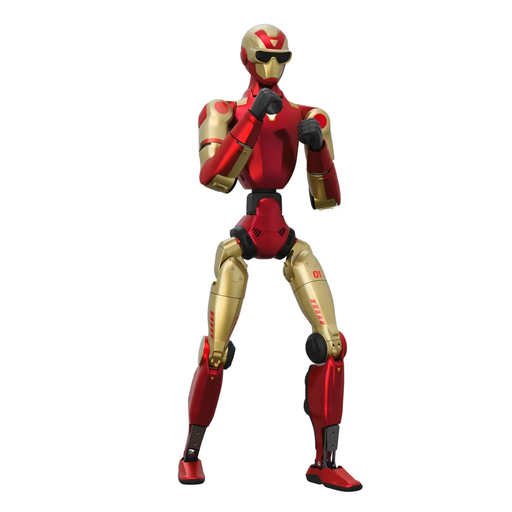 No image available
Unitree R1 EDU Humanoid Robot, Developer Version with Open SDK & ROS2
The listed developer version may be considered by teams exploring adaptable robot scenarios, but its title does not establish suitability for OT assessment practice.
The product name specifies an open SDK and ROS2.
Joybuy
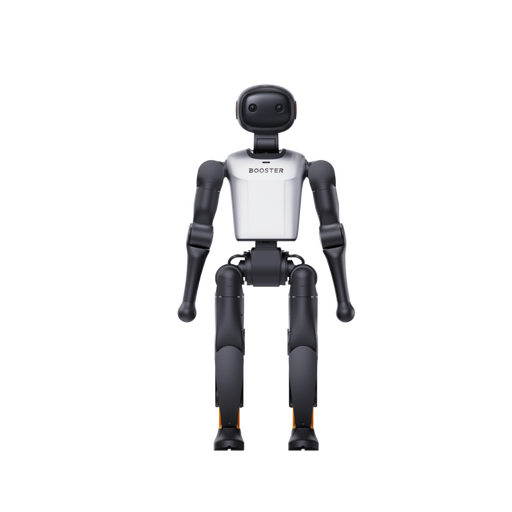 No image available
Booster Robotics K1 Geek Humanoid Robot, 48 TOPS AI, 22-DoF
This listing identifies a humanoid development platform to consider only if its demonstrated behaviour matches the scenario your team intends to teach.
The product name specifies 48 TOPS AI and 22-DoF.
Joybuy
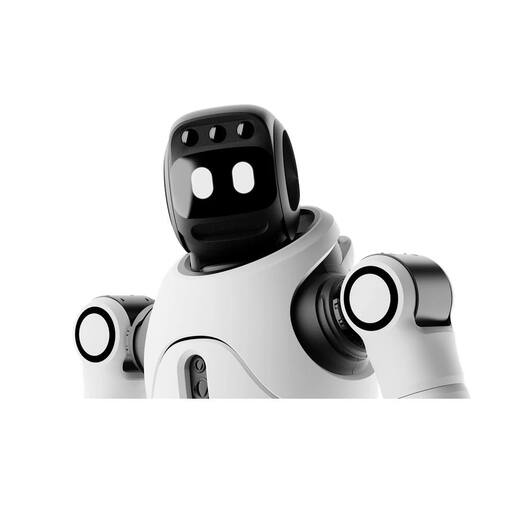 No image available
AGIBOT X2 Ultra Humanoid Robot, Full Secondary Development
The listed development and motion-control features may be relevant to teams exploring robot scenarios, but do not establish performance in occupational-therapy assessment training.
The product name specifies autonomous navigation, obstacle avoidance and motion control. The listing warns of powerful moving joints and collision risk; it calls for supervision and keeping people clear during operation.
Joybuy
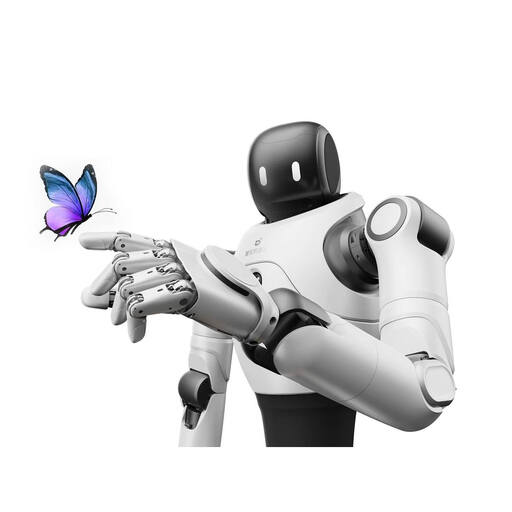 No image available
AGIBOT X2 Humanoid Robot, Intelligent Interaction and Motion Control
This listing describes a humanoid robot for interaction and movement scenarios; ask for a demonstration of the specific training task before treating it as a candidate for assessment practice.
The listing warns that the robot can generate significant force and speed, and calls for adult supervision and sufficient operating space.
Joybuy
 No image available
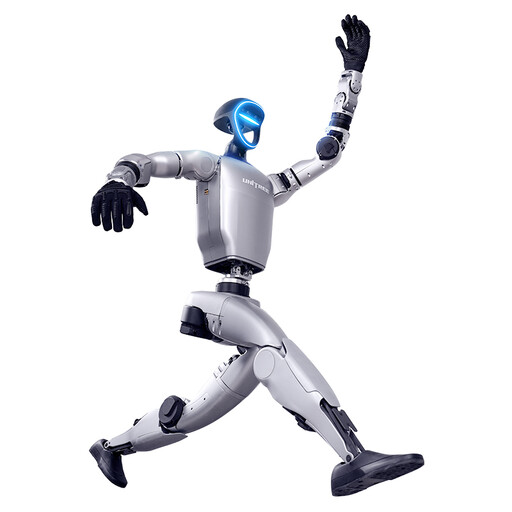
Unitree G1 Humanoid Robot, Force-Controlled Dexterous Hands
The listed hand features may be relevant to teams exploring object-manipulation demonstrations, but do not establish suitability for OT assessment training.
The product title states that SDK/API access is not available for this version, which limits code-based scenario development.
Joybuy
Frequently asked questions
Can an off-the-shelf social robot teach seated or touch-based OT assessments?
The commercial examples discussed here do not establish that they can. Oxfordshire County Council described a research partnership for physical and seated assessment practice, while the cited product information documents movement or social interaction rather than equivalent assessment responses. Ask for a demonstration against the specific learning objective.
How should we set up and evaluate an initial session?
Define the assessment or communication skill, run a supervised representative scenario, and plan observation and debriefing. The Association for Simulated Practice in Healthcare’s standards provide a framework across simulation modalities, not a guarantee that a particular robot improves occupational-therapy performance.
What should we establish about costs and after-sales support?
Ask for a written quotation for the exact model or edition and confirm what training, software, maintenance and support are included. Robot Centre describes purchase, hire and support routes for NAO; confirm the terms that would apply to your team.
Does UK data-protection law require consent for every robot simulation?
The use of a robot alone does not answer that question; assess what information the session processes and how it is used. The Information Commissioner’s Office says identifiable health information requires an Article 6 lawful basis and a separate Article 9 condition, and a data protection impact assessment is required when processing is likely to be high risk. Health and Care Professions Council guidance addresses permission to use or disclose a service user’s confidential information for purposes unrelated to their care, subject to the applicable exceptions.
Can a robot replace an occupational therapist’s assessment or professional judgement?
No. The robot is a training and simulation tool, not a clinical assessment or a basis for decisions about a resident. The Health and Care Professions Council requires occupational therapists to practise safely and effectively within their scope of practice.


