
24/7 Customer Support

Free returns

Same-day & Next-day Delivery

Quality Guaranteed

Unlock Your Welcome Offers: FREE Delivery | Up to 80% OFF | Free 30-day JoyPlus trial
Download the APP
A robot vacuum cleaner with mop can reduce the amount of daily floor care needed, but the feature list does not always tell the full story. Suction figures, mapping systems and “hands-free” docks can sound impressive while leaving practical questions unanswered: Will it cope with pet hair? Can it cross the threshold between rooms? How much cleaning does the dock still require?
Before buying, focus on the details that affect everyday use rather than relying on headline claims.
A high suction figure may help with loose dust, hair and debris, but it does not automatically indicate effective mopping or better performance on every carpet. Brush design, airflow, floor clearance and cleaning modes also matter.
For example, a high suction robot vacuum may be useful in a home with pets or thicker carpets, but a floating rubber brush or anti-tangle brush system can be just as relevant for reducing hair build-up. Check whether the model allows separate vacuum, mop and combined modes.
A self-emptying robot vacuum reduces the frequency of emptying the onboard dustbin, but owners may still need to clean filters, brushes, sensors, tanks and charging contacts. A dock with automatic mop washing and drying can reduce manual rinsing, yet dirty water tanks and mop pads still need periodic attention.
Also check what the dock actually does. Some stations empty dust and refill water, while others wash and dry mop pads as well.
A robot vacuum for carpets and hard floors needs suitable settings for both surfaces. Look for mop lifting when the machine reaches carpet, adjustable water flow and a stated threshold-climbing height. These details are particularly important in UK homes with rugs, door bars and small steps between rooms.
Do not assume every appliance is suitable for unsealed wood, delicate flooring or areas with standing water. Always follow the manufacturer’s floor compatibility and safety instructions.
Suction is usually listed in pascals, such as 4,000Pa, 8,000Pa or 10,000Pa. It provides a useful point of comparison, but figures may be measured under different conditions, so they should not be treated as a complete performance ranking.
For pet owners, check for a rubber roller, anti-tangle brush or a brush arrangement designed to limit hair wrapping. For hard floors, examine the mop system: rotating pads, edge-reaching mechanisms and adjustable water release can affect how the appliance handles everyday marks.
A robot vacuum with LiDAR navigation uses laser-based mapping to create a layout of rooms and plan routes. This can be helpful in multi-room homes, especially when combined with room naming, no-go zones and selective cleaning.
Other systems use laser navigation or obstacle sensors without offering identical mapping functions. Check whether the app supports multi-floor maps, virtual boundaries and scheduled cleaning. A smart mapping vacuum cleaner is most useful when its map can be edited to reflect your actual rooms and furniture.
An all-in-one robot vacuum may combine dust emptying, water refilling, mop washing and drying in one station. Confirm the included functions rather than relying on the phrase “hands-free”. Also consider the station’s footprint, water-tank capacity and the cost or availability of replacement dust bags, filters, brushes and mop pads.
For smaller homes, a compact robot with a standard charging dock may be more practical than a larger station. For busy households, automated washing and drying may justify the extra space.
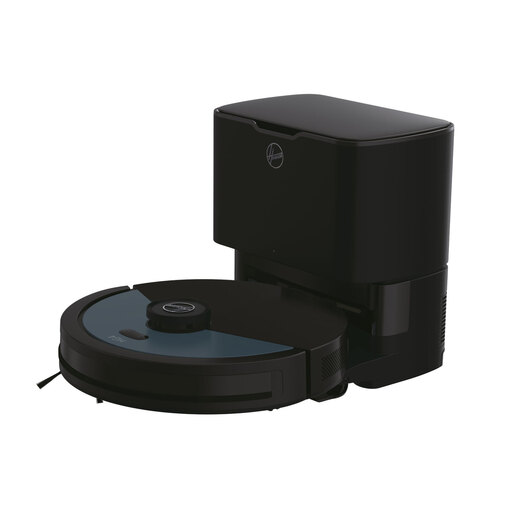
Why This Fits Their Persona: A practical option for households wanting mapped vacuuming and mopping without moving to a more complex premium dock system.
Its 4,000Pa suction is presented alongside laser navigation, adjustable water release and a self-emptying base, so buyers can assess the full feature set rather than suction alone.
Laser mapping, app scheduling, room naming, no-go zones and a stated ability to climb thresholds up to 2cm.
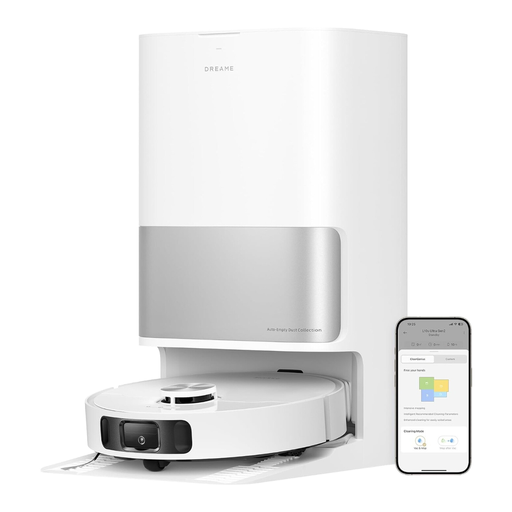
Why This Fits Their Persona: Suited to larger or busy homes where automated dock functions and detailed floor control are more important than a compact setup.
The multifunctional dock’s listed functions include dust emptying, water refilling, mop washing and drying. Buyers should still allow space for the dock and maintain its tanks and brushes.
10,000Pa suction, single-line LiDAR, MopExtend technology, a 10.5mm mop lift and stated 20mm threshold clearance.
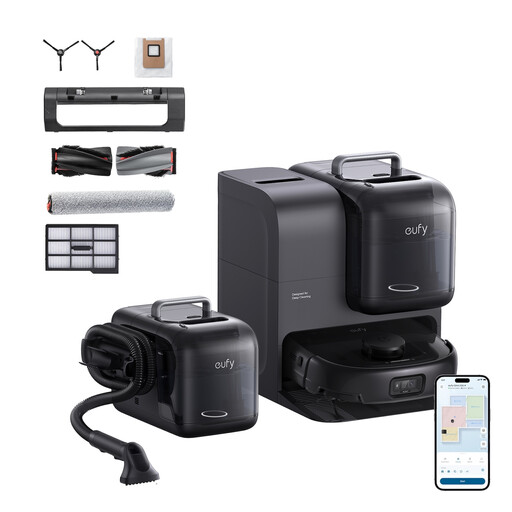
Why This Fits Their Persona: Designed around demanding cleaning routines, including homes with carpets, hard floors and frequent hair or spill-related messes.
Its listed DuoSpiral brushes are designed to reduce hair entanglement, while the all-in-one station washes mop pads with clean water and dries them with heated air. These functions do not remove the need for routine checks.
20,000Pa stated turbo suction, HydroJet mop system, portable deep-cleaner function and a 3L dust bag in the station.
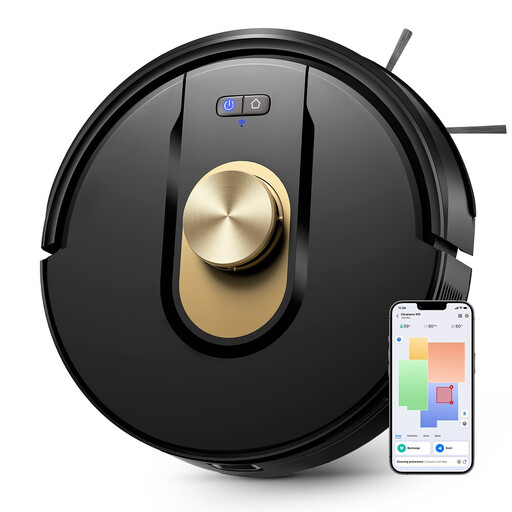
Why This Fits Their Persona: A suitable match for users who want app-controlled cleaning plans, multiple floor maps and adjustable suction and water levels.
The specification lists up to five floor maps, 15 no-go zones and three suction and water settings, giving users more practical control than a single automatic mode.
8,000Pa stated suction, LiDAR mapping, up to 150 minutes’ listed runtime, app control and voice-assistant compatibility.
We have compiled a complete, real-time list of products that fully satisfy these strict selection criteria and UK safety regulations.
A robot vacuum cleaner with mop is designed for scheduled, low-effort cleaning across rooms. It is useful for regular dust, crumbs and light floor marks, but it may not replace manual cleaning for dried spills, stairs or upholstery.
A cordless hard floor cleaner such as the Dyson Clean+Wash Hygiene Hard Floor Cleaner is intended for hands-on cleaning of sealed wood, laminate, vinyl, tile and other sealed surfaces. It separates clean and dirty water and has a self-cleaning cycle, but its listed runtime is up to 35 minutes.
An electric spin mop, such as the Bissell SpinWave 2052E, uses rotating pads and on-demand spray control for sealed hard floors. It offers up to 20 minutes’ cleaning per charge and requires the user to guide it. These appliances can complement a robot rather than compete directly with it.
Yes, provided the model supports carpet detection or a mop-lifting function and the carpet type is compatible. Check the stated lift height, threshold clearance and app settings before purchase. Avoid leaving a wet mop pad over carpet if the appliance does not lift or remove it.
You will still need to inspect the main brush, side brush, filter, sensors and wheels. Empty or rinse water tanks as instructed, wash reusable components and replace consumables at the manufacturer’s recommended intervals. A self-emptying dock reduces dustbin emptying but does not eliminate maintenance.
Running costs depend on cleaning frequency, suction mode, charging requirements and dock functions such as heated mop drying. To manage consumption, schedule cleaning for necessary rooms, use lower settings where suitable and follow the manufacturer’s charging guidance. Also consider replacement bags, filters, mop pads and cleaning solution when comparing total ownership costs.