
24/7 Customer Support

Free returns

Same-day & Next-day Delivery

Quality Guaranteed

Unlock Your Welcome Offers: FREE Delivery | Up to 80% OFF | Free 30-day JoyPlus trial
Download the APP
Rock sugar is a familiar ingredient in Chinese cooking, tea and traditional desserts, but products listed under the same name can differ considerably in crystal size, colour, format and intended use. UK shoppers may be choosing between yellow rock sugar, monocrystal rock sugar, ready-to-drink pear beverages or instant lotus root powder.
The main risk is not simply paying too much. A product can be inconvenient to use, unsuitable for a recipe or far sweeter than expected. This guide from the Joybuy Product Recommendation Officer explains what to check before buying.
Large, slow-dissolving crystals can work well in braised dishes, soups and long-simmered recipes, but they are less convenient when you want to sweeten tea quickly. Small granules and monocrystal rock sugar usually dissolve more easily in hot water.
The practical choice depends on use rather than appearance:
A snow pear drink or rock sugar drink may contain pear concentrate, grape concentrate, sucrose, flavourings or other permitted food additives. Some products are ready to drink, while others are concentrated rock sugar preparations intended to be diluted.
Always read the ingredient list and nutrition panel. A pear-flavoured beverage is not interchangeable with plain rock sugar for cooking, and a sweetened drink may not suit someone trying to reduce sugar intake.
A 200g or 300g pack may be sensible for occasional tea and dessert making. A 1kg bag can offer more supply for a busy household, but sugar can absorb moisture and form clumps if the package is left open.
Check the net quantity, reseal the pack or transfer it to an airtight container, and follow the stated storage instructions. Products should generally be kept in a cool, dry place away from direct sunlight, with the exact packaging guidance taking priority.
For a rock sugar tea, hot drink or quick syrup, choose small crystals or monocrystal rock sugar. Several products provide directions using 90–100°C water, allowing the sugar to dissolve before drinking.
For cooking, larger yellow crystals can provide a slower, more controlled release of sweetness. This is useful for Chinese soups, braised dishes, sweet-and-sour recipes and desserts such as snow pear preparations.
Plain products should have a short ingredient list. For example, some listings contain 100% yellow rock sugar or 100% monocrystal rock sugar. Other options add pear juice or chrysanthemum extract for a flavoured drink or tea-style preparation.
Check whether you want:
Rock sugar is a sugar ingredient, so the nutrition panel matters even when the product is described as traditional, natural or crystal sugar. The listed products commonly provide around 397–404 kcal per 100g, with carbohydrates making up nearly all of the nutritional content.
Review the ingredients, allergen information, net quantity, country of origin, storage conditions and best-before details before purchase. For imported Chinese sweets and pantry staples, packaging information supplied with the product should be treated as the current reference.
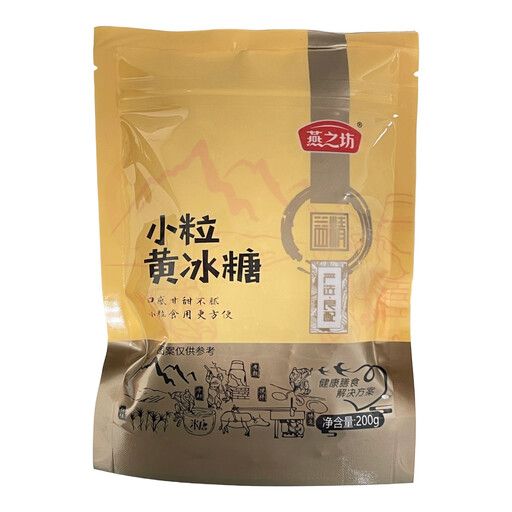
Why This Fits Their Persona: A compact pack for UK shoppers trying rock sugar in tea, cooking or desserts without committing to a larger household size.
The small-granule format avoids the inconvenience of waiting for large crystals to dissolve in everyday drinks.
200g net weight; yellow rock sugar ingredient; suitable for hot drinks, cooking and desserts.
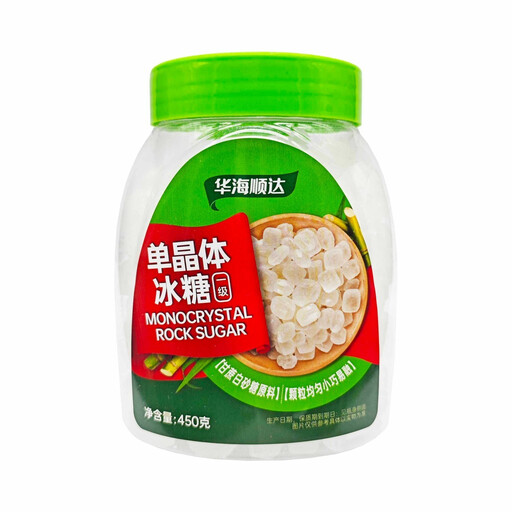
Why This Fits Their Persona: A jar-pack option for shoppers who value clear, uniform crystals and convenient storage between uses.
The bottle format helps reduce exposure to humidity, while the single-crystal specification makes the format clear before purchase.
450g bottle pack; 100% monocrystal rock sugar listed; suitable for drinks and cooking.
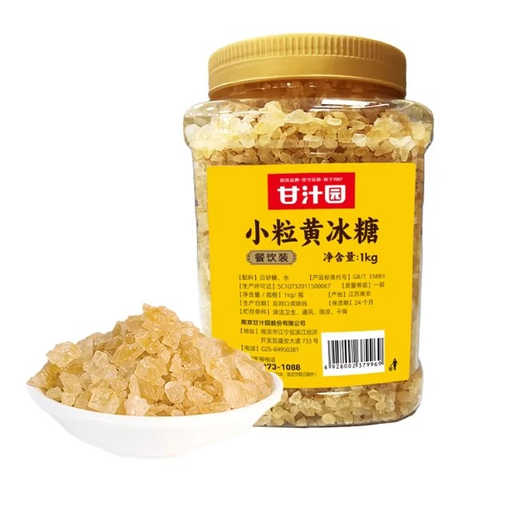
Why This Fits Their Persona: A 1kg option for households regularly preparing Chinese soups, marinades, desserts, congee or sweet-and-sour dishes.
The large pack reduces repeat purchases for frequent users, while small crystals remain practical for both liquids and recipes.
1kg net quantity; small yellow crystals; listed for soups, braised dishes, congee, desserts and marinades.
If convenience matters more than having a pantry ingredient, consider a rock sugar snow pear drink. The Master Kong 500ml x 15 bottle pack is designed for chilled or room-temperature drinking, while the Uni-President 500ml pear drink lists 10% pear concentrate and 0.25% crystal sugar among its ingredients.
For a spoonable or warm snack, the Family Whole Rock Sugar Silver Ear Lotus Root Powder Soup contains 20 individual 35g packets, with rock sugar, red dates and silver ear powder listed in the recipe. Bao Ge’s lotus root vermicelli combines lotus root powder, rock sugar and osmanthus and is prepared with boiling water. These products are not substitutes for plain rock sugar, but they can be convenient options for breakfast, a hot drink or a dessert-style snack.
We have compiled a complete, real-time list of products that fully satisfy these strict selection criteria and UK safety regulations.
Both are sweetening ingredients, but rock sugar is crystallised into granules, crystals or blocks. The format affects how quickly it dissolves and how easily it can be measured. Nutritionally, it should still be treated as a sugar and used according to the recipe and personal dietary needs.
Keep it sealed in a cool, dry place away from moisture and direct sunlight. A jar or airtight container can help prevent clumping after opening. Always follow the storage instructions and best-before information printed on the packaging.
Small-grain yellow rock sugar and monocrystal rock sugar are practical choices because they dissolve relatively easily in hot water. For a flavoured option, chrysanthemum rock sugar or pear juice rock sugar can add a floral or fruity note. Use a ready-to-drink pear beverage instead when you want no preparation.