
24/7 Customer Support

Free returns

Same-day & Next-day Delivery

Quality Guaranteed

Unlock Your Welcome Offers: FREE Delivery | Up to 80% OFF | Free 30-day JoyPlus trial
Download the APP
Navigating the world of Asian sweeteners can be surprisingly complex. You follow a recipe for a glossy, braised pork belly, but your dish ends up disappointingly dull. Or you try to sweeten a delicate herbal tea, only to be left with a large, stubborn lump of sugar at the bottom of your mug. If this sounds familiar, you've likely encountered the common pitfalls of choosing the wrong type of rock sugar.
Many UK home cooks find themselves confused by the variety available, often assuming all crystalline sugars are interchangeable. This can lead to wasted ingredients and dishes that lack that authentic touch. The two most common missteps are:
This guide will help you understand the key differences so you can select the right Chinese sugar for cooking and other applications with confidence.
Before adding any rock sugar to your basket, understanding two key factors is crucial: the crystal structure and the intended application. This knowledge ensures you get the perfect sweetness, colour and texture every time.
The most significant distinction lies in the crystal formation, which directly impacts how the sugar behaves in your kitchen.
Monocrystal Rock Sugar: This type consists of small, individual, clear crystals. It is highly refined, resulting in a pure, clean sweetness. Its main advantage is that it dissolves quickly and evenly, making it ideal for sweetening hot beverages like tea and coffee or for making clear broths and desserts where you don't want to add any colour. If a recipe calls for a quick, clean sweetening agent, monocrystal rock sugar is your go-to.
Polycrystal Rock Sugar (Yellow Rock Sugar): Often sold in larger, irregular lumps with a distinct golden or amber hue, this is yellow rock sugar. The colour comes from retaining more of the original sugarcane molasses during a slower, more traditional crystallisation process. This gives it a richer, slightly more complex flavour. It dissolves slowly, gradually releasing its sweetness, which makes it the perfect Chinese sugar for cooking braised dishes, rich stews and creating beautiful glazes.
Matching the sugar to your culinary goal is essential.
To help you choose, we've matched some reliable options to common user needs, explaining how they solve the typical buying challenges.

Why This Fits Their Persona: This user is dedicated to recreating authentic East Asian dishes at home. They need ingredients that perform a specific function, and this yellow rock sugar is designed for the slow-cooking methods that define many classic braises and stews.
This is the correct polycrystal type, preventing the common mistake of using a fast-dissolving sugar that fails to create the signature rich, glossy glaze on slow-cooked meats.
Its large crystals dissolve slowly, imparting a deep, nuanced sweetness and a beautiful amber colour, essential for authentic braised dishes.
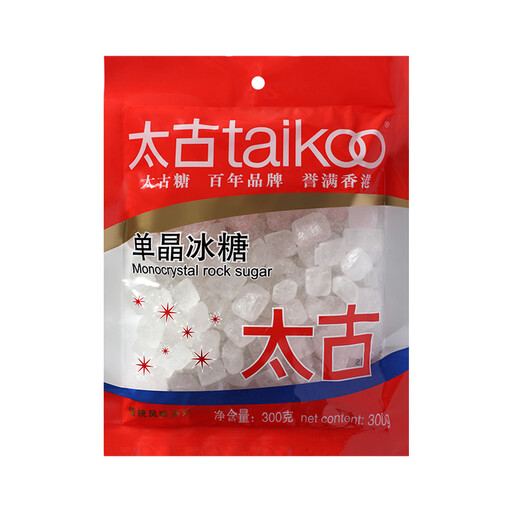
Why This Fits Their Persona: Ideal for the busy individual who enjoys making simple Asian desserts, herbal teas or just wants a clean sweetener for their daily brew. Convenience and speed are their priorities. The **Taikoo sugar** brand is also well-recognised for quality.
Its small, uniform monocrystal form dissolves quickly, avoiding the frustration of using large, slow-melting yellow rock sugar in a drink or a delicate, clear soup.
Provides pure, unadulterated sweetness without altering the colour of beverages. The uniform crystals ensure consistent dissolving and flavour.
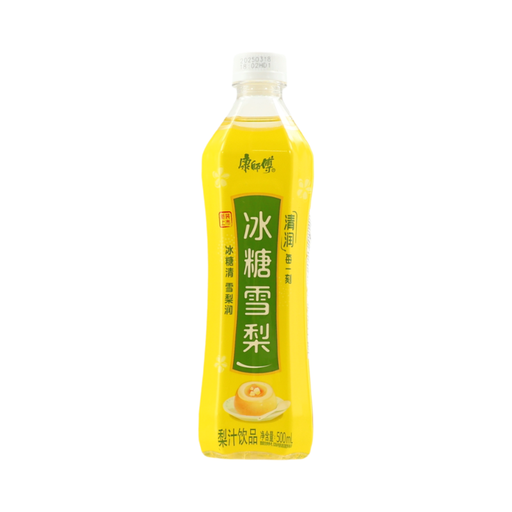
Why This Fits Their Persona: This person loves the traditional flavour of a **rock sugar pear drink** but doesn't have the time or inclination to make it from scratch. They value convenience and are looking for a refreshing, ready-to-drink option.
It completely bypasses the need for any cooking or ingredient selection. You get the authentic flavour profile instantly, with no risk of using the wrong type of sugar or pear.
Ultimate convenience. This ready-to-drink beverage offers a balanced, refreshing taste that is perfect for quenching thirst, especially when served chilled.
We have compiled a complete, real-time list of products that fully satisfy these strict selection criteria and UK safety regulations.
While you can in a pinch, it's not recommended for authentic results. Caster sugar dissolves very quickly and has a simple, sharp sweetness. In a braise, it can easily burn or fail to produce the thick, glossy glaze that slow-dissolving rock sugar creates. For drinks, monocrystal rock sugar offers a milder, smoother sweetness compared to the intensity of caster sugar.
The primary difference is refinement and application. White (monocrystal) rock sugar is more refined, dissolves faster, and has a pure, clean taste, making it great for drinks. Yellow rock sugar (polycrystal) is less refined, retains some molasses for a richer flavour and colour, and dissolves slowly, making it the standard for traditional Chinese braising and stewing.
Rock sugar is hygroscopic, meaning it absorbs moisture from the air. To prevent it from becoming sticky or clumping together, store it in an airtight container in a cool, dry place, away from direct sunlight and heat sources like your cooker. This will ensure it remains in good condition for a long time.