
24/7 Customer Support

Free returns

Same-day & Next-day Delivery

Quality Guaranteed

Unlock Your Welcome Offers: FREE Delivery | Up to 80% OFF | Free 30-day JoyPlus trial
Download the APP
A mouse in the kitchen, rats near a shed or rabbits damaging young plants can quickly turn a small nuisance into a recurring expense. The range of rodent control products is broad, but not every trap, bait or repellent suits every location.
The main challenge is choosing a solution that matches the pest, setting and level of activity. A product designed for indoor mice may be unsuitable outdoors, while an open bait tray can create unnecessary risks around children, pets and wildlife.
This guide explains the common buying pitfalls, the specifications worth checking and which products may suit different UK households, gardens and outbuildings.
Rodenticide is not a standalone solution. Products containing active ingredients such as difenacoum or brodifacoum must be used according to the product label, and bait intended for rats and mice should be placed in an appropriate tamper-resistant bait station.
Buying loose bait without checking whether you also need a reusable or pre-baited station can make the product unusable. It may also increase the risk of accidental contact by children, pets or non-target animals.
Moisture can affect loose grain and some soft bait formulations. For sheds, garages, greenhouses and exterior walls, look for weather-resistant or moisture-resistant rodent bait blocks. These are designed to remain more stable in damp conditions than ordinary food-based bait.
However, weather resistance does not mean the bait can be left exposed. Outdoor rodent bait still needs to be secured inside a suitable station and checked as directed.
An inexpensive trap may be difficult to set, hard to clean or poorly suited to the size of the pest. Check whether it is reusable, how the bait is applied and whether the mechanism can be handled without touching the catch.
For households that prefer non-toxic control, a humane mouse trap can be considered. Live-capture traps require frequent checking and responsible release in accordance with local guidance. They are not a set-and-forget option.
Start by identifying whether you need a rat and mouse killer, mouse traps, rat traps or a non-toxic deterrent. Rats generally require larger, stronger traps and bait stations than mice.
Then consider where the product will be used:
A tamper-resistant bait station should be lockable or securely closed, stable when placed against a wall and compatible with the selected bait format. Some stations accept blocks, grain sachets or food refills, but compatibility should be confirmed before purchase.
A refillable station can reduce repeat costs over time, provided it is cleaned, stored and replenished in line with the instructions.
For snap traps, look for a strong spring, a stable base and a bait cup that allows application without handling the trigger. Reusable traps can be more economical where activity continues, but they must be checked regularly and cleaned safely.
For live-capture designs, check the dimensions, ventilation, release mechanism and frequency of inspection required. A transparent body can make it easier to see whether a mouse has been caught without opening the trap.
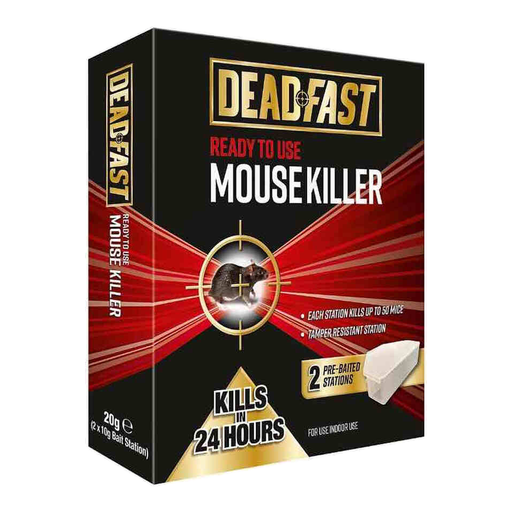
Why This Fits Their Persona: A twin pack gives renters and homeowners a straightforward starting point for indoor mouse activity in kitchens, lofts, garages or sheds.
The press-to-set design avoids the need to touch the catch, while the reusable format avoids repeatedly buying disposable traps.
Twin pack, integrated bait cups, reusable construction and a strong spring mechanism.
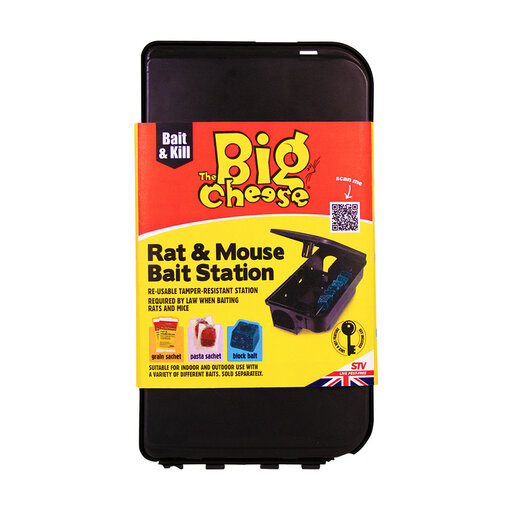
Why This Fits Their Persona: Suitable for shoppers who want a lockable, weatherproof station that can be used with different bait formats around buildings.
It addresses the common mistake of buying bait without a suitable container and is designed to be refilled rather than discarded.
Lockable tamper-resistant housing, weatherproof design and compatibility with blocks, sachets and grain bait.
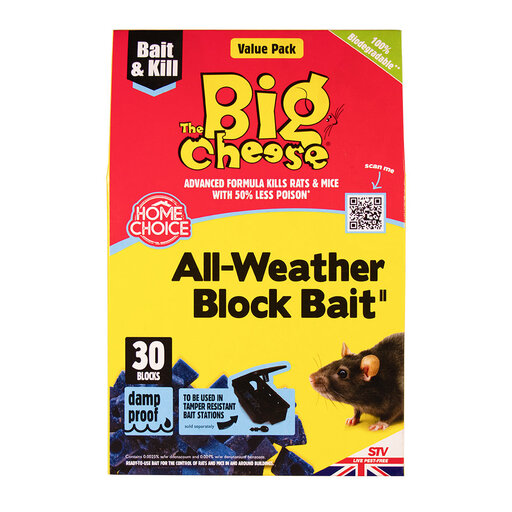
Why This Fits Their Persona: The larger pack is practical for landlords, allotment owners and households managing activity across several outbuildings.
Moisture-resistant blocks are a more suitable format than loose grain where damp sheds, garages or greenhouses are involved.
30 ready-to-use 10g blocks, indoor and outdoor suitability around buildings and compatibility with bait stations.
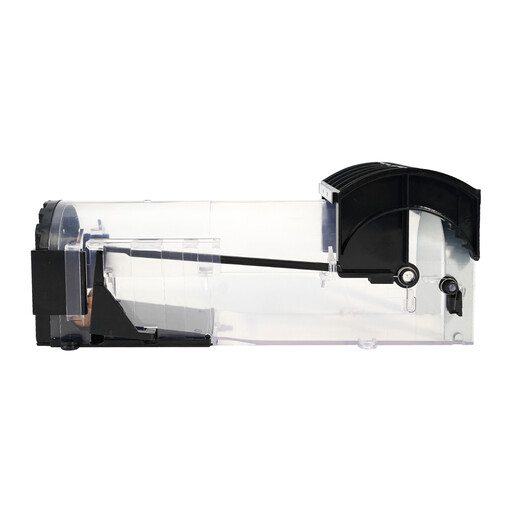
Why This Fits Their Persona: A live-capture option for people seeking non-toxic rodent control in homes, offices, garages or storage areas.
It avoids poison and snap mechanisms, with an entry-only design and quick-release feature for handling without direct contact.
Reusable transparent plastic body, 25 cm length, two-door live-capture design and contact-free release.
We have compiled a complete, real-time list of products that fully satisfy these strict selection criteria and UK safety regulations.
For garden pests, choose a product designed for that pest instead of treating everything as a rodent problem. A rabbit repellent can be applied to vulnerable crops and ornamental plants, while slug traps offer a reusable, non-pellet option for vegetable beds and planters.
A lockable tamper-resistant bait station or a secured mechanical trap can reduce access by pets, but no product should be placed where children or animals can reach it. Always follow the label and keep stations away from food and water.
Reusable traps and stations can remain usable for an extended period when kept clean, dry and undamaged. Bait itself needs replacing when consumed, contaminated or no longer fresh. Outdoor blocks may last differently depending on weather and inspection frequency.
Live-capture traps may suit light activity or households avoiding toxic products, but they require frequent checks and correct release. Larger or persistent infestations may need several traps, proofing work or advice from a qualified pest control service.