
24/7 Customer Support

Free returns

Same-day & Next-day Delivery

Quality Guaranteed

Unlock Your Welcome Offers: FREE Delivery | Up to 80% OFF | Free 30-day JoyPlus trial
Download the APP
The search for a satisfying, savoury snack that doesn't feel like a compromise can be a challenge. Root vegetable crisps have emerged as a popular choice, promising the crunch of a classic crisp with the wholesome appeal of vegetables. Yet, not all bags are created equal. The supermarket aisles are filled with options that can be misleading, leaving you with a snack that isn't quite the healthy alternative you hoped for.
As a Joybuy Product Recommendation Officer, my role is to help you navigate the market and make choices that align with your preferences for quality and flavour. Before you add a bag to your basket, let's look at the common pitfalls to avoid.
To ensure you're getting a genuinely good product, focus on these three key areas.
The first and most important check is the ingredients list. Look for products where whole or sliced vegetables are the primary ingredient, not potato starch or flour. A good bag of root vegetable crisps will proudly list items like parsnip, carrot, sweet potato and beetroot at the top. A mix of vegetables, such as in beetroot and parsnip crisps, not only provides a more interesting flavour and texture but also a broader range of natural nutrients.
The method used to cook the crisps has the biggest impact on their fat content, making it a crucial factor for anyone seeking a low fat crisps UK option.
Always compare the "Fat per 100g" value in the nutritional information table to get a clear, objective measure.
For many, dietary needs are non-negotiable. If you're looking for gluten free vegetable crisps or vegan crisps, always check for official certifications on the packaging. Beyond that, a shorter ingredients list is often a sign of a higher-quality, more artisan crisp. Look for products that use simple seasonings like sea salt and avoid artificial flavours, colours and preservatives.
Based on these criteria, here are a few recommendations tailored to different snacking preferences.
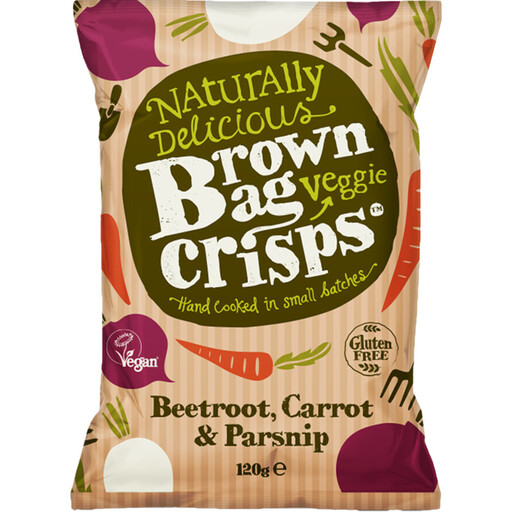
Why This Fits Their Persona: This is for the snacker who values provenance and simplicity. Made by a small, family-run company in Surrey, these crisps are for those who actively support independent UK producers and prefer a snack with a story and character.
It sidesteps the "ingredient illusion" with a beautifully simple list: Parsnip, Carrot, Beetroot, Rapeseed Oil and Salt. The vegetables are the star, delivering an authentic, earthy flavour.
Genuinely hand cooked crisps for a hearty crunch. Certified gluten-free, dairy-free and suitable for vegans.

Why This Fits Their Persona: Ideal for those seeking variety and a clean ingredient list. This snack offers a medley of six different vegetables, including yellow sweet potato, green radish and beetroot, making it a great way to enjoy a wider range of flavours and textures.
This product defeats the "healthy halo" trap by clearly stating "Vegetable (72%)" as its main component. It's a genuinely vegetable-based snack, not a flavoured potato crisp in disguise.
A diverse mix of six vegetables provides a more complex flavour profile and a good source of dietary fibre. It contains no artificial colours, flavours or preservatives.
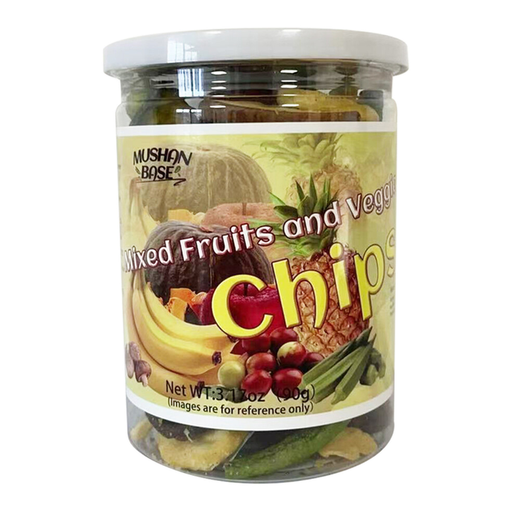
Why This Fits Their Persona: For the snacker who is curious and enjoys trying new things. This mix goes beyond traditional root vegetables by including fruits like banana and apple, offering a unique sweet-and-savoury balance that stands out from typical crisps.
It is transparent about its contents, clearly listing both vegetables and fruits. The use of low-temperature vacuum frying is a specific cooking method that directly addresses the "cooking method myth."
A distinctive combination of vegetables (purple sweet potato, taro, carrot) and fruits (banana, apple) for a novel snacking experience. The cooking process helps preserve the natural character of the ingredients.
We have compiled a complete, real-time list of products that fully satisfy these strict selection criteria and UK safety regulations.
It depends entirely on the product. If they are made from whole vegetable slices and cooked using a method that results in lower fat (like baking or vacuum-frying), they can be a healthy crisps alternative. They often provide more dietary fibre and a wider variety of vitamins. However, you should always check the nutritional label, as some vegetable crisps can be just as high in fat and salt as their potato-based counterparts.
The term 'hand cooked crisps' or 'artisan crisps' typically refers to a small-batch production process. The vegetable slices are often fried more slowly, which can create a harder, more varied and satisfyingly crunchy texture. While it implies a more traditional, craft-led approach, it does not automatically mean it is a low fat crisps UK option. The main benefit is often found in the superior texture and the use of simple, high-quality ingredients.
The most reliable method is to look for a "gluten-free" certification mark on the packaging. If one is not present, you must carefully read the full ingredients list. Crisps made simply from vegetables, oil and salt are naturally free from gluten. However, be cautious with seasoned varieties, as the flavourings can sometimes contain wheat flour or barley extract. Always check the allergen advice section for any "may contain" warnings related to cereals containing gluten.