
24/7 Customer Support

Free returns

Same-day & Next-day Delivery

Quality Guaranteed

Unlock Your Welcome Offers: FREE Delivery | Up to 80% OFF | Free 30-day JoyPlus trial
Download the APP
The timeless appeal of rose is undeniable. From the delicate scent that can transform a room to the soothing properties found in skincare, it’s a staple in beauty, wellness and home care. However, navigating the market for rose scented products in the UK can be tricky. Many items promise a luxurious floral experience but fall short, leaving you with a synthetic scent or a product that doesn't deliver on its claims.
As a Joybuy Product Recommendation Officer, my role is to help you see past the marketing and make informed choices. Before you add another "rose" product to your basket, let's look at the common pitfalls and what to check for to ensure you're getting genuine quality.
Parfum or Fragrance on the ingredient list, can be a source of disappointment and, for some, skin irritation.Rosa Damascena Flower Water or Rosa Canina Fruit Oil appears at the very end of a long ingredient list, its concentration is likely too low to provide any significant benefits, making the claim more of a marketing tactic than a functional feature.To avoid these traps, focus on a few key details. This will help you distinguish between a genuinely good product and a cleverly marketed one.
Rosa Damascena (Damask Rose), often used for its potent fragrance and soothing properties in rose water cleansers and Rosa Canina (Rosehip), prized in skincare for its fatty acids and vitamins. A product listing these prominently is more likely to deliver authentic benefits.Here are a few products that align with different needs, chosen because they successfully navigate the common pitfalls while delivering on their promises.
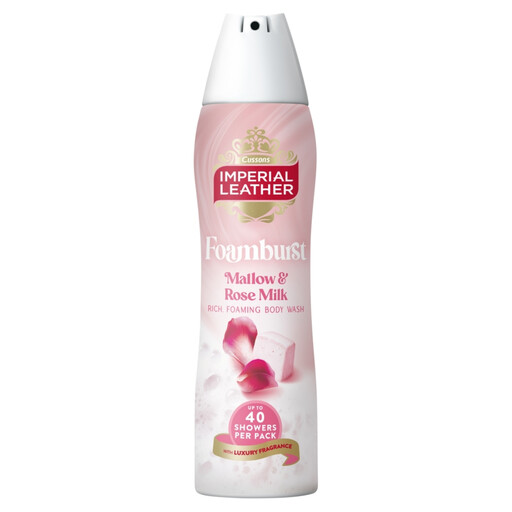
Why This Fits Their Persona: This user wants to elevate a daily routine with a touch of luxury without a high price tag. This body wash turns a simple shower into a fragrant, sensory experience.
Its primary promise is a luxurious foam and a pleasant scent, not unsubstantiated skincare claims. It delivers exactly what it advertises: a fragrant, enjoyable wash.
The innovative gel-to-foam formula is rich and velvety. One bottle provides up to 40 showers, making it a cost-effective choice for a daily rose body wash.
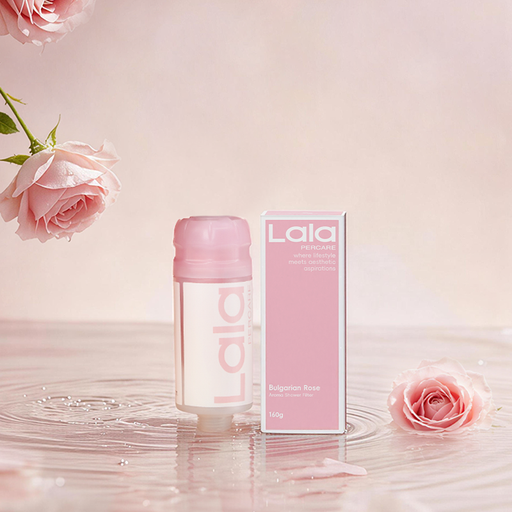
Why This Fits Their Persona: This user is concerned about water quality and seeks functional skincare benefits. They want products that actively improve their skin and hair health, inspired by Korean beauty principles.
It moves beyond a simple scent by infusing the water with highly concentrated Damask Rose extract and Vitamin C. Its primary function is filtration and skin nourishment, not just fragrance.
It removes residual chlorine from tap water and adjusts the pH to a skin-friendly 5.5. The formula also contains jojoba and coconut oils for added hydration.
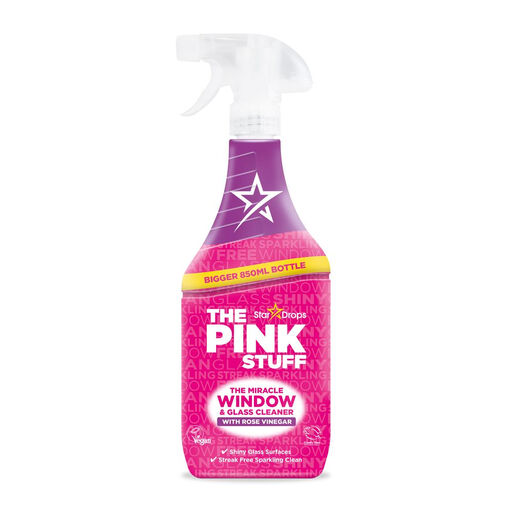
Why This Fits Their Persona: This person appreciates a clean and fresh-smelling home. They want effective products that make daily chores more pleasant, turning a mundane task into a small moment of sensory pleasure.
It's honest about its purpose: a cleaner first, with a pleasant scent as a bonus. The use of natural rose vinegar provides a more authentic fragrance than a purely synthetic air freshener spray.
It delivers a streak-free shine on glass and mirrors while leaving behind a fresh, delicate rose scent. This is a great example of a functional rose fragrance for home.
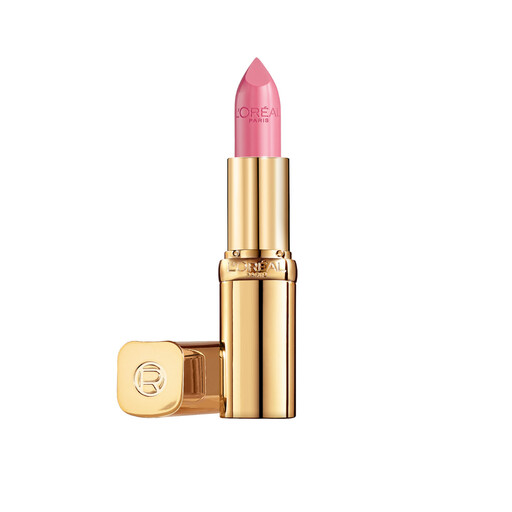
Why This Fits Their Persona: This user loves high-performing makeup that also cares for their skin. They look for products that blend colour, comfort and beneficial ingredients into one elegant package.
While "Rose Tendre" refers to the shade, this lipstick avoids the "colour only" trap by including Rosa Canina Fruit Oil (Rosehip) in its formula, providing genuine lip-conditioning benefits.
The formula is made of 75% caring ingredients, including Argan Oil and Vitamin E, to provide up to 24 hours of hydration. It's a rose lipstick that combines colour with care.
We have compiled a complete, real-time list of products that fully satisfy these strict selection criteria and UK safety regulations.
1. Are rose scented products suitable for sensitive skin? It depends entirely on the formulation. Products containing natural rose water or oil can be quite soothing for the skin. The main culprit for irritation is often synthetic fragrance, listed as Parfum. If you have sensitive skin, look for products that use natural extracts and are specifically marked as suitable for sensitive skin. A patch test on a small area of skin is always a sensible precaution.
2. What is the difference between rose oil and rosehip oil in skincare? This is a common point of confusion. Rose oil (often from Rosa Damascena) is steam-distilled from the flower petals. It is highly valued for its complex aroma and its soothing, anti-inflammatory properties. Rosehip oil (from Rosa Canina) is cold-pressed from the fruit and seeds of the rose plant. It has little to no rose scent and is instead packed with vitamins (like A and C) and essential fatty acids, making it excellent for skin repair, hydration and reducing the appearance of scars and fine lines.
3. How can I make the rose scent from my products last longer? The key is layering. By using products with a complementary scent profile, you can build a subtle and lasting fragrance. For example, start with a rose body wash in the shower, apply a rose-scented body lotion and finish with a light mist of a rose hair perfume. This creates a more complex and enduring scent than using a single product alone.