
24/7 Customer Support

Free returns

Same-day & Next-day Delivery

Quality Guaranteed

Unlock Your Welcome Offers: FREE Delivery | Up to 80% OFF | Free 30-day JoyPlus trial
Download the APP
Choosing rosé wine should be straightforward, but online listings often make comparison harder than it needs to be. A pale colour does not automatically indicate a dry style, “premium” packaging does not tell you how the wine will taste, and a case deal may not suit a household that only opens a bottle occasionally.
As the Joybuy Product Recommendation Officer, I focus on the details that help shoppers avoid paying for the wrong style, size or quantity.
Many Provence and Loire rosés are pale and dry, but colour alone cannot confirm sweetness. A fruity rosé may be dry, off-dry or noticeably sweet. Check the product description for terms such as dry, crisp, sweet, fruity or refreshing, and consider the grape variety and region.
For instance, a French rosé from Provence often has a lighter, fresh profile, while a fruit-led wine may show more strawberry, raspberry or citrus character.
A standard rosé wine 75cl bottle provides approximately six 125ml glasses. A rosé wine magnum contains 1.5 litres, making it more practical for a dinner or garden gathering, but less convenient for occasional drinking. A rosé wine case can reduce the need to reorder, although it requires suitable storage and a realistic estimate of consumption.
Compare the total volume and alcohol units, rather than judging value by the bottle price alone.
Rosé wines can range from lighter styles around 9.5% ABV to fuller bottles above 13%. A standard 750ml bottle at 13% ABV contains approximately 9.75 UK units. Check the label before serving, particularly when buying several bottles for an event.
Most rosé is intended to be enjoyed relatively young. Store unopened bottles in a cool, dry place away from direct sunlight, then refrigerate after opening where the product instructions recommend it. Always follow the label and drink responsibly. UK law prohibits alcohol sales to under-18s, and the UK Chief Medical Officers advise adults not to regularly exceed 14 units per week.
Use the style description as a practical guide:
The grape variety can also provide useful clues. Grenache often contributes red-fruit flavours, while Pinot Noir can bring freshness and structure. Glera is commonly associated with aromatic sparkling wines.
Choose the format according to the occasion:
Also check whether the listing is for one bottle or multiple bottles. “Case deal” should not be assumed to mean the same quantity across every product page.
Most rosé is more refreshing when chilled. Depending on the style, serving guidance may range from approximately 6–12°C. Very cold temperatures can mute aromas, while serving too warm can make alcohol feel more prominent.
Pair lighter rosé with salads, grilled prawns, smoked salmon, fresh fruit and soft cheeses. Fruity styles can work with mild spice, chicken and casual barbecue dishes. Sparkling rosé suits canapés and celebratory foods, while a structured Provençal bottle can accompany grilled fish or Mediterranean vegetables.
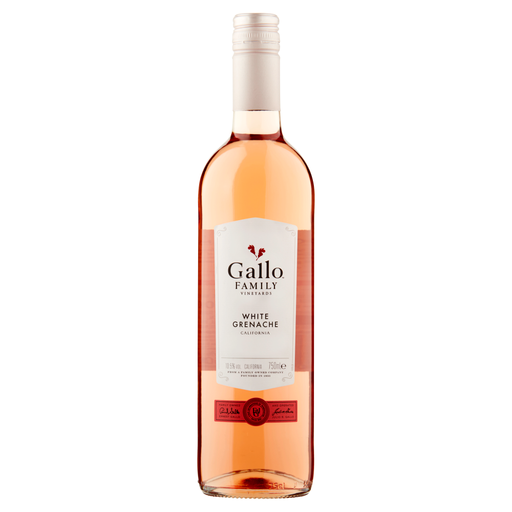
Why This Fits Their Persona: A 9.5% ABV, 75cl bottle with strawberry and citrus notes for casual meals, relaxed evenings and shoppers trying rosé without committing to a case.
The stated ABV and serving format make comparison easier than relying on front-label colour or vague occasion-based marketing.
75cl bottle; 9.5% ABV; described with strawberry and citrus flavours; suitable for light foods.
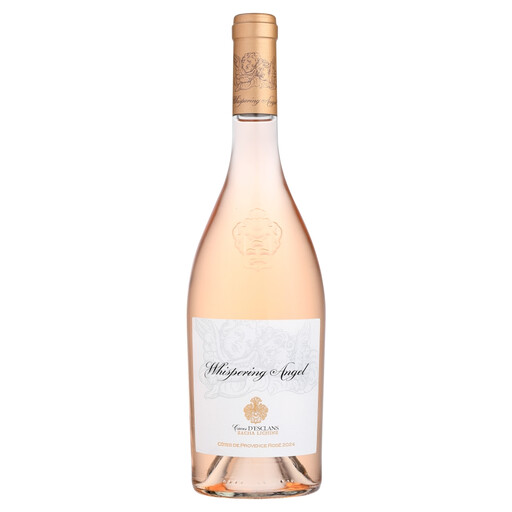
Why This Fits Their Persona: A Provence rosé for shoppers seeking a recognisable French regional style, pale colour and crisp red-fruit profile for dinners or gifting.
The listing identifies Provence, Côtes de Provence AOC, grape composition and 13% ABV, providing more useful information than appearance alone.
French origin; Provence appellation; 13% ABV; suitable for vegetarians and vegans according to the listing.
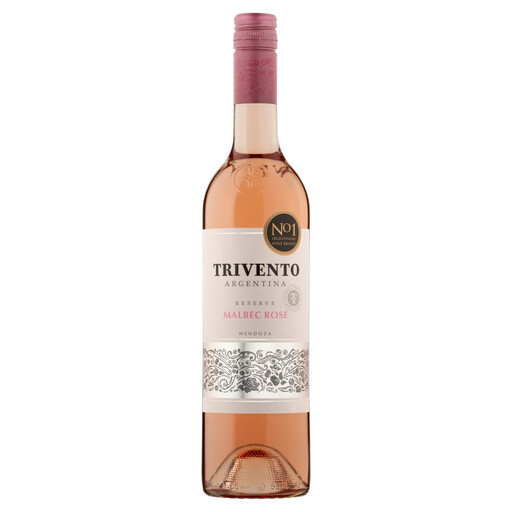
Why This Fits Their Persona: A Mendoza rosé for shoppers who prefer strawberry, summer fruit and grapefruit notes with a crisp finish for picnics, salads and seafood.
The description states its flavour direction, origin, 75cl size and 13% ABV, helping shoppers distinguish fruity character from sweetness.
Mendoza origin; 13% ABV; Malbec-based listing; suitable for vegetarians and vegans.
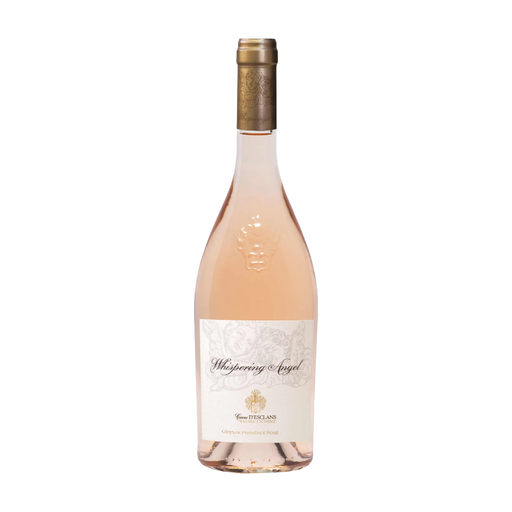
Why This Fits Their Persona: The 1.5L format is designed for sharing at garden parties, larger dinners and celebrations where several guests will be served.
The magnum volume is clearly stated, preventing shoppers from mistaking a large presentation bottle for a standard 75cl purchase.
1.5L capacity; 13% ABV; listed serving temperature of 10–11°C; suitable for vegetarian and vegan shoppers.
We have compiled a complete, real-time list of products that fully satisfy these strict selection criteria and UK safety regulations.
No. Rosé can be dry, fruity, off-dry or sweet. Terms such as dry, crisp and mineral usually indicate a less sweet style, while descriptions mentioning ripe berries or summer fruit focus on flavour rather than necessarily indicating sugar content.
For freshness, reseal an opened bottle and refrigerate it. Many still rosés are best consumed within two to four days, while sparkling rosé can lose its bubbles sooner. Always follow the storage guidance on the product label.
Most rosé is enjoyable chilled, commonly between 6°C and 12°C, depending on the style. Sparkling rosé is often served colder, while a fuller or more aromatic still rosé may show more character at the warmer end of that range.