
24/7 Customer Support

Free returns

Same-day & Next-day Delivery

Quality Guaranteed

Unlock Your Welcome Offers: FREE Delivery | Up to 80% OFF | Free 30-day JoyPlus trial
Download the APP
Buying rosé wine online should be straightforward, but attractive labels and vague tasting language can make it difficult to compare bottles. A pale pink colour does not automatically indicate a dry style, while phrases such as “fruity”, “smooth” or “summer wine” may not tell you how sweet, strong or versatile the bottle will be.
Whether you want a fruity rosé wine for a barbecue, a French rosé for dinner, sparkling rosé for a celebration or a value pack for entertaining, check the practical details before adding a bottle to your basket.
Rosé can range from very pale pink to a deeper blush colour, but appearance is not a reliable guide to sweetness or body. A light-coloured Provence-style wine may be dry and crisp, while a darker pink wine can still be light and gently sweet.
Read the tasting description and check the sugar and carbohydrate information, where available. Terms such as “off-dry”, “slightly sweet” or “fruit-forward” are more useful than colour alone.
Some wines have natural strawberry, raspberry or citrus notes from the grapes and winemaking process. Others are wine-based drinks containing fruit juice, sugar, flavourings or water. Neither option is automatically right or wrong, but they offer different drinking experiences.
For example, Echo Falls Summer Berries lists fruit juice, sugar and flavourings among its ingredients, while a traditional rosé generally lists grapes and sulphites. Check the ingredient panel if you have a particular preference.
A standard 75cl bottle normally provides around six 125ml glasses, although serving sizes vary. Alcohol content can differ considerably: the supplied range includes options from 5.5% to 13.5% ABV. A lower ABV does not mean unlimited consumption, so check the units per bottle and drink responsibly.
Also consider whether the bottle needs chilling before serving and how quickly it should be consumed after opening. Sparkling wine, for example, is usually most enjoyable soon after opening, while some larger formats are designed for occasions where several people will be drinking.
Choose according to how you normally enjoy wine:
Alcohol units are calculated using the bottle’s volume and ABV. A 75cl bottle at 12% ABV contains approximately 9 UK units, while a 75cl bottle at 5.5% ABV contains approximately 4.1 units. Always use the product label for the exact figure.
UK Chief Medical Officers advise adults not to regularly exceed 14 units per week. Alcohol products are for people aged 18 and over, and alcohol should be avoided during pregnancy.
Country of origin can help narrow your selection, but it should not replace the product details. The range includes French rosé from Provence and Languedoc, Spanish rosado, Italian rosé, Australian blush wine and British-made fruit wine.
For a typical chilled rosé wine, refrigerate before serving or use an ice bucket. Most still rosé is served cold, while the product label should guide storage and serving instructions. If you are buying wine delivery UK shoppers can rely on, check the delivery information, packaging condition and whether the item is ambient or chilled.
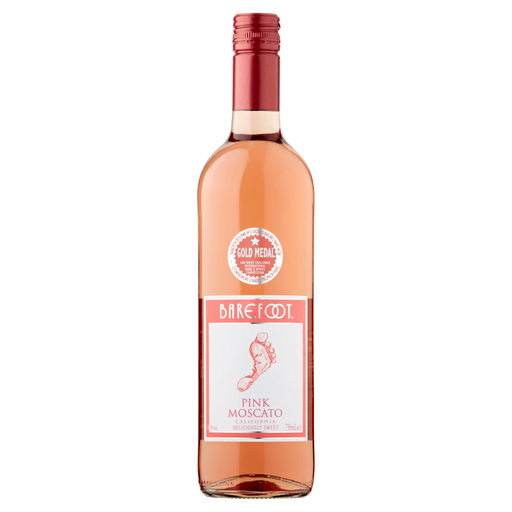
Why This Fits Their Persona: A 75cl bottle with 9% ABV suits shoppers seeking an approachable Pink Moscato for relaxed evenings, casual hosting or a first move into sweeter rosé styles.
The listed ABV, bottle size, calories and ingredients make it easier to compare with sweeter or fruit-based alternatives.
100% Moscato; 9% vol; 75cl format; suitable for shoppers who prefer a fruit-led style.
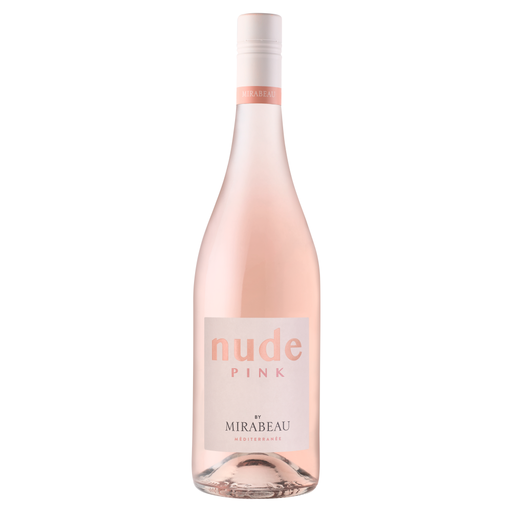
Why This Fits Their Persona: This French rosé from the South of France is suited to shoppers looking for a more structured bottle for dinner, gifting or polished home entertaining.
The 12.5% ABV is clearly stated, helping prevent confusion between lighter blush wine and full-strength still rosé.
12.5% vol; fresh red berry and citrus notes listed; 75cl bottle; contains sulphites.
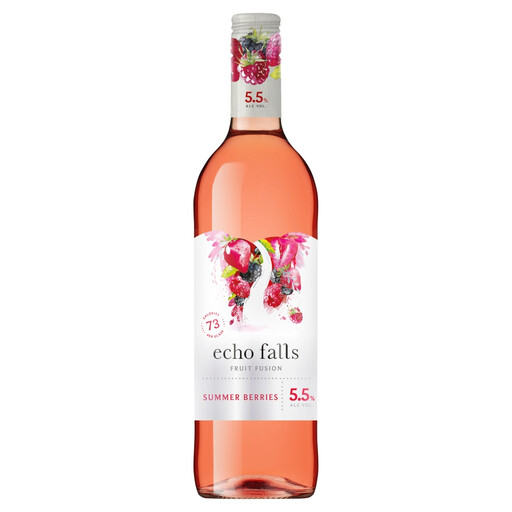
Why This Fits Their Persona: A 5.5% ABV fruit wine for shoppers who want a lighter, berry-led drink for picnics, informal gatherings or chilled summer occasions.
The product information identifies the added fruit juice, sugar and flavourings, so shoppers know it is not a conventional grape-only rosé.
5.5% vol; 3.75 units per bottle; vegetarian and vegan friendly; refrigerate after opening.
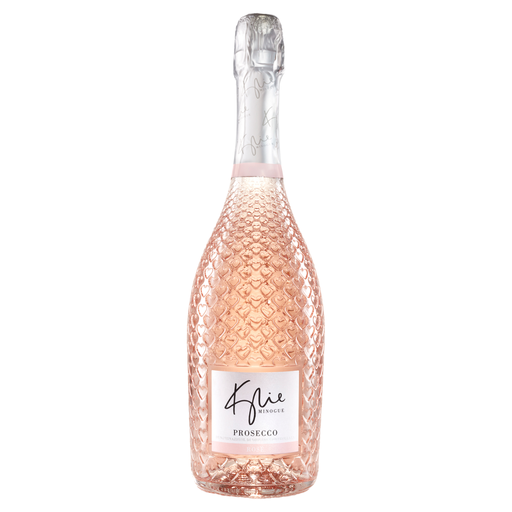
Why This Fits Their Persona: Sparkling rosé is a practical match for brunch, birthdays, toasts and other wine-for-celebrations occasions where bubbles add a festive touch.
It is specifically identified as Prosecco Rosé, with Glera and Pinot Noir listed, rather than relying on a generic pink wine description.
11% vol; 8.3 units per bottle; Italian origin; serve chilled; suitable for celebratory occasions.
Rosé is flexible, but matching intensity helps:
Serve still rosé chilled, but avoid over-chilling if you want to notice more aroma. Once opened, reseal the bottle and follow the label’s storage instructions.
We have compiled a complete, real-time list of products that fully satisfy these strict selection criteria and UK safety regulations.
It can be either. Check the product description for terms such as dry, off-dry, gently sweet or fruity. A pink colour alone does not indicate sweetness.
Most still rosé is best consumed within a few days after opening when resealed and refrigerated. Fruit-based products and sparkling rosé may have shorter ideal drinking windows. Always follow the product label.
Yes, most still rosé and sparkling rosé are served chilled. Refrigerate the bottle before serving, or use an ice bucket for faster cooling. Check the storage instructions for the specific product, particularly after opening.