
24/7 Customer Support

Free returns

Same-day & Next-day Delivery

Quality Guaranteed

Unlock Your Welcome Offers: FREE Delivery | Up to 80% OFF | Free 30-day JoyPlus trial
Download the APP
As a Joybuy Product Recommendation Officer, my role is to help you navigate the crowded shelves and find products that genuinely suit your needs. When it comes to rosé wine, the choices can be overwhelming. From pale Proven?al pinks to deep, juicy rosados, it’s easy to feel lost. Before you add a bottle to your basket, let’s look at some common pitfalls that can lead to a disappointing purchase.
The world of pink wine is filled with marketing that doesn't always match the liquid in the bottle. Here are a few traps to be aware of:
To avoid these traps and choose with confidence, focus on a few core parameters. These details will tell you more about the wine's character than the marketing on the label.
This is the most important factor for taste preference. A dry rosé wine will have no perceptible sweetness and a crisp finish, making it incredibly refreshing. An off-dry wine has a hint of sweetness to balance the acidity, while a sweet rosé has noticeable sugar content.
The occasion often dictates the style. Are you planning a celebratory toast, a quiet evening or a mindful gathering?
A wine's origin is a powerful indicator of its flavour profile. Different climates and grapes produce vastly different styles of rosé.
Based on these practical criteria, we've matched a few standout options to different needs and occasions.
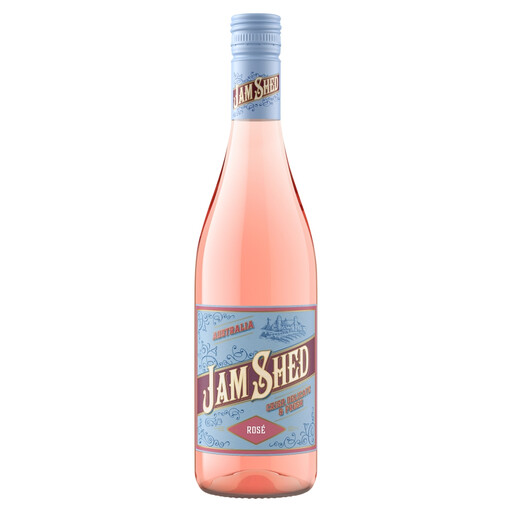
Why This Fits Their Persona: This is an ideal choice for social gatherings where you need a crowd-pleasing, uncomplicated wine. Its juicy, fruit-forward profile is accessible and pairs well with a wide range of BBQ foods, from grilled chicken to salads.
It sidesteps the "pale is premium" myth by proudly offering a flavour-packed, juicy profile that prioritises enjoyment over a specific shade of pink.
Full of fresh summer berry and cream notes. An approachable, off-dry style that appeals to a broad range of palates.
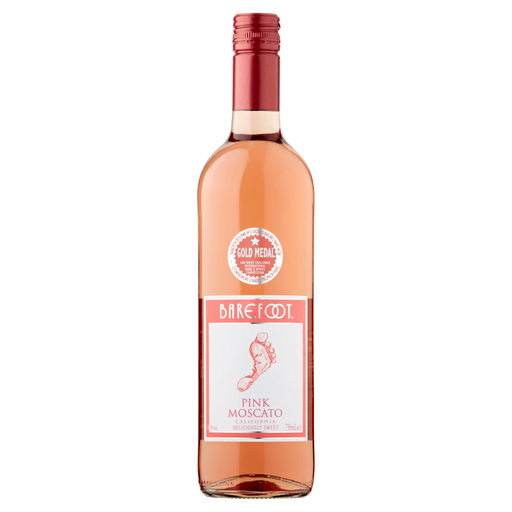
Why This Fits Their Persona: For those who genuinely enjoy a sweeter wine, Pink Moscato is a perfect fit. It's light, slightly fizzy and packed with sweet fruit flavours, making it a great choice for sipping on its own or with spicy food or dessert.
This wine directly solves the "fruity vs. sweet" confusion. As a Moscato, its profile is unapologetically sweet, ensuring you get exactly what you're looking for.
Delivers a consistently sweet and enjoyable experience. Lower in alcohol (9% ABV) than many dry wines, making it a lighter option.
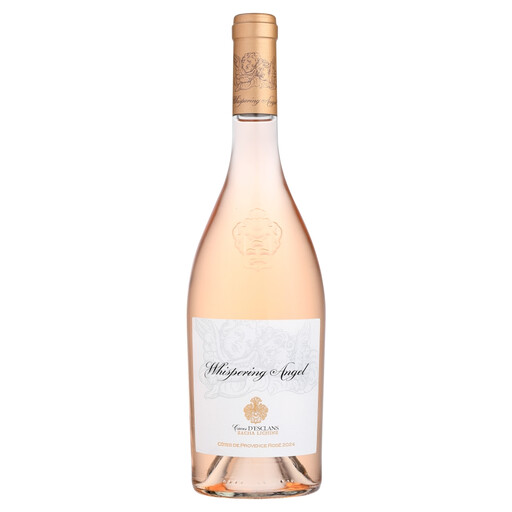
Why This Fits Their Persona: For those seeking the quintessential dry, elegant Provence rosé experience for a dinner party or as a gift, Whispering Angel is a reliable and well-regarded choice. It delivers the crisp acidity and subtle red berry notes that define this premium style.
While it is a popular brand, it avoids the "hype" trap by being a benchmark for its category. It delivers the exact flavour profile that many people are looking for when they seek out a premium French rosé.
A classic example of the Provence style. Crisp, refreshing and versatile for pairing with food, from seafood to light salads.
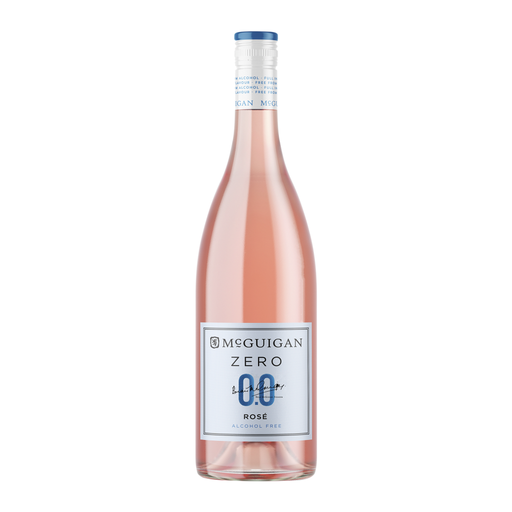
Why This Fits Their Persona: This is an excellent choice for anyone looking for a sophisticated, non-alcoholic alternative. It allows you to enjoy the ritual and flavour profile of a rosé wine at any social occasion without the alcohol.
It directly serves the need for an alcohol-free option, avoiding any confusion with low-alcohol products. It uses modern technology to retain varietal character.
Completely alcohol-free (0.0% ABV). It is also suitable for vegans and contains no artificial sweeteners, offering a clean taste.
We have compiled a complete, real-time list of products that fully satisfy these strict selection criteria and UK safety regulations.
Yes, absolutely. Chilling rosé is essential to lift its delicate aromas and enhance its refreshing qualities. The ideal serving temperature is between 8-12°C. A warmer temperature can make the wine seem flat and overly alcoholic, while serving it too cold can mute its flavours. Pop it in the fridge for a few hours before serving for optimal enjoyment.
Once opened, a bottle of rosé wine should last for about 3 to 5 days if sealed properly with a stopper and stored in the refrigerator. The cold temperature slows down the oxidisation process, which is what causes wine to lose its fresh fruit flavours and develop undesirable nutty or bruised-apple notes. Sparkling rosé will lose its fizz more quickly, usually within 1 to 3 days.
This is a common point of confusion. Rosé is a broad category of wine, defined by its pink colour, which is achieved by allowing red grape skins to have brief contact with the juice. It can be made from any red grape, in any country and can be dry, off-dry or sweet. White Zinfandel is a specific type of rosé wine made from the Zinfandel grape, almost exclusively in California. It is typically made in a medium-sweet style, which is why the name has become synonymous with a sweeter pink wine. In short, all White Zinfandel is rosé, but not all rosé is White Zinfandel.