
24/7 Customer Support

Free returns

Same-day & Next-day Delivery

Quality Guaranteed

Unlock Your Welcome Offers: FREE Delivery | Up to 80% OFF | Free 30-day JoyPlus trial
Download the APP
As a Joybuy Product Recommendation Officer, my role is to help you navigate the crowded shelves and find products that genuinely suit your needs. When it comes to rosé wine, the choices can be overwhelming. From the palest pinks of Provence to the vibrant hues of a Spanish Rosado, it's easy to feel lost. Many shoppers fall into common traps, often swayed by marketing rather than substance. This guide will help you understand the key factors to consider, ensuring your next bottle of pink wine is a perfect match for your palate and occasion.
Before we explore our recommendations, let's look at two frequent mistakes that can lead to a disappointing purchase.
To choose with confidence, focus on these two non-negotiable characteristics. They will tell you more about the wine in your glass than the colour or the shape of the bottle.
The level of residual sugar is the most critical factor in determining a rosé's style.
The presence of bubbles completely changes the character and ideal occasion for a rosé.
Instead of a generic list, we've matched some standout options to specific needs and preferences, helping you find the right bottle for the right moment.
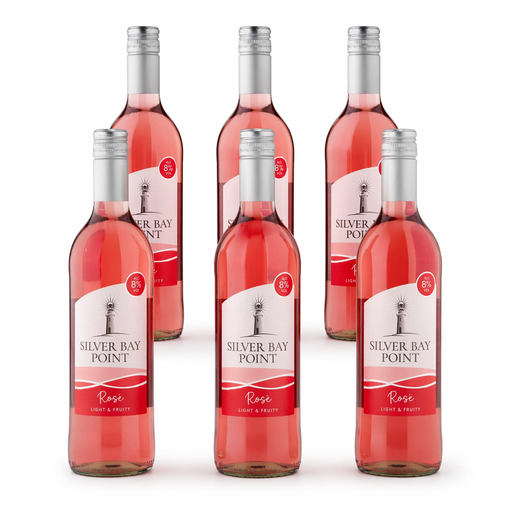
Why This Fits Their Persona: For anyone hosting a party, BBQ or simply wanting to stock up, this rosé wine case offers fantastic value. It's a crowd-pleasing, easy-drinking British wine designed for casual enjoyment and sharing with friends, without a hefty price tag.
It sidesteps the "pale is premium" trap by being an unapologetically light and fruity wine focused on accessibility, not on imitating a pricey Provence style. Its purpose is clear: simple, sociable enjoyment.
Excellent value when purchased as a case. Its light, subtly sweet profile makes it a versatile choice that will appeal to a wide range of guests.
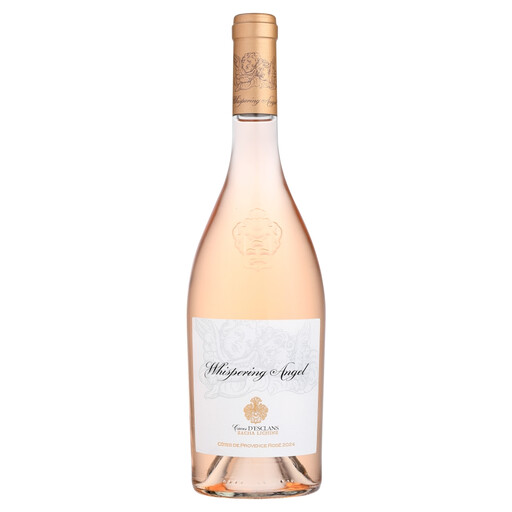
Why This Fits Their Persona: For those who appreciate the finer things and want a sophisticated, dry rosé for a nice meal or a quiet evening. This is the benchmark for Provence rosé, known for its consistent quality and elegant profile.
This wine clarifies the "fruity vs. sweet" confusion. It offers vibrant red berry and citrus notes on the nose and palate, but the finish is crisp, mineral and distinctly dry, demonstrating what a high-quality dry rosé should taste like.
A classic, iconic example of a premium dry rosé wine. It has a well-balanced profile with refreshing acidity that makes it an excellent food-pairing wine.
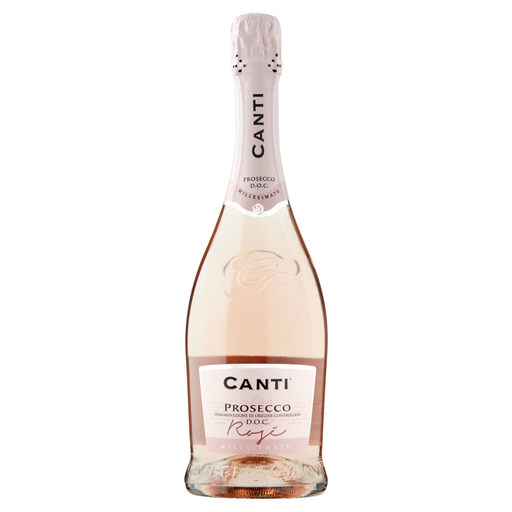
Why This Fits Their Persona: Perfect for someone looking to add a touch of sparkle to an aperitif, brunch or celebration. This Prosecco Rosé offers the fun of fizz with the appealing fruit character of a rosé, making it a modern and stylish choice.
This wine helps buyers move beyond a generic "rosé" search by fulfilling a specific need for a sparkling rosé. It shows that you don't need to spend a fortune on Champagne to get quality bubbles for a special moment.
It combines the immense popularity of Prosecco with the charm of rosé. Features fine, persistent bubbles and fresh aromas of wild berries and flowers.
We have compiled a complete, real-time list of products that fully satisfy these strict selection criteria and UK safety regulations.
This is a common point of confusion. Rosé is a broad category of wine made from many different red grape varieties in various styles, ranging from very dry to sweet. White Zinfandel, on the other hand, is a specific type of rosé made from the Zinfandel grape, almost exclusively in California. It is typically off-dry or sweet, with prominent flavours of strawberry and melon. So, all White Zinfandel is a rosé, but not all rosé is a White Zinfandel.
Yes, absolutely. Serving rosé chilled is essential to enjoying its intended character. Chilling lifts the wine's aromas, enhances its refreshing acidity and makes it feel crisp on the palate. For most still and sparkling rosé, the ideal serving temperature is between 7-13°C. A good rule of thumb is to place it in the refrigerator for a few hours before serving.
Once opened, a bottle of rosé wine should be re-sealed tightly (with its cork or a wine stopper) and stored in the refrigerator. A still rosé will typically stay fresh for 3 to 5 days. Its vibrant fruit notes will start to fade after the first couple of days, but it will remain perfectly drinkable. A sparkling rosé will lose its carbonation much faster, usually within 1 to 3 days, even with a proper sparkling wine stopper. It's always best to enjoy it as fresh as possible.