
24/7 Customer Support

Free returns

Same-day & Next-day Delivery

Quality Guaranteed

Unlock Your Welcome Offers: FREE Delivery | Up to 80% OFF | Free 30-day JoyPlus trial
Download the APP
As the days get longer and thoughts turn to garden parties, barbecues and relaxed evenings, a bottle of chilled rosé wine often comes to mind. Yet, the expanding shelves of pink-hued drinks can be confusing. From pale Proven?al bottles to vibrant pink gins, choosing the right option can feel like a gamble. Many shoppers find themselves disappointed, having fallen for common marketing tactics or misunderstood the label.
This guide, from your Joybuy Product Recommendation Officer, is designed to help you navigate the choices. We will highlight the frequent pitfalls that lead to a poor purchase and break down the key factors to consider, ensuring you find the perfect bottle for your taste, occasion and budget.
Before you add a bottle to your basket, be aware of these common traps that can lead to buyer's remorse:
To make a confident choice, focus on these three practical parameters instead of just the bottle's appearance.
To help you match a bottle to your needs, here are a few recommendations for different types of drinkers and occasions.
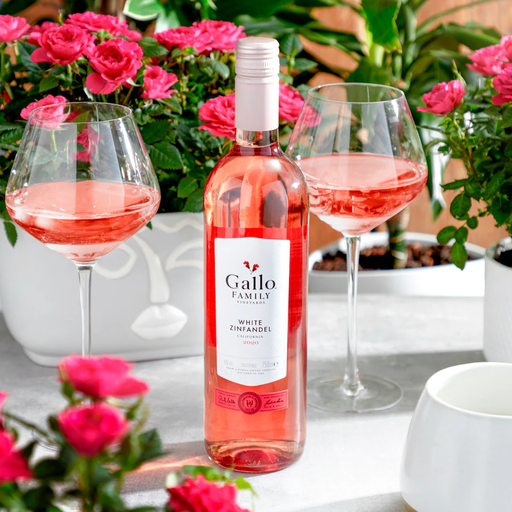
Why This Fits Their Persona: This person needs an affordable, dependable and easy-drinking wine for parties and barbecues that will appeal to a wide range of guests. It's a go-to for stocking up without breaking the bank.
It directly solves the "fruity vs. sweet" confusion. As a classic White Zinfandel, its approachable, slightly sweeter profile is exactly what many casual wine drinkers enjoy, making it a safe and popular choice for hosting.
Great value and consistent quality. It pairs well with a variety of party foods, from grilled chicken to salads. Consider a wine case deal for larger gatherings.
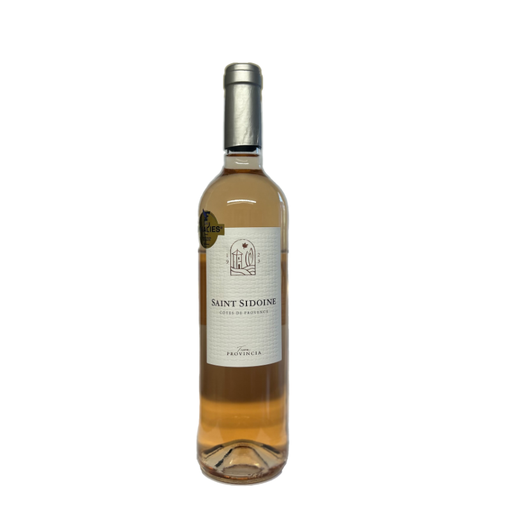
Why This Fits Their Persona: This individual appreciates authenticity and regional character. They are looking for a classic, elegant dry rosé wine for pairing with a meal or enjoying as a sophisticated aperitif.
This wine moves beyond the "pale is premium" myth by offering genuine quality backed by an Appellation Contr?lée (AC) designation. Its pale colour is a hallmark of its authentic Provence rosé style, not just a trend.
It delivers a crisp, vibrant and food-friendly profile with classic notes of strawberry, peach and citrus. An excellent choice for pairing with salads, grilled prawns or soft cheeses.
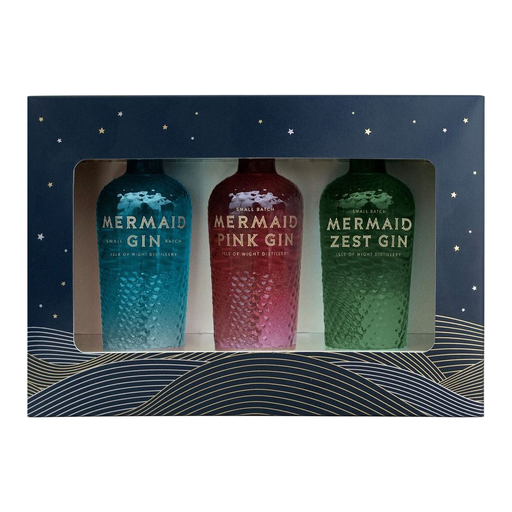
Why This Fits Their Persona: This person is looking for a stylish, contemporary and thoughtful present. They want something that looks impressive and offers a unique experience, moving beyond a single bottle of wine.
It cleverly sidesteps the wine-specific pitfalls by offering a versatile spirit alternative. This pink gin gift set is a safe yet sophisticated choice when you are unsure of the recipient's specific wine preferences.
Beautifully presented in plastic-free packaging, it provides a tasting journey through three different gins, including a pink gin. It's a complete gift that tells a story of craft and coastal flavour.
We have compiled a complete, real-time list of products that fully satisfy these strict selection criteria and UK safety regulations.
1. How long does rosé wine last once opened? Once opened, a bottle of rosé wine should be re-corked or sealed with a wine stopper and stored in the fridge. It will typically stay fresh for 3 to 5 days. Lighter-bodied, crisp styles are best enjoyed within the first 3 days to preserve their delicate aromas and vibrant acidity.
2. Should rosé wine always be served chilled? Yes, absolutely. Serving rosé chilled is essential to its enjoyment. The ideal temperature is between 8-12°C. This brings out the wine's crispness, refreshes the palate and lifts its delicate fruit flavours. If served too warm, it can taste flat and unstructured.
3. What is the difference between rosé wine and pink gin? While they share a similar colour, they are fundamentally different drinks. Rosé wine is made by fermenting grape juice, with the pink colour coming from brief contact with the red grape skins. Pink gin is a spirit, typically distilled from grain, which gets its colour and flavour from an infusion of fruits like strawberries, raspberries or rhubarb after distillation. Wine is enjoyed on its own, while gin is usually served with a mixer like tonic water.