
24/7 Customer Support

Free returns

Same-day & Next-day Delivery

Quality Guaranteed

Unlock Your Welcome Offers: FREE Delivery | Up to 80% OFF | Free 30-day JoyPlus trial
Download the APP
Buying rosé wine online should be straightforward, but attractive labels and vague tasting language can make comparison difficult. A pale bottle is not automatically a dry rosé wine, while a darker pink colour does not necessarily mean a sweet rosé wine. Likewise, a premium-looking presentation may say little about the wine’s style, size or suitability for your occasion.
This guide explains the practical details worth checking before you buy, then matches a selection of wines to different UK shopping needs.
Rosé can range from very dry and crisp to noticeably sweet and fruity. Colour is influenced by grape variety, skin contact and winemaking, so it is not a dependable sweetness guide. Check the product description for terms such as dry, off-dry, sweet, fruity or semi-sparkling.
If you prefer a refreshing wine with seafood, salads or Mediterranean dishes, a dry or crisp style may suit you. Those who enjoy softer fruit flavours may prefer a sweet rosé wine, Pink Moscato or a lightly sparkling Portuguese rosé.
A bottle labelled rosé may be still, gently fizzy or fully sparkling. Sparkling rosé wine, Prosecco rosé and rosé Champagne are designed for different occasions and serving expectations.
Check for terms including:
A standard 75cl rosé wine bottle provides approximately six 125ml glasses, depending on serving size. That can be useful for hosting, but less practical when one or two people want to enjoy a bottle gradually. A 187ml bottle can reduce waste and is convenient for picnics, individual servings or smaller gatherings.
Also check whether the bottle is sold individually or as a multipack. A six-bottle case may offer convenience for entertaining, but only makes sense if the style suits your regular drinking occasions.
Rosé commonly ranges from lighter styles around 9% ABV to fuller wines around 13% ABV. The product page should show alcohol percentage and, ideally, UK units per bottle. For example, a 12.5% ABV 75cl bottle contains around 9.4 units, while a 9% bottle contains fewer.
The UK Chief Medical Officers advise adults not to regularly exceed 14 units per week. Drink responsibly, never drink and drive, and avoid alcohol during pregnancy. All wines listed here are for adults aged 18 and over.
Wine commonly contains sulphur dioxide or sulphites, which must be declared when present above the applicable threshold. Check the allergen section before ordering, particularly if you have a known sensitivity.
Vegetarian and vegan suitability can vary because fining agents may differ between wines. Do not assume that every rosé is suitable for a particular diet; use the product listing and bottle label as your reference.
Most still rosé is more refreshing when served chilled, generally around 6–10°C depending on the style. Sparkling wines are commonly served at approximately 6–8°C. Store unopened bottles away from direct sunlight and heat. Once opened, reseal still wine and refrigerate it, then follow the product guidance for drinking within the recommended period.
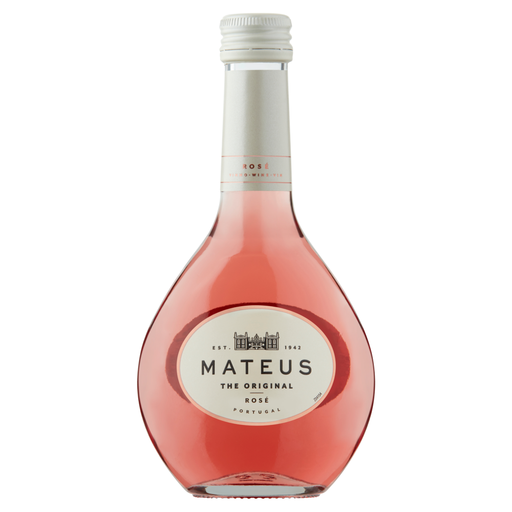
Why This Fits Their Persona: The smaller bottle offers a practical way to try Portuguese rosé without committing to a full 75cl bottle. Its 11% ABV and suggested chilled serving make it suitable for casual meals, picnics or a single-serve occasion.
The 187ml format avoids unnecessary waste and makes the serving size clear. It is described as fresh, fruity and slightly fizzy rather than being mistaken for a fully sparkling wine.
Small format; 11% ABV; suitable for aperitifs, barbecues, salads, shellfish and Asian-inspired food.
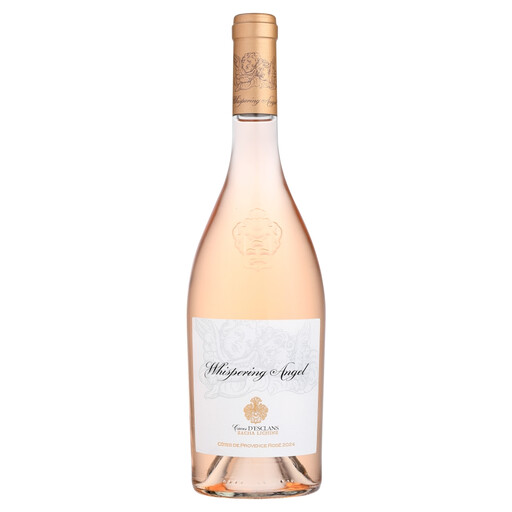
Why This Fits Their Persona: This Provence rosé is suited to shoppers seeking a recognised French style for dinner parties, gifting, terrace meals or a more considered bottle selection.
The product information identifies its Provence origin, 13% ABV, 75cl format and sulphite allergen, allowing a more informed comparison than appearance alone.
Pale pink Provence style; notes of red berries, citrus and floral nuances; suitable for salads, seafood, chicken and soft cheeses.
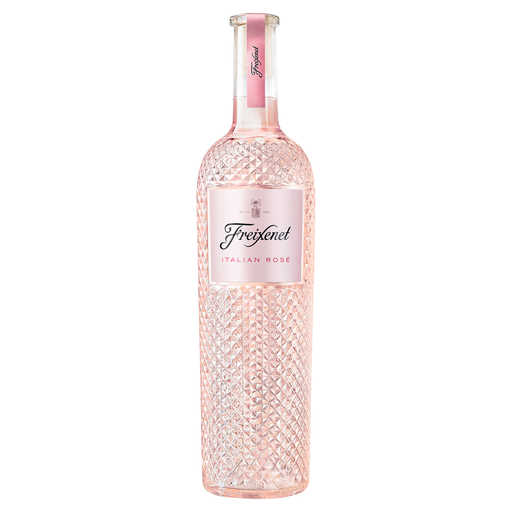
Why This Fits Their Persona: A sparkling Italian rosé for brunches, birthdays, informal celebrations and aperitif service when bubbles are part of the occasion.
The listing clearly identifies it as sparkling, with Glera and Pinot Noir grapes, rather than leaving shoppers to infer the style from the pink colour.
11% ABV; Veneto origin; strawberry and raspberry notes; serve chilled at 6–8°C.
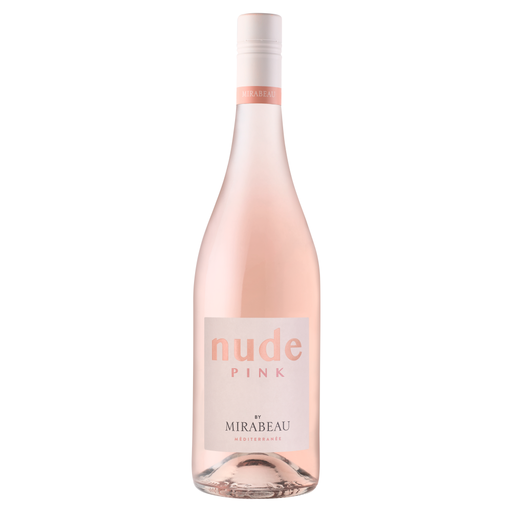
Why This Fits Their Persona: This French rosé wine offers a flexible 75cl format for weekday dinners, family gatherings and casual gifting, with red berry and citrus descriptions.
The product page states the bottle size, 12.5% alcohol content and sulphite allergen, helping shoppers compare practical details before focusing on the label design.
French origin; 75cl bottle; fresh red berry and citrus notes; described as food-friendly.
We have compiled a complete, real-time list of products that fully satisfy these strict selection criteria and UK safety regulations.
The wider range includes options from several regions and flavour profiles. Look for South African rosé and other wines from the Western Cape if you prefer to explore beyond European bottles. Portuguese rosé can offer a light, fresh style, while Argentine, Chilean and Australian examples may feature more pronounced berry fruit.
For a sweeter profile, Pink Moscato is worth comparing with a dry rosé wine rather than treating all pink wine as interchangeable. For gifting, consider presentation and occasion: a bottle of rosé Champagne suits formal celebrations, while a six-bottle case may be more practical for a larger summer gathering.
It can be either. Check the product description for sweetness terms and tasting notes. Strawberry and raspberry flavours do not automatically mean the wine contains significant residual sugar.
Most rosé is more enjoyable chilled. Still styles are commonly served cold, while sparkling rosé wine and Prosecco rosé are generally served at around 6–8°C. Follow the product label where a specific serving recommendation is provided.
For the freshest flavour, reseal opened rosé, refrigerate it and follow the product guidance. Many still wines are best consumed within a few days, while sparkling wine may lose its bubbles sooner. Check the label and avoid relying solely on the bottle’s unopened shelf life.