
24/7 Customer Support

Free returns

Same-day & Next-day Delivery

Quality Guaranteed

Unlock Your Welcome Offers: FREE Delivery | Up to 80% OFF | Free 30-day JoyPlus trial
Download the APP
As a Joybuy Product Recommendation Officer, my role is to help you navigate the crowded shelves and find products that genuinely suit your needs. When it comes to rosé wine, the choices can be overwhelming. From the palest blush to a vibrant ruby, this popular pink wine offers a style for every palate, but marketing hype can often lead to disappointing purchases. This guide will help you understand the key differences and select a bottle you’ll truly enjoy.
Many of us have been there: you pick a bottle based on its beautiful colour or an impressive-looking label, only to find it’s not what you expected. Here are a few common traps to avoid.
To ensure you get a bottle you love, focus on these three practical characteristics rather than just the label design.
This is the most important factor for most drinkers. A dry rosé wine will have no perceptible sweetness and a crisp, refreshing finish. These are classic food-pairing wines. In contrast, a sweet rosé wine will have noticeable sugar, making it feel richer and fruitier.
Are you looking for a classic still wine for dinner or something with fizz for a celebration? The choice is simple but crucial.
The grape variety and where it's grown have a huge impact on the final taste. You don't need to be an expert, but knowing a few basics helps.
Based on these practical considerations, here are a few recommendations matched to different tastes and occasions.
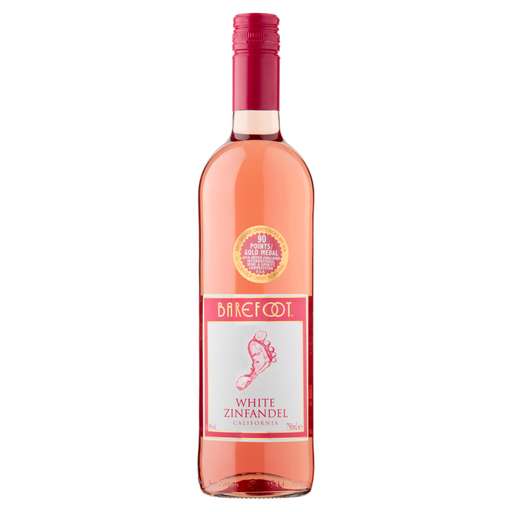
Why This Fits Their Persona: This is a go-to choice for those in the UK who want a reliable, easy-drinking and slightly sweeter wine for casual evenings or relaxed get-togethers. It's uncomplicated and consistently delivers a crowd-pleasing taste.
It sidesteps the "fruity vs. sweet" confusion by being exactly what it promises: a fruit-forward wine with noticeable sweetness. There are no surprises here, making it a dependable purchase.
A classic American White Zinfandel style with a lower ABV (8%), making it a lighter option. It's a reliable choice for daily meals and casual snacking.
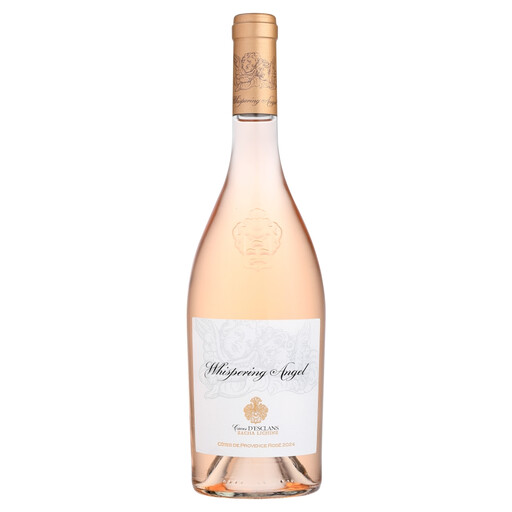
Why This Fits Their Persona: For those seeking a premium, classic dry rosé wine to serve at dinner parties or enjoy on a special occasion. It's an iconic wine that represents the elegant Proven?al style popular in the UK.
While it has the fashionable pale colour, it avoids the "pale is premium" trap by delivering genuine quality and complexity. Its reputation is built on taste, not just appearance.
A benchmark Provence rosé with a crisp, refreshing palate, balanced acidity, and notes of red berries and citrus. It's a versatile food wine that pairs well with salads, seafood and chicken.
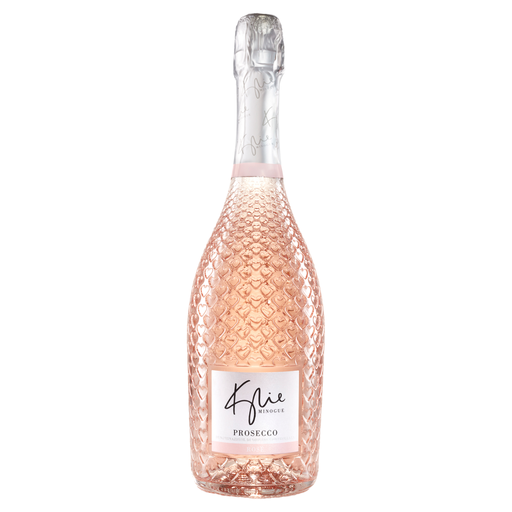
Why This Fits Their Persona: This is for the social butterfly looking for a fun, celebratory fizz. It's a popular and stylish choice for brunches, parties or as a gift, offering the joy of bubbles with a modern twist.
It avoids regional confusion by clearly identifying as a Prosecco Rosé. This sets a clear expectation for an Italian sparkling wine made from Glera and Pinot Noir grapes, distinct from Cava or Champagne.
This sparkling rosé offers an invigorating bouquet of strawberries and raspberries with a fine, crisp palate. It's a well-regarded choice designed to elevate any social moment.
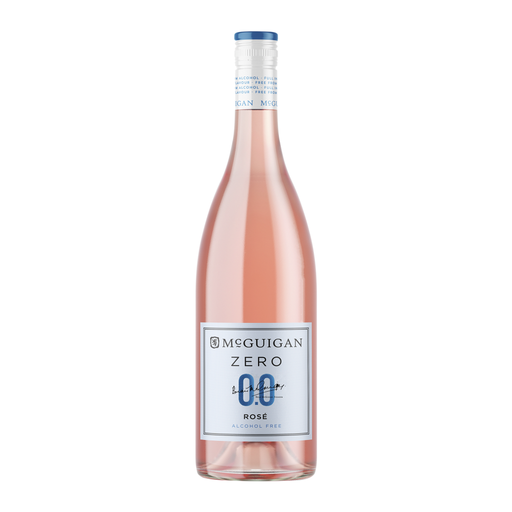
Why This Fits Their Persona: An excellent choice for anyone in the UK looking to enjoy the social aspect and flavour profile of wine without the alcohol. It's perfect for designated drivers, those moderating their intake or for any occasion.
This product directly serves a specific need, avoiding any ambiguity. It is clearly labelled as an alcohol-free rosé, ensuring buyers know exactly what they are getting (0.0% ABV).
It uses spinning cone technology to gently remove the alcohol, which helps to preserve the wine's original delicate fruit flavours and characteristics. It's also suitable for vegans.
We have compiled a complete, real-time list of products that fully satisfy these strict selection criteria and UK safety regulations.
All White Zinfandel is a type of rosé wine, but not all rosé is White Zinfandel. "Rosé" is a broad category of wine made from many different red grapes in various styles. White Zinfandel is a specific style of rosé made from the Zinfandel grape, almost always in a medium-sweet style and is most famously produced in California.
Yes, absolutely. Chilling rosé wine enhances its refreshing qualities and lifts its delicate fruit and floral aromas. For most still and sparkling rosé, the ideal serving temperature is between 6–10°C. A good rule of thumb is to put it in the fridge for a few hours before serving.
Once opened, a bottle of rosé wine 75cl should be re-sealed tightly (with a cork or wine stopper) and stored in the refrigerator. It will generally stay fresh for 2-3 days. After this, it will start to lose its vibrant fruit flavours as it oxidises, though it will still be safe to drink for a bit longer. Sparkling rosé will lose its fizz much faster, usually within a day.