
24/7 Customer Support

Free returns

Same-day & Next-day Delivery

Quality Guaranteed

Unlock Your Welcome Offers: FREE Delivery | Up to 80% OFF | Free 30-day JoyPlus trial
Download the APP
A rotary tool kit can cover engraving, sanding, polishing, drilling, grinding and light cutting in one compact package. However, the wide range of motors, accessories and power systems makes comparison less straightforward than it first appears.
A small cordless pen may suit model making or 3D printer finishing, while a corded multi-function rotary tool is more appropriate for repeated grinding or cutting. Some products described as rotary cutters are also designed mainly for fabric, cardboard, leather and carpet rather than precision rotary-tool work. Understanding that difference can prevent an expensive mismatch.
A high RPM figure does not automatically mean better results. Delicate engraving and plastic work generally require controlled, lower speeds, while cutting or grinding may need more rotation. A variable speed rotary tool gives you more practical control than a single-speed model, particularly when working with different materials.
Also check whether the advertised speed is a no-load maximum. The tool may rotate more slowly once pressure is applied to the workpiece.
Rotary tool accessories are not universally interchangeable. Common collet sizes include 2.3mm, 2.35mm, 2.4mm and 3.2mm, and a bit must match the collet securely. A kit with dozens of attachments may offer less value if replacement bits in the required size are difficult to source.
Check the included collets, the accessory diameter and whether the manufacturer lists compatible replacement parts before buying.
A rechargeable rotary tool is convenient for occasional craft work, but battery runtime may limit longer sessions. Cordless models also need charging time and may not provide the same sustained output as a corded tool.
Conversely, a corded DIY rotary tool needs a suitable UK socket and enough cable length for your workspace. Before choosing, consider whether portability or uninterrupted operation matters more for your projects.
For engraving, polishing and detail work, gradual adjustment is easier to manage than abrupt speed changes. Look for a tool with a clearly marked speed dial or several defined settings.
For example, the Mijia Rotary Tool Kit lists a no-load speed range of 15,000–22,000 RPM, while the Silverline 135W Multi-Function Rotary Tool covers 8,000–33,000 RPM. The HYCHIKA set extends from 8,000–35,000 RPM across six speeds. These ranges indicate flexibility, but the correct setting still depends on the bit, material and pressure applied.
Wattage is most useful when considered alongside the intended task. A compact engraving tool may prioritise low weight and handling, whereas a grinding and polishing tool used on metal or wood may benefit from a higher-powered motor and ventilation.
Do not use a lightweight pen-style tool for tasks beyond its instructions. Likewise, a powerful corded tool may be unnecessarily cumbersome for sewing, model making or occasional craft projects.
For a cordless rotary tool, check battery capacity, stated runtime and charging connection. USB-C charging is convenient for home workstations, power banks and compatible vehicle chargers, but charging times and power requirements still vary.
Inspect the supplied charger or cable instructions, avoid using damaged batteries and follow the manual’s storage guidance. For corded products, check the voltage, plug type and product documentation before operation. Any tool should be used with appropriate eye protection, and dust protection or hearing protection where the task requires it.
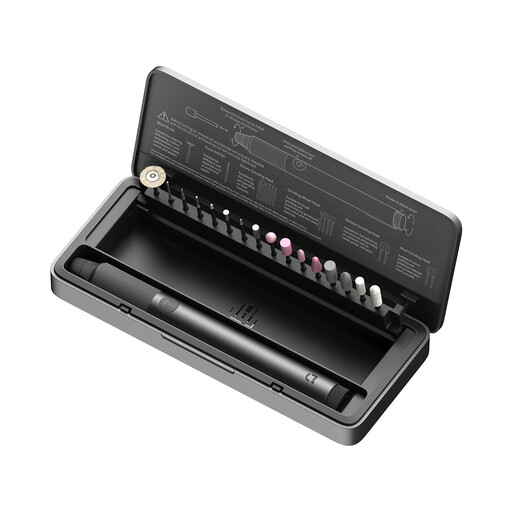
Why This Fits Their Persona: A compact option for beginners, crafters and home users who want engraving, grinding, polishing and drilling functions without a large workshop tool.
The kit specifies a 2.35mm collet, 16 bits and a 15,000–22,000 RPM speed range, making the operating limits and accessory fit clearer than a vague multi-purpose listing.
Dual battery or plug-in use; approximately 310g case weight; USB-C charging and a storage case.
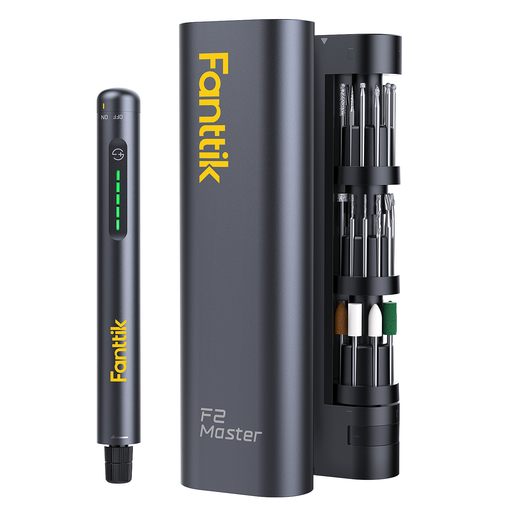
Why This Fits Their Persona: Its compact format suits makers who value tidy storage, low weight and precise control for 3D printing, model finishing and detailed crafts.
The product clearly states its 3/32-inch, approximately 2.3mm accessory compatibility instead of implying that every rotary tool bit will fit.
Five speed settings up to 25,000 RPM; 35 organised accessories; USB-C charging and a front LED light.
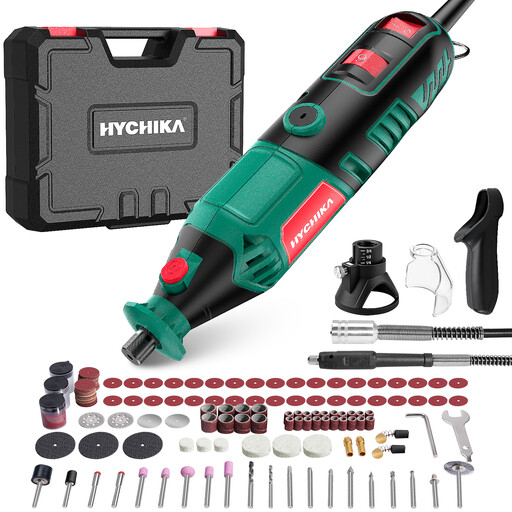
Why This Fits Their Persona: A corded setup for frequent DIY users handling cutting, carving, drilling, deburring, sharpening, grinding and polishing around the home or workshop.
Its 170W motor, six speed settings and stated 1m flexible shaft provide useful specifications for assessing sustained, detailed work rather than relying on accessory count alone.
8,000–35,000 RPM range; 173 accessories; flexible shaft and replaceable motor brushes.
We have compiled a complete, real-time list of products that fully satisfy these strict selection criteria and UK safety regulations.
Before use, secure the workpiece, insert the accessory fully and tighten the collet. Disconnect the tool before changing bits. Wear safety glasses and use a dust mask or hearing protection when the material or noise level requires it. Keep rotating parts away from loose clothing and work in a dry, ventilated area.
Cordless tools avoid cable-related interruptions but need periodic charging and eventual battery replacement. Corded models generally provide longer working sessions, although electricity use, workspace access and storage should be considered. Accessories are a recurring cost, so a kit with commonly available replacement bits may be more practical than one containing a larger selection of specialist attachments.
Some rotary tool kits accept cutting discs, but fabric and leather are often better suited to a dedicated electric rotary cutter or manual rotary cutter. Check the manufacturer’s stated materials and blade design rather than assuming a grinding accessory will produce a clean textile cut.
Runtime varies according to speed, material, pressure and accessory. The Mijia kit states approximately 60 minutes, while the GARTOL cordless cutters state up to two hours of continuous cutting. These figures should be treated as usage guidance, not a guarantee for every task.
No. Match the accessory shank to the tool’s collet size and do not exceed the bit’s permitted speed. A 2.3mm or 2.35mm accessory may not fit a 3.2mm collet securely without the correct compatible arrangement. Always check the manual before fitting alternatives.