
24/7 Customer Support

Free returns

Same-day & Next-day Delivery

Quality Guaranteed

Unlock Your Welcome Offers: FREE Delivery | Up to 80% OFF | Free 30-day JoyPlus trial
Download the APP
Navigating the world of Asian sweets can be a delightful journey, but when you decide to buy mochi online, it’s easy to feel a bit lost. The promise of soft, chewy glutinous rice cakes with luscious fillings is tempting, but not all products deliver. As the Joybuy Product Recommendation Officer, my role is to help you sidestep common shopping pitfalls and find the perfect pack of Royal Family Mochi that meets your expectations.
Many shoppers in the UK have been disappointed by two main issues:
Let's break down what to look for to ensure you get the authentic experience you're paying for.
To avoid disappointment, focus on a couple of key product details. These are the non-negotiable factors that separate a satisfying mochi from a subpar one.
The signature chewiness of mochi comes from its main ingredient: glutinous rice. When looking at the ingredient list, you should see "glutinous rice" or "glutinous rice flour" listed prominently. This is what creates the soft, springy texture known as "Q" in many parts of Asia. Another key ingredient to look for is maltose, a type of syrup that contributes to the mochi's characteristic chewiness and subtle sweetness, while also acting as a natural preservative. Products that rely heavily on other starches or fillers may not provide the authentic texture.
The heart of any mochi is its filling. Whether you prefer traditional red bean mochi or modern fruit mochi, the quality is in the details.
Checking these details helps you move past the marketing and understand what you are actually purchasing.
To make your choice easier, here are a few Royal Family Mochi options, matched to different taste profiles.
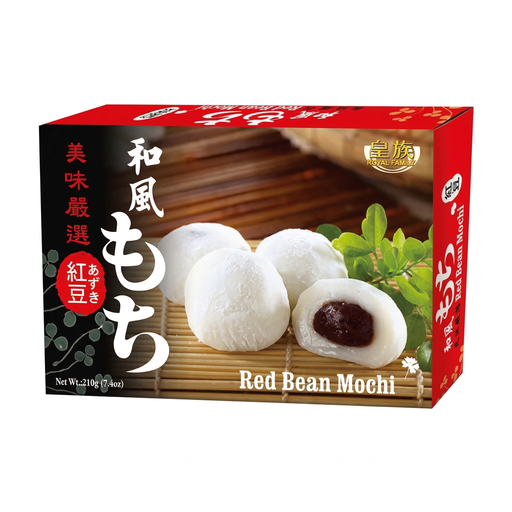
Why This Fits Their Persona: For those in the UK who appreciate classic Japanese mochi, this is a straightforward choice. It focuses on the timeless combination of a soft, chewy skin and a sweet, earthy red bean filling, making it a perfect companion for a cup of green tea.
It sidesteps the "flavour fa?ade" by using an authentic red bean paste as the filling, ensuring a genuine taste rather than an artificial approximation.
The use of glutinous rice and maltose syrup delivers the classic soft and chewy texture. Individually packaged for convenience and freshness.
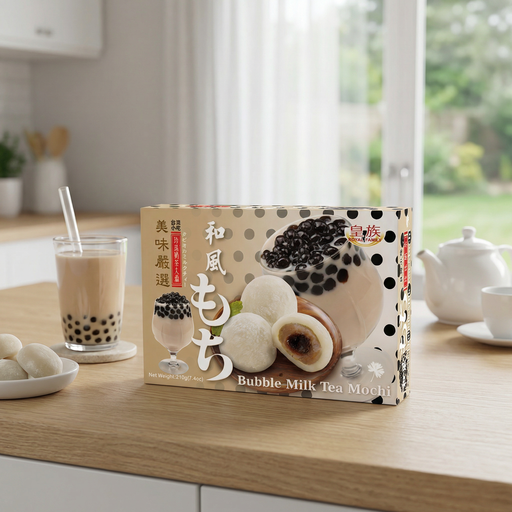
Why This Fits Their Persona: This is for the trend-aware foodie who loves discovering unique Taiwanese snacks. It captures the globally popular flavour of bubble milk tea in a bite-sized, shareable format, offering a novel snacking experience.
Instead of just "tea flavouring," the ingredient list specifies a "Bubble Milk Tea Paste" containing sword bean paste, butter and black tea powder, promising a more complex and authentic flavour profile.
A unique fusion flavour that stands out from traditional options. The combination of glutinous rice and trehalose ensures a satisfyingly chewy texture.
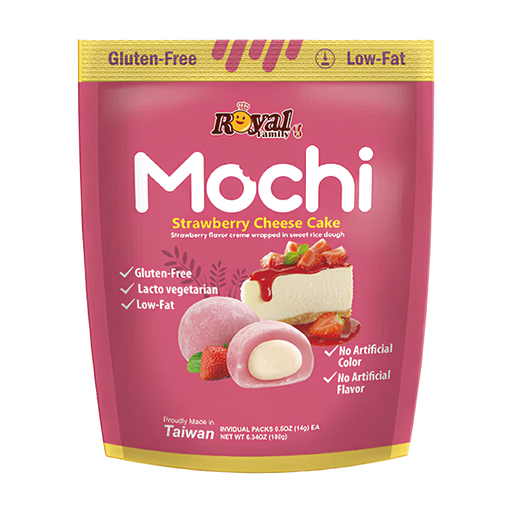
Why This Fits Their Persona: This is ideal for someone who loves Western desserts like cheesecake but is curious to try them with an Asian twist. It offers a familiar, creamy flavour profile wrapped in the unique, chewy texture of mochi.
It avoids the texture trap by being designed as a frozen product. Thawing it briefly before eating ensures the intended soft and chewy consistency, preventing the firmness that can affect some ambient mochi.
A creative fusion of a popular dessert with a traditional snack. The filling uses cheese powder and strawberry powder for a more authentic flavour experience.
We have compiled a complete, real-time list of products that fully satisfy these strict selection criteria and UK safety regulations.
Storage instructions can vary by product, so it's important to check the packaging. Most shelf-stable mochi should be kept in a cool, dry place away from direct sunlight and consumed soon after opening. Some varieties, particularly those with creamy or cheesecake-style fillings, are sold frozen and should be kept at -18°C. These often require a brief 10-15 minute thaw at room temperature to achieve the ideal soft and chewy texture.
Authentic Japanese-style mochi should have a very distinct texture. The outer layer, made from glutinous rice, should be soft, slightly elastic and pleasantly chewy. It should not be tough, hard or overly gummy. The filling provides a contrast, which can range from a smooth paste (like red bean) to a creamy centre. The overall experience is a soft, pillowy bite.
This depends entirely on the specific flavour. Many traditional mochi are plant-based, but it's crucial to check the ingredients and allergen information on the product page. Some fillings may contain milk, butter or cream (e.g., Bubble Tea, Milk, Tiramisu flavours). Additionally, some products use beef-derived gelatin as a stabiliser. Always verify the "Allergens" section for each product before purchasing.