For PC strategy games in a bright room, a 27-inch QHD anti-glare IPS monitor is a sensible starting point if its SDR brightness and reflection handling suit your lighting. Check those results for the exact model before choosing: an HDR brightness figure alone cannot tell you whether maps and interface text will remain easy to see beside a window.
Who needs what from the screen?
Bright-room RTS regulars
If you play near windows or under strong room lighting, readable terrain, unit markers and interface text come before an impressive HDR figure. RTINGS explains that both brightness and reflection handling affect visibility in a bright room.
Competitive PC strategy players
If you want room for the map and controls alongside smooth panning, compare QHD resolution, refresh rate, adaptive sync and stand adjustment. Confirm that your PC and connection can run the mode you intend to use.
Premium mixed-use gamers
If the monitor will also serve HDR games, a console or multiple computers, connectivity and HDR features may matter more. They do not replace a check of daytime SDR visibility for RTS play.
What should you check before buying?
Start with the light facing the screen, then decide how much map space and refresh rate your PC needs. Treat HDR and multi-device features as additional requirements, not substitutes for daytime readability.
| Concern | What to check | Who this matters to |
|---|
| Glare and legibility |
Look for independent SDR-brightness and reflection results for the exact model; consider where windows and lamps face the screen. |
When light falls across the battlefield, I need to read unit markers without fighting reflections. Around 36% of consumers put glare and legibility first. |
| Map space and motion |
Compare native resolution, refresh rate and adaptive sync, then check the PC connection and stand adjustment. |
I want space for the map and controls while keeping camera movement smooth on my PC. Around 29% of consumers make that balance their primary concern. |
| HDR and multiple devices |
Check SDR visibility separately from HDR specifications, and confirm the ports and device modes your setup requires. |
If the same screen serves HDR games and several devices, I need those connections to work without sacrificing everyday RTS visibility. These features come first for around 21% of consumers. |
| Value-led QHD choice |
Check bright-room performance, stand adjustment and the supported refresh rate rather than choosing by the QHD label alone. |
I want QHD workspace without making premium HDR features my priority, but I still need to see the screen clearly. Around 14% of consumers put this value-led choice first. |
Buying pitfalls
-
Choosing by the HDR label alone
HDR peak brightness describes a different condition from ordinary SDR desktop use. RTINGS notes that brightness helps combat glare, while reflections can still interfere with visibility.
Compare SDR brightness and reflection handling for the exact monitor, then consider its position relative to windows and lamps.
-
Treating a rated brightness figure as a room-lighting test
A manufacturer's typical brightness specification does not establish how distracting a reflected window will be during play.
Use the rating to narrow your choices, then look for independent brightness and reflection measurements of the exact model.
-
Overlooking the PC connection
A monitor's stated resolution and maximum refresh rate do not mean your PC will deliver your preferred game settings through every port and cable.
Check the graphics-card output, monitor input, cable and expected game frame rate before choosing a high-refresh or 4K display.
-
Leaving the old monitor without a disposal plan
Replacing a monitor leaves electrical equipment to reuse or recycle. GOV.UK describes retailer take-back responsibilities for electrical waste of the same type as an item purchased.
Check the seller's take-back instructions before ordering and arrange an appropriate route for the old screen.
Relevant brands to consider
ASUS
Its cited UK specifications include a 27-inch QHD anti-glare Fast IPS model and a separate high-refresh QD-OLED model.
- ASUS lists the TUF Gaming VG27AQL3A with an anti-glare surface, 350 cd/m² typical brightness and a maximum 180Hz refresh rate.
- For an OLED displaying long-lived RTS interface elements, check the exact screen finish and panel-care guidance. ASUS describes OLED Care+ as reducing burn-in risk, not eliminating it.
AOC / AGON
AOC's cited Q27G42XNE specifications provide an example of a 27-inch QHD Fast VA gaming monitor.
- AOC UK lists a 180Hz refresh rate and Adaptive Sync for this model.
- Check SDR brightness, reflections and stand adjustment for the exact monitor before selecting it for a bright room.
BenQ MOBIUZ
The cited EX321UX specifications are relevant if the desk also needs a larger 4K HDR display and multiple connections.
- BenQ lists a 32-inch 4K Mini LED display with 1,152 local-dimming zones, 1,000-nit HDR peak brightness, USB-C and KVM.
- Its HDR peak figure does not establish SDR visibility or reflection handling in a bright room; 4K also increases the graphics workload relative to QHD.
Joybuy monitors for these setups
These monitors offer different combinations of screen size, resolution and gaming features for an RTS setup. Before choosing one for a bright room, compare reflection handling and SDR brightness for that exact model; an anti-glare label or brightness rating alone is not a room-lighting test.
 No image available
HKC G27H2DPro 27-inch QHD Fast IPS monitor
Consider this 2560 × 1440, 220Hz model if QHD map space and high refresh rate are priorities. Its listed glossy finish makes reflection handling especially important to check where a window or lamp faces the screen.
View on Joybuy
 No image available
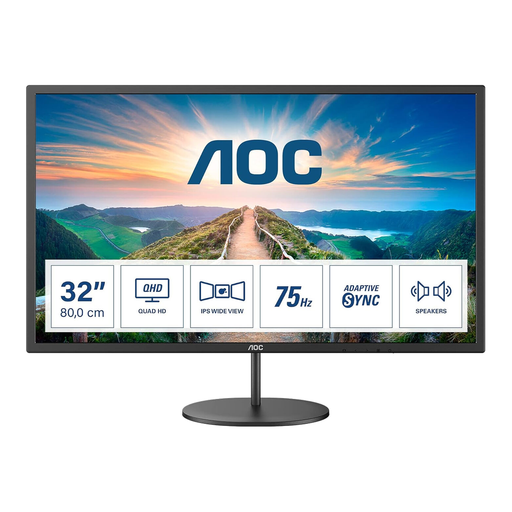
AOC Q32V4 31.5-inch IPS monitor with Adaptive Sync
Consider the larger screen if viewing area matters more to you than a gaming-focused high-refresh specification. Check whether its refresh rate and measured bright-room visibility meet your needs.
View on Joybuy
 No image available
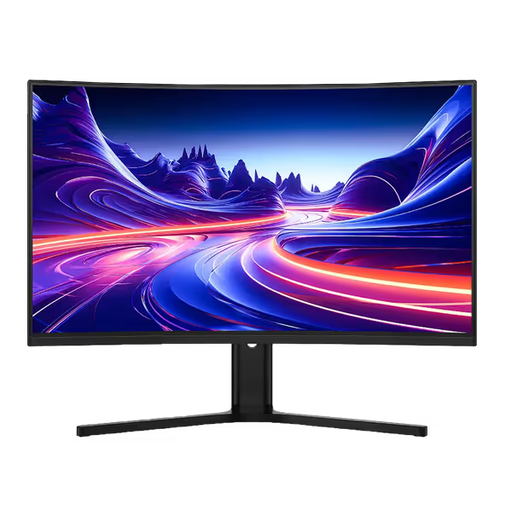
Dahua 32-inch curved QHD 180Hz VA monitor
The larger curved QHD screen may suit a desk where you want more physical display area for RTS play. Check measured reflections and SDR brightness before relying on it near strong lighting, and confirm your PC connection supports the mode you want.
View on Joybuy
 No image available
Acer Predator X27U W3 26.5-inch QHD QD-OLED monitor
Consider this 240Hz OLED if high refresh rate is a priority alongside RTS play. Check its screen finish, measured SDR brightness and reflections for your room, and review panel-care guidance if static interface elements will remain on screen for long periods.
View on Joybuy
 No image available
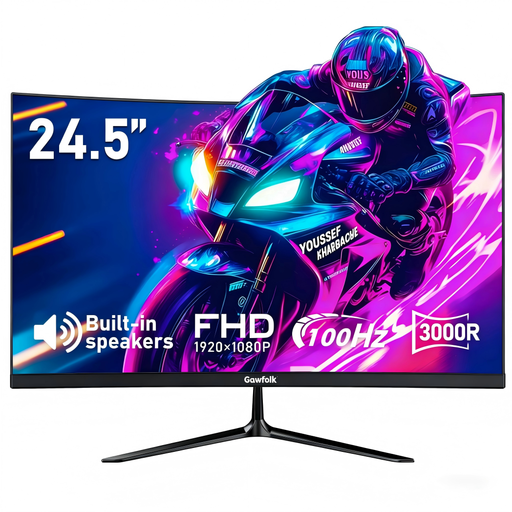
Gawfolk 24.5-inch curved Full HD 100Hz monitor
This smaller Full HD screen is worth considering if it fits your desk and you do not need QHD map detail. The product name describes it as anti-glare, but check reflection handling and SDR brightness for the exact model before choosing it for strong room lighting.
View on Joybuy
Frequently asked questions
Is HDR peak brightness enough for RTS gaming in a bright room?
No. Compare SDR brightness and reflection handling for the exact monitor as well as its HDR capability. RTINGS explains that brightness helps combat glare, but reflected light can still make a screen difficult to see.
Should I choose an anti-glare screen over a glossy one?
If windows or lamps face your RTS monitor, prioritise its measured reflection handling rather than choosing by the finish label alone. RTINGS notes that direct reflections can affect visibility; your screen position matters too.
Do I need a 4K monitor for real-time strategy games?
Not necessarily: QHD is a practical starting point if you want map and interface detail without the greater graphics workload of 4K. Consider 4K if you also want its additional pixels for other uses and your PC can deliver the settings you want.
What should I do with my old monitor when replacing it?
Check the seller's electrical-waste take-back instructions before ordering and arrange an appropriate reuse or recycling route. GOV.UK describes retailer take-back responsibilities for waste electrical equipment of the same type as the item purchased.


