
24/7 Customer Support

Free returns

Same-day & Next-day Delivery

Quality Guaranteed

Unlock Your Welcome Offers: FREE Delivery | Up to 80% OFF | Free 30-day JoyPlus trial
Download the APP
Buying a rubber basketball can seem straightforward, but the wrong choice may lead to poor grip, an uncomfortable size or a ball that loses pressure quickly. This matters whether you are a parent buying for a child, a coach equipping a school or an adult looking for a reliable ball for the driveway or local court.
Before choosing a colour or low price, watch for three common buying pitfalls:
The circumference affects control, handling and comfort. Use the following guide as a starting point, then check the requirements of a club, school or league:
A size 5 basketball may suit a child who is developing skills, while a smaller size 3 basketball can be easier for younger hands to grip. Do not assume that a size 7 basketball is appropriate simply because the player is tall; control is more important than appearance.
A rubber basketball is generally suited to driveways, playgrounds, asphalt and concrete because its outer cover is designed for frequent contact with harder surfaces. Look for:
A waterproof basketball is easier to wipe clean after wet or muddy play, but it should still be dried and stored properly. “Indoor basketball” and “outdoor basketball” are not always interchangeable: rubber is practical outdoors, while softer cover materials may offer a different feel on polished indoor courts.
A butyl rubber bladder and reinforced internal winding can help a ball retain its shape and pressure. Product descriptions may also state a particular leak-resistance period, but this normally depends on correct inflation, valve condition and storage.
Check the recommended pressure before inflating. Several options in this range specify 7–9 PSI, but always follow the instructions supplied with the exact product. Overinflating may affect handling and place unnecessary stress on the valve.
A pump, spare needles and carry bag are useful additions. They reduce the need to buy accessories separately and make it easier to take the ball to a park, sports hall or outdoor court.
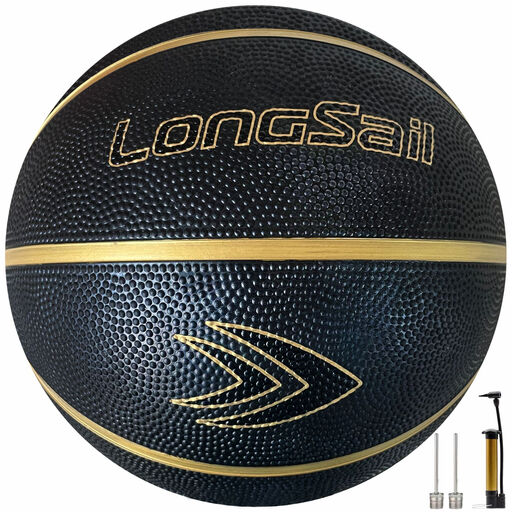
Why This Fits Their Persona: The size 3 format is manageable for younger children beginning to practise dribbling, passing and shooting at home or in the park.
The listed kit includes a hand pump, two air needles and a carry bag, reducing the need for separate accessories.
22-inch size, textured rubber surface, waterproof design and included storage bag.
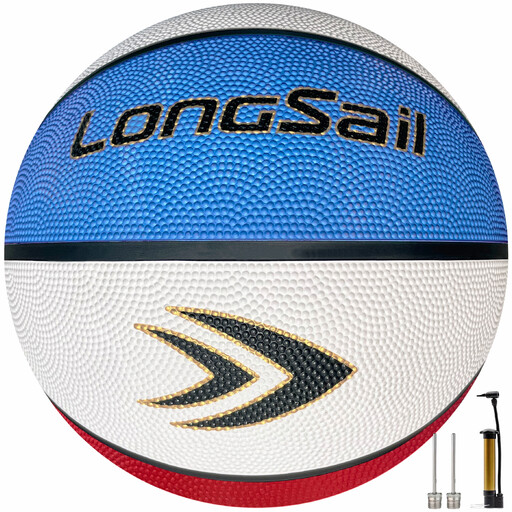
Why This Fits Their Persona: This youth-sized option combines a structured internal construction with a textured cover for families and junior players wanting a more considered training ball.
The specification identifies a butyl bladder, reinforced nylon wrapping, deep grooves and a dimpled surface rather than relying only on broad performance wording.
27.5-inch youth size, rubber outer cover and kit supplied with pump, needles and carry bag.
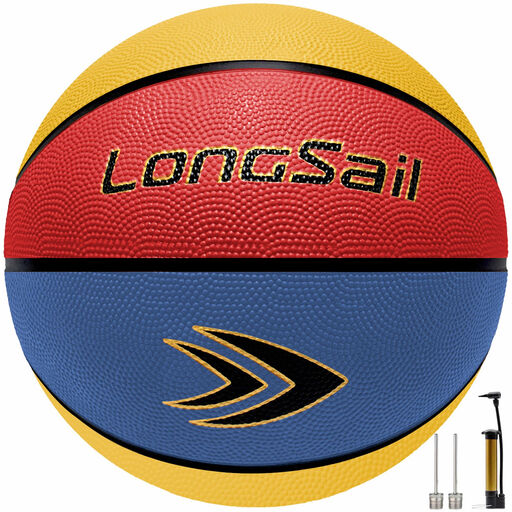
Why This Fits Their Persona: The full-size format is suited to adult players, older teenagers, coaches and community groups needing a ball for repeated practice on outdoor courts.
The listing specifies a butyl inner liner, reinforced nylon wrap and a waterproof, textured rubber exterior for multi-surface use.
29.5-inch size, pump and carry bag included and a surface designed for indoor, outdoor and wet conditions.
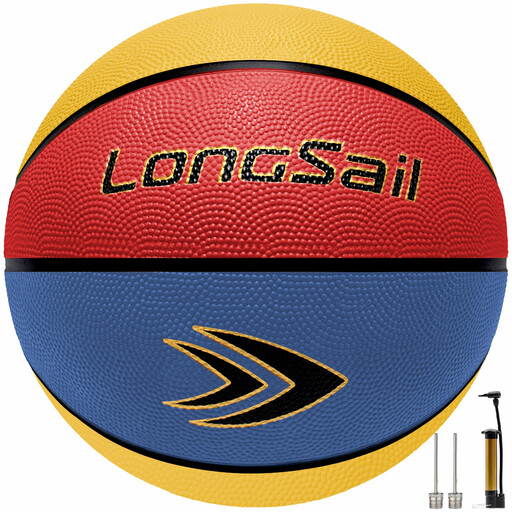
Why This Fits Their Persona: Size 4 offers a practical middle ground for younger children and family sessions where a lighter, more manageable ball is useful.
The size and circumference are stated clearly, while the included pump and needles help users inflate it correctly before play.
25.5-inch youth size, dimpled grip pattern and rubber construction for indoor and outdoor use.
Yes. Rubber covers are commonly selected for concrete, asphalt, driveways and playgrounds because they are designed for regular contact with harder surfaces. For indoor play, check whether the surface texture and feel suit the court and the player’s preferences.
A size 3 basketball is generally easier for young children to handle. A size 4 basketball can suit younger youth players, while a size 5 basketball is commonly used for older junior players. Always check the requirements of the child’s club, school or league before ordering.
There is no fixed schedule. Pressure can change with temperature, frequency of use and valve condition. Check the bounce and feel before each session and inflate according to the supplied instructions rather than relying only on appearance.