
24/7 Customer Support

Free returns

Same-day & Next-day Delivery

Quality Guaranteed

Unlock Your Welcome Offers: FREE Delivery | Up to 80% OFF | Free 30-day JoyPlus trial
Download the APP
Buying a rubber basketball seems straightforward until the ball arrives deflated, feels too large for the player or loses its shape after repeated use on rough ground. For UK families, beginners and recreational players, the main challenge is separating useful specifications from broad marketing language.
Three common buying traps are worth avoiding:
A practical purchase starts with the player, playing surface and construction rather than the appearance on the product page.
Basketball sizing follows a relatively clear format, although age guidance can vary between leagues and manufacturers. Use the competition or coaching requirements first, then consider the player’s hand size and control.
| Ball size | Approximate circumference | Typical use | |---|---:|---| | Size 3 | 22–22.5 inches / 57 cm | Young children | | Size 4 | 25.5 inches / 65 cm | Younger youth players | | Size 5 | 27.5 inches / 70 cm | Youth and junior play | | Size 7 | 29.5 inches / 75 cm | Teenagers and adults; standard men’s size |
A youth basketball in size 4 or size 5 can be easier to grip during dribbling and passing practice. A full-size basketball generally means size 7, although some listings use “full size” informally. Always check the circumference shown on the listing before ordering.
Rubber is usually a practical choice for driveways, playgrounds, parks and other outdoor areas because its textured surface is designed for regular contact with harder ground. It is also simple to wipe clean.
Composite leather, PU and microfibre leather can offer a different hand feel and are often selected for indoor courts or mixed indoor-outdoor use. However, a softer cover may not be the most suitable option for repeated play on abrasive asphalt or concrete.
For an indoor-outdoor basketball, look for:
A high-grip basketball can still become slippery when covered in mud, dust or water. Texture improves contact, but it does not remove the need to wipe and dry the ball after use.
Many basketballs are shipped deflated for transport. This is normal, but the package should include either a suitable pump or a clearly stated inflation requirement. Several Longsail rubber models include a hand pump, two needles and a carry bag, which can be useful for school runs, parks or shared family storage.
The supplied product information for these models recommends inflation to 7–9 PSI. Check the pressure guidance printed on the ball or packaging before inflating, as the correct pressure affects bounce and handling.
Claims such as “48-hour leak resistance” should be read as a stated product feature under specified inflation conditions, not as a guarantee that the ball will never need topping up. Examine the valve, seams and shape on arrival, and keep any protection-plan or warranty information.
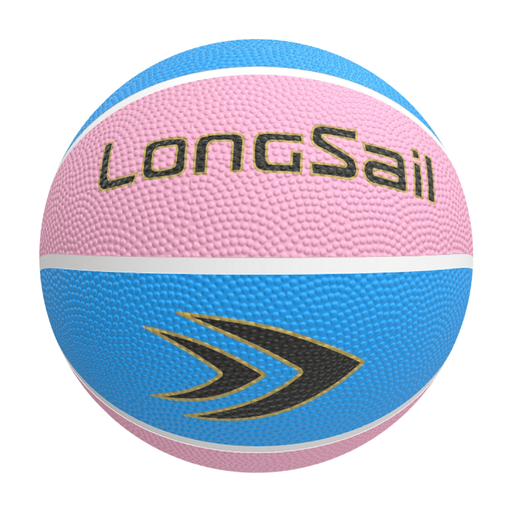
Why This Fits Their Persona: The size 4 format is suited to younger players who are learning basic dribbling, passing and shooting at home, school or a local outdoor court.
Its listed 25.5-inch circumference makes the size clear, while the rubber cover is intended for indoor, outdoor and wet-surface use.
Includes a hand pump, two needles and a carry bag; textured grooves are listed for grip.
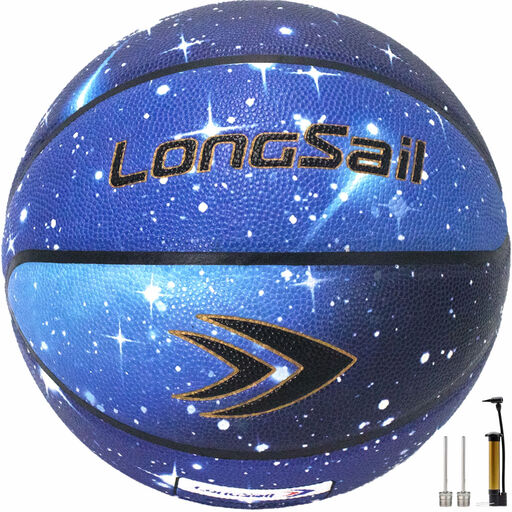
Why This Fits Their Persona: A suitable option for older players who want a standard-size ball with PU, microfiber or rubber cover options for training and recreational games.
The listing identifies size 7 as approximately 29.5 inches and specifies reinforced channels rather than relying on appearance alone.
Available in listed PU, microfiber leather or rubber variants; designed for indoor-outdoor use.
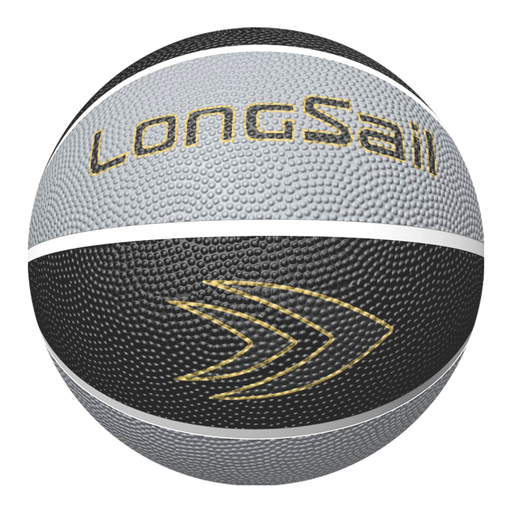
Why This Fits Their Persona: Its rubber construction and size 7 format suit frequent driveway, park and mixed-surface practice for teenagers and adults.
The listing states a dimpled surface, deep channels, a butyl bladder and reinforced nylon wrapping for shape retention.
Listed as suitable for indoor and outdoor play; includes a hand pump, needles and carrying bag.
Wipe the cover with a damp cloth after outdoor use, particularly if it has been used on wet grass, mud or dusty concrete. Store the ball in a cool, dry place rather than in a shed, car boot or conservatory exposed to heat. Avoid leaving it in direct sunlight for long periods, even when the surface is described as weather-resistant.
Before buying for a child, check the product’s age guidance, materials, warnings and seller information. For organised sport, confirm the size and circumference required by the relevant school, club or league. A product described as CPC-certified refers to the supplied listing information; it should not be treated as a replacement for checking applicable UK product-safety requirements.
We have compiled a complete, real-time list of products that fully satisfy these strict selection criteria and UK safety regulations.
Many rubber models are designed for both settings, but check the individual listing. Rubber is generally practical for outdoor courts and driveways, while composite or microfibre covers may provide a different feel on indoor courts.
Size 3 is commonly used by young children, size 4 by younger youth players and size 5 by older youth or junior players. Age ranges vary, so compare the ball circumference with the requirements of the child’s club or school.
There is no fixed schedule. Check the bounce and firmness before each session, particularly after storage or frequent outdoor use. Inflate only to the pressure stated on the ball or packaging, using a compatible needle.