
24/7 Customer Support

Free returns

Same-day & Next-day Delivery

Quality Guaranteed

Unlock Your Welcome Offers: FREE Delivery | Up to 80% OFF | Free 30-day JoyPlus trial
Download the APP
Buying a rubber basketball looks straightforward until the ball arrives too large for a child, loses pressure after a few sessions or feels slippery on a damp outdoor court. For UK families, schools and recreational players, the right choice depends less on colour and more on size, construction and intended playing surface.
Before selecting a ball, watch for these common buying pitfalls:
Basketball sizing affects control, handling and confidence. The commonly listed sizes in this range are:
| Size | Approximate circumference | Typical use | |---|---:|---| | Size 3 basketball | 22–22.5 inches / 57 cm | Young children, approximately 4–8 | | Size 4 basketball | 25.5 inches / 65 cm | Younger youth players | | Size 5 basketball | 27.5 inches / 70 cm | Youth and junior play | | Size 7 basketball | 29.5 inches / 75 cm | Players aged 13 and over; standard adult size |
These age groups are practical guidance rather than a replacement for league rules. For a child, compare the ball’s circumference with their hand size and ability to pass, dribble and shoot comfortably. Schools and clubs should also confirm their competition requirements before ordering several balls.
A size 7 basketball is usually appropriate for adult recreational play, while a size 5 basketball can be more manageable for many junior players. A smaller size may also be useful for skill development at home.
A rubber basketball with a dimpled or pebbled texture and deep channels can provide tactile contact for dribbling and passing. This is particularly useful for outdoor play, where dust, cool weather and occasional moisture can affect handling.
A high-grip basketball should still be assessed realistically. Texturing supports control, but it cannot eliminate slipperiness when the ball, hands or court are wet. If you are buying for a poolside, beach or damp garden setting, look for a cover described as water-resistant or waterproof and dry the ball after use.
Rubber composite covers are generally practical for driveways, playgrounds and outdoor courts because they are designed for frequent contact with harder surfaces. Composite leather or microfibre-style covers may offer a softer feel, but the product specification should state whether the ball is intended for indoor, outdoor or combined use.
A butyl inner liner and reinforced nylon winding can help the ball retain its shape and pressure. Several Longsail product descriptions specify a seal designed for 48-hour leak resistance when properly inflated, but this is a product specification rather than a promise that the ball will never need topping up.
Check whether the package includes:
The supplied balls arrive deflated for transport, so inflate them before first use. Insert the needle carefully and moisten it lightly if required by the manufacturer’s instructions; forcing a dry needle can damage the valve. Use the recommended pressure stated on the product page rather than inflating until the surface feels excessively hard.
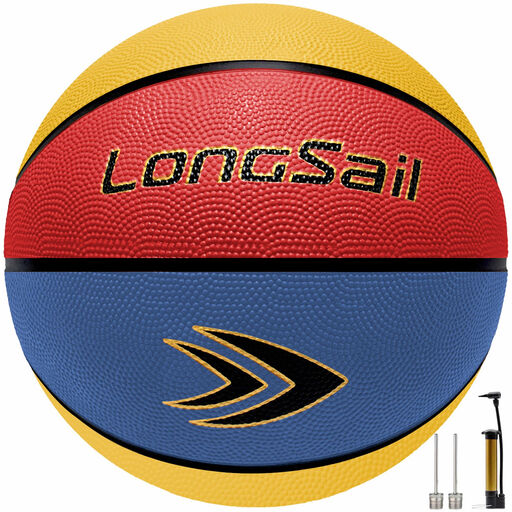
Why This Fits Their Persona: A smaller ball for children starting at home, in the garden or at a local playground, with the pump and bag included.
The 22–22.5-inch circumference makes it less likely that a young player will struggle with an adult-sized ball.
Rubber construction, textured surface and included hand pump, needles and carrying bag.
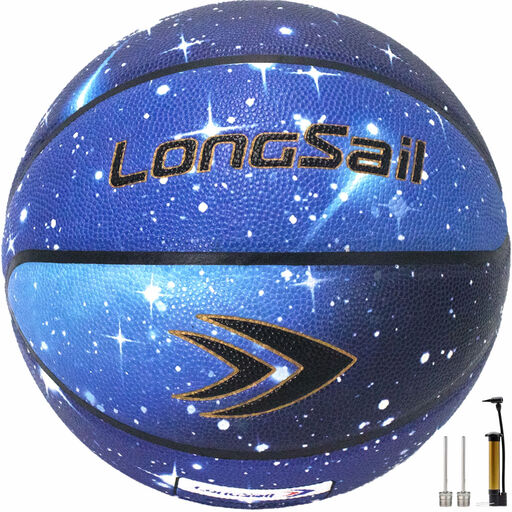
Why This Fits Their Persona: A full-size option for adult players who want a specified PU, microfibre or rubber cover for regular indoor-outdoor practice.
The listing separates cover options instead of relying only on a generic indoor outdoor label.
Size 7 circumference of approximately 75 cm and reinforced construction for shape retention.
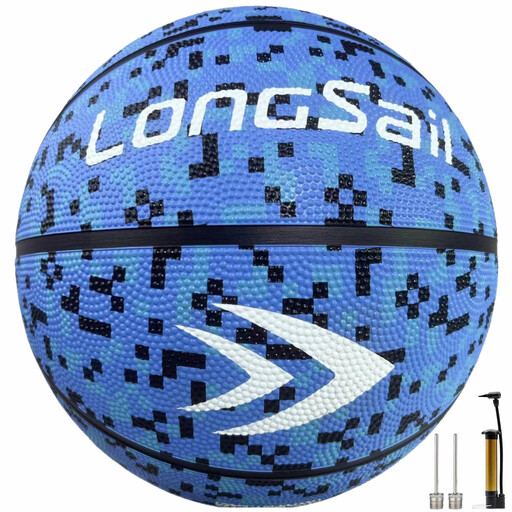
Why This Fits Their Persona: Suitable for adults, older teenagers and frequent outdoor users playing on driveways, concrete, parks or near water.
Its listed waterproof, textured rubber cover is intended for varied surfaces, while the product still advises storage away from heat and direct sunlight.
Approximately 75 cm circumference, butyl liner, reinforced nylon wrap and included pump, needles and carry bag.
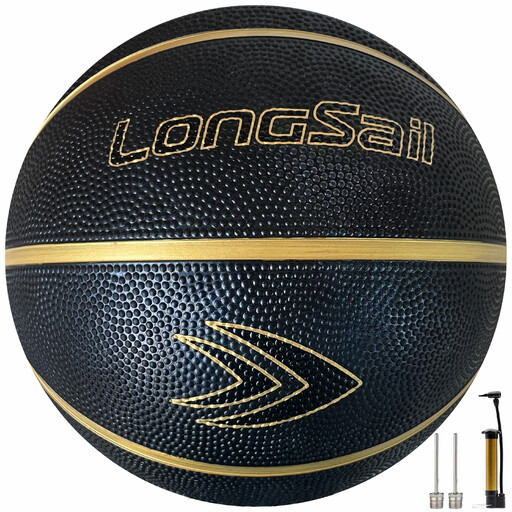
Why This Fits Their Persona: A youth-sized ball for junior training, family games and players moving towards more formal practice.
The 27.5-inch specification makes the intended youth format clear, helping avoid buying a full adult ball too early.
Textured rubber cover, butyl liner and a complete inflation kit for indoor or outdoor use.
A durable basketball still needs sensible storage. Wipe mud and surface dirt away with a damp cloth, then allow the ball to dry naturally. Avoid leaving it in a conservatory, car boot or directly on a hot patio for long periods. Store it in a cool, dry place away from sharp objects.
For schools and clubs, inspect the valve, seams and surface regularly. A gradual pressure change is normal, particularly with temperature fluctuations, but repeated rapid deflation may indicate valve or bladder damage. Use the correct needle and avoid over-inflation.
We have compiled a complete, real-time list of products that fully satisfy these strict selection criteria and UK safety regulations.
Rubber is a practical option for outdoor courts, driveways and playgrounds because its cover is designed for regular contact with harder surfaces. Check the listing for outdoor suitability and clean the ball after use. Outdoor play will usually create more visible wear than occasional indoor use.
Use the size chart, the player’s age and their hand control together. A size 3 basketball is commonly used by younger children, a size 4 basketball by younger youth players and a size 5 basketball by older children and junior players. If a club or school has a specified size, follow that requirement.
Not always. Many complete sets are shipped deflated for transport. Inflate the ball with the supplied pump and needle before use, following the product’s pressure guidance. The carry bag is useful for storing the ball and taking it to a park, court or school session.