
24/7 Customer Support

Free returns

Same-day & Next-day Delivery

Quality Guaranteed
Download the APP
Categories
For many of us, a standard smartphone just doesn't cut it. A single accidental drop on the pavement, an unexpected downpour during a hike or the constant dust on a building site can mean the end of a device that costs hundreds of pounds. If you're tired of cracked screens and water damage warnings, you're likely in the market for a rugged smartphone.
As a Joybuy Product Recommendation Officer, my role is to help you find practical solutions that fit your needs. This guide is designed to cut through the marketing clutter and provide clear, objective information on what makes a great durable phone. We will look at key features to consider and highlight a few models that stand out for their resilience and performance.
Choosing the right device means looking beyond the reinforced casing. Here are a few key factors to consider before you make a decision.
These codes are not just jargon; they are certified standards that tell you exactly what a phone can withstand.
A tough exterior is pointless if the performance inside is sluggish. Modern rugged phones are powerful devices. Look for specifications that support your daily tasks, such as a capable processor, sufficient RAM for multitasking and 5G rugged phone connectivity for fast downloads and streaming when you're on the move.
Working outdoors or on a remote site means you can't always be near a power socket. A large battery smartphone is essential. Look for battery capacity measured in milliampere-hours (mAh). A device with 5000mAh or more will comfortably see you through a long day, while some specialist models offer over 10,000mAh for multi-day use.
Based on their features, durability and overall performance, here are some notable options available right now.
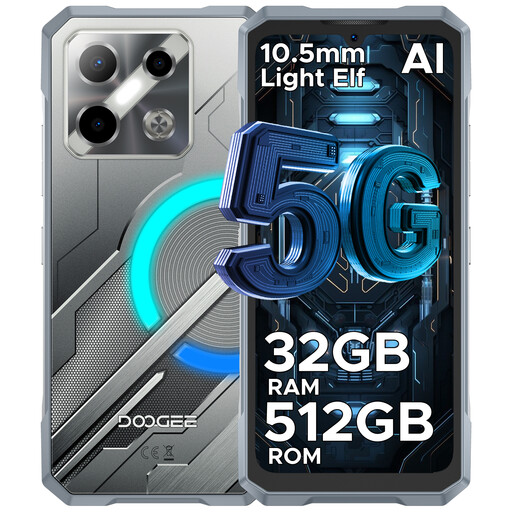
Why It Stands Out: The Blade GT Pro challenges the idea that rugged phones must be bulky. With a slim 10.5mm frame, it offers a more comfortable feel for daily use without sacrificing durability. Its standout feature is the dynamic RGB LED light bar that syncs with calls and notifications, adding a unique touch of style. The MediaTek Dimensity 7025 processor ensures smooth 5G performance.
Pros:
Who is it for? This phone is a great fit for individuals who need a durable device for both work and personal life and who appreciate a more refined design that doesn't scream "industrial".
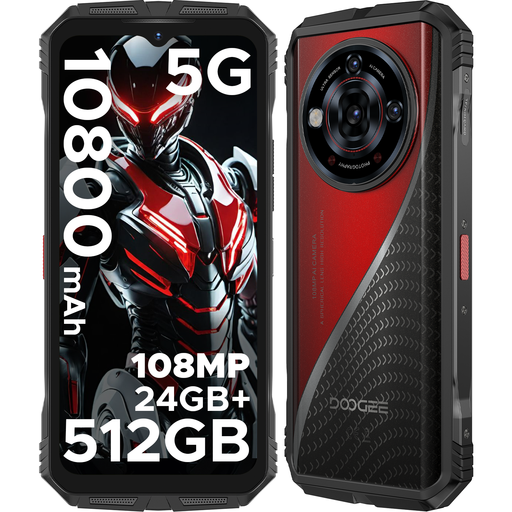
Why It Stands Out: The S118 Pro is an endurance powerhouse, built around a colossal 10800mAh battery designed for users who spend extended periods away from a charger. Its capabilities are further enhanced by a 20MP night vision camera, making it exceptionally useful for night-shift workers, emergency services or nocturnal wildlife enthusiasts. The inclusion of Wi-Fi 6 and a Dimensity 7050 processor provides top-tier connectivity and performance.
Pros:
Who is it for? Professionals and adventurers who prioritise battery longevity and specialised camera functions above all else. It's built for those who operate in the most demanding and remote conditions.
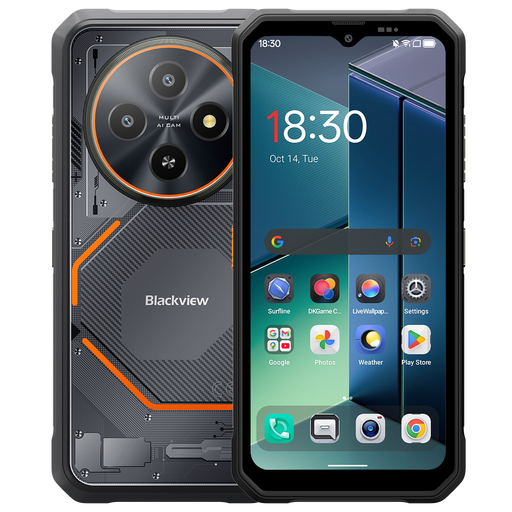
Why It Stands Out: The Blackview Fort 2 is a testament to certified toughness. It holds both IP68/IP69K and MIL-STD-810H ratings, confirming its ability to handle everything from water immersion to drops and extreme temperatures. It runs on the latest Android 15, enhanced with Blackview's DokeOS 5.0, ensuring a secure and user-friendly software experience. This makes it a highly reliable construction site phone.
Pros:
Who is it for? This is an ideal choice for anyone working in industrial, construction or field service roles where a device needs to be verifiably tough and dependable day in and day out.
The models above represent a great cross-section of what the rugged market offers, but every user has unique requirements. If you need a specific feature or simply want to compare more devices, there are many other excellent choices available.
For a wider selection of connected and durable devices, explore our full range of NFC phones 5G to find the perfect match for your lifestyle.
Q: Are rugged smartphones worth it? A: If you frequently work in harsh environments, enjoy outdoor activities or are simply prone to dropping your phone, the initial investment in a durable phone can save you significant money on repairs and replacements over time. Their enhanced resilience is their primary benefit.
Q: What is the difference between IP68 and IP69K? A: Both ratings indicate excellent protection. An IP68 phone is certified to be dust-tight and can withstand submersion in water (usually 1.5m for 30 mins). The IP69K rating adds protection against close-range, high-pressure and high-temperature water jets, making it suitable for environments that require sterilisation or intense cleaning.
Q: Can a rugged smartphone be used as a normal phone? A: Absolutely. Modern rugged smartphones offer all the features you would expect from a standard device, including high-quality cameras, fast processors and NFC for contactless payments. While built to be tougher, they function perfectly as a primary, day-to-day phone.