Runner choosing a training snack
Compare the carbohydrate in a labelled biscuit portion and check its ingredients. A digestive can be an everyday snack without being a proven fuel for running.


Choose digestives by their labelled portion and ingredients if you want a snack around training; carbohydrate content alone does not establish whether a biscuit will suit you during a run. A boxed chocolate assortment serves a different purpose: gifting. If you need something to carry and eat on a long run, consider a measured sports gel or suitable bar and try your intended fuel during training.
Compare the carbohydrate in a labelled biscuit portion and check its ingredients. A digestive can be an everyday snack without being a proven fuel for running.
Think about what you can carry, portion and tolerate while exercising. The Australian Institute of Sport describes gels and some sports bars as during-exercise carbohydrate options; that does not establish how a particular biscuit will suit you.
Find out whether the recipient would prefer biscuits to snack on, a chocolate gift or both. Check the exact product’s ingredients and allergy warnings before giving it.
Decide whether the food is for snacking, gifting or eating during a run, then compare portions and ingredients within that purpose.
| Priority | What to check | Your needs |
|---|---|---|
| Carbohydrate portion | Compare figures on the same basis: per biscuit, per serving or per 100g. ASDA Groceries lists 9.3g carbohydrate per biscuit for McVitie's Original 315g and 11g per biscuit for ASDA Digestives 400g; those biscuits are different sizes. | I want to know what the portion I plan to eat contributes, rather than comparing unlike label figures. |
| During-run practicality | Check the stated carbohydrate per portion and whether the format is practical to carry and eat. The Australian Institute of Sport describes a typical sports gel as providing 20–30g carbohydrate and some lower-fibre bars as intended for endurance use; individual tolerance still matters. | If I plan to eat during a long run, I need a portion I can carry and try during training before relying on it. |
| Snack or gift | Check what is actually in the pack. M&S Food lists Milk Chocolate Digestives as a 300g biscuit pack, while its 313g Belgian Chocolatier Collection is a gift-ready chocolate assortment, not a box of digestives. | For a present, I care whether the recipient would welcome chocolates or would rather have biscuits for ordinary snacking. |
| Ingredients and allergens | Read the exact variant’s ingredient list and suitability warnings. ASDA Groceries lists oats and a possible nut presence for its Free From digestives; M&S Food states that its Belgian Chocolatier Collection contains alcohol and is not suitable for someone with a nut allergy. | When buying for someone else, I need to check their restrictions against the particular pack, not just its product name. |
M&S Food’s Belgian Chocolatier Collection is an assortment of chocolates, not digestive biscuits. Its listing also states that it contains alcohol and is not suitable for someone with a nut allergy.
Choose the format for its intended occasion: a gift, a snack around training or something to carry on a run.
A per-biscuit figure cannot be compared directly with a per-100g figure. Different-sized biscuits can also provide different amounts per biscuit.
Check the serving basis on each pack and use a consistent measure before planning a portion.
ASDA Groceries lists different ingredients and warnings for its standard and Free From digestives. Suitability cannot be transferred from one variant to another.
Read the exact pack’s ingredients and precautionary warnings against the intended eater’s allergens.
These examples help distinguish biscuit formats and labelled portions; they do not imply that every product from a brand has the same recipe.
Its Original plain digestives offer a per-biscuit comparison point for an ordinary training-day snack.
Its standard plain digestive and separate Free From digestive call for variant-specific comparisons.
Its listings illustrate the difference between a chocolate digestive and a boxed chocolate gift.
Its Dark Chocolate Chip Digestive provides a chocolate-chip format to distinguish from a coated biscuit.
A manufacturer-attributed specification dated 16 December 2014 describes a 29g mini pack of three digestives.
These Joybuy options are plain and chocolate digestive biscuits for snacking around training. Choose a portion and ingredient list that suit the intended eater; the biscuits are not a substitute for a running-fuel plan you have tried during training.
 No image available
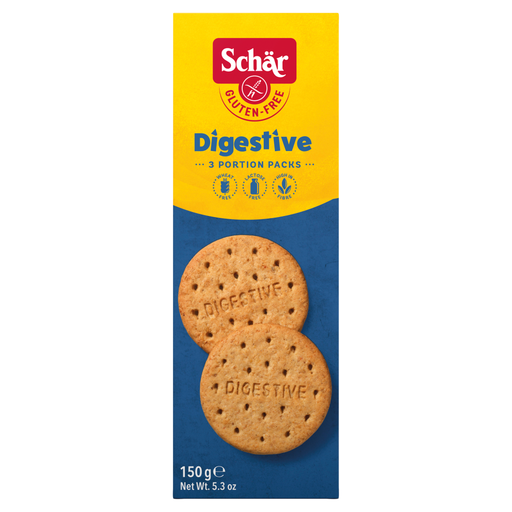
A gluten-free digestive-biscuit option for snacking around training. Check the pack’s full ingredients and labelled portion against the intended eater’s needs.
 No image available
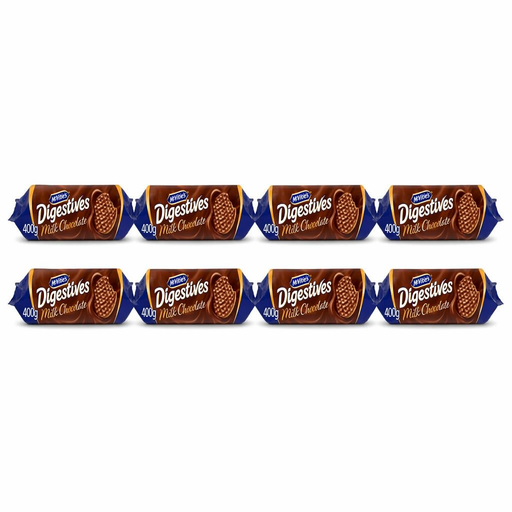
A milk chocolate digestive for someone who wants biscuits as a snack rather than a boxed chocolate assortment. Check the 400g pack’s portion information and ingredients before planning how much to eat.
 No image available
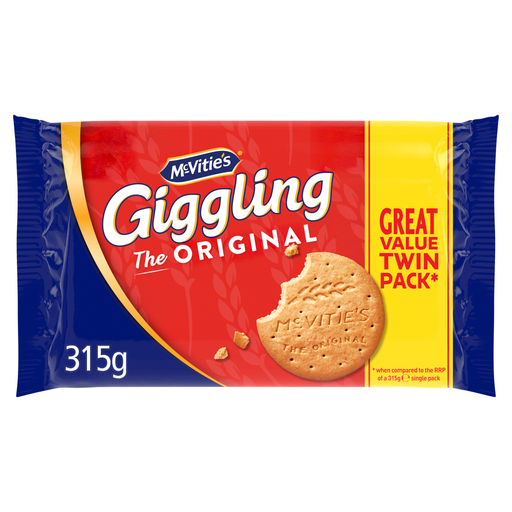
A plain digestive twin pack for ordinary snacking around training. Joybuy UK describes the 2 x 315g pack as containing approximately 42 biscuits; check the received pack’s nutrition and ingredients when planning a portion.
 No image available
A sugar-free variant of plain digestives in a 400g pack. If you are comparing carbohydrate portions, use the pack’s carbohydrate declaration rather than treating its sugar-free name as a carbohydrate figure; check the ingredients too.
 No image available
Dark chocolate digestives in a 2 x 266g twin pack for biscuit snacking. Check the pack’s serving basis and ingredients rather than assuming its portions match those of a plain or milk chocolate digestive.
Their carbohydrate content alone cannot tell you whether they meet your planned intake or suit you during exercise. Check labelled portions and try any intended fuel during training; the Australian Institute of Sport describes gels and some sports bars as options designed to provide carbohydrate during exercise.
Use net weight to compare pack sizes, then compare nutrition on the same serving basis. ASDA Groceries lists approximately 21 biscuits and 9.3g carbohydrate per biscuit for McVitie's Original 315g; its ASDA Digestives 400g listing suggests 25 servings and gives 11g carbohydrate per biscuit. Those per-biscuit figures do not describe equal-sized biscuits.
Read the received pack before eating or gifting the biscuits, particularly when an allergy or other ingredient restriction matters. Check the exact variant’s ingredient list and suitability warnings rather than relying on another product in the same range.
Follow the storage instructions on the pack you buy. The McVitie's Original listing advises keeping the biscuits cool and dry and using an airtight container once opened.