
24/7 Customer Support

Free returns

Same-day & Next-day Delivery

Quality Guaranteed

Unlock Your Welcome Offers: FREE Delivery | Up to 80% OFF | Free 30-day JoyPlus trial
Download the APP
Choosing the right running gear can feel like navigating a minefield of marketing claims and technical jargon. With so many options available, it's easy to end up with a drawer full of apparel that either underperforms or falls apart after a few uses. Many runners in the UK find themselves caught out by common purchasing pitfalls that lead to wasted money and uncomfortable runs.
As a Joybuy Product Recommendation Officer, my role is to help you identify the key features that truly matter, so you can invest in gear that supports your performance, comfort and safety. Before you spend another pound, let's look at the most frequent traps to avoid.
To sidestep these issues, focus on a few non-negotiable technical specifications. Understanding these will empower you to select gear that genuinely enhances your running experience.
The single most important feature of any running top, bottom or sock is its ability to manage sweat. This is where moisture-wicking activewear comes in.
The repetitive motion of running means that any point of friction can quickly become a painful problem.
For anyone running in the early morning, evening or during the UK's often overcast days, visibility is not a luxury—it's a necessity.
Here are a few items that align with these practical principles, matched to different types of runners.
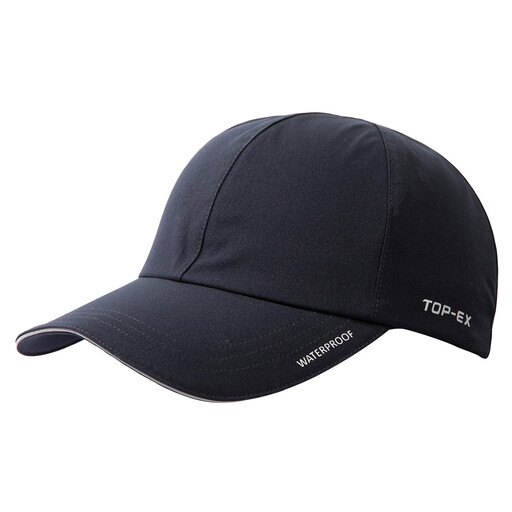
Why This Fits Their Persona: This runner doesn't let the unpredictable UK weather stop them. They need gear that performs reliably in both sun and rain. This cap offers protection from both, keeping their head dry and vision clear.
It directly counters the "waterproof illusion" by being constructed from 100% polyester with all-weather performance, keeping you dry during a downpour, not just a light shower.
Includes a cooling sweatband to manage moisture from the inside and a reflective strap for added visibility.
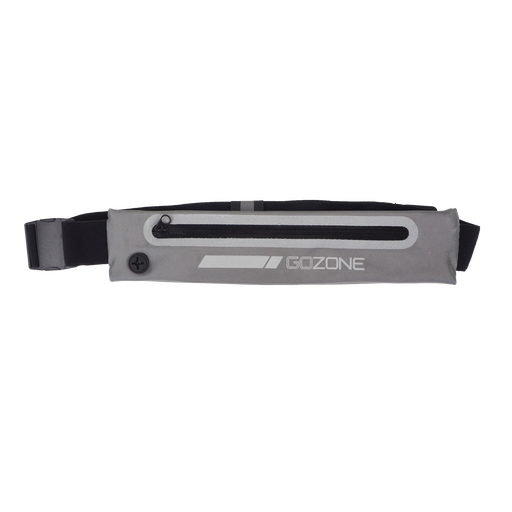
Why This Fits Their Persona: This runner fits their training in before sunrise or after sunset. For them, being seen is the top priority. This belt provides high-visibility storage for essentials without compromising on comfort.
It solves the "one-size-fits-all" accessory flaw with an adjustable elastic strap (fits 27-46 inch waists) and a slimline design that prevents bouncing while you run.
The entire outer material is reflective for maximum visibility. The expandable pocket securely holds phones, keys and other essentials.
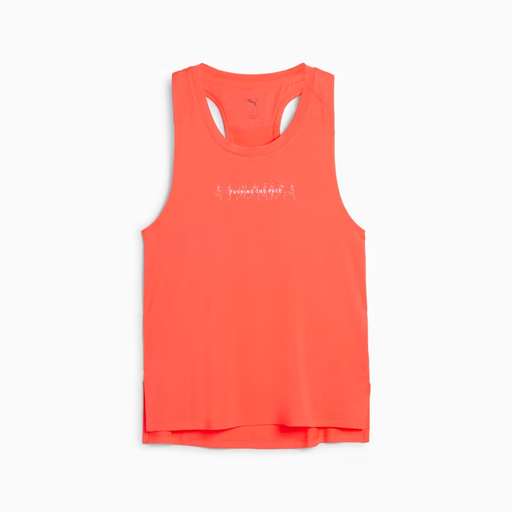
Why This Fits Their Persona: This runner prioritises breathability and freedom of movement for high-intensity workouts. Whether on a treadmill or a sunny trail, they need gear that feels weightless and keeps them cool.
This singlet is the direct antidote to the "cotton comfort myth." Its lightweight mesh fabric and dryCELL technology actively wick moisture, preventing the heavy, clammy feeling of a sweat-soaked top.
Made with at least 90% recycled materials. Flatlocked seams minimise chafing and the sleeveless cut allows for completely unrestricted movement.
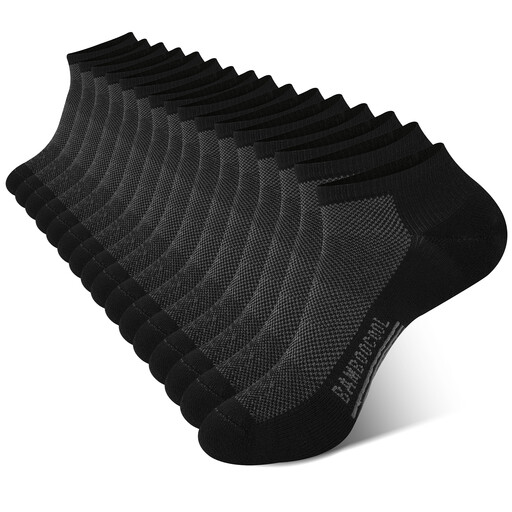
Why This Fits Their Persona: This runner knows that small details make a big difference. They understand that the right pair of socks is the foundation of a comfortable, blister-free run and a crucial piece of kit.
These are not generic cotton sports socks. They are purpose-built men's running socks with moisture-wicking fabric, reinforced high-wear areas and a cushioned sole to prevent blisters and absorb impact.
Features targeted arch support to reduce foot fatigue and a seamless toe design to prevent rubbing and irritation over long distances.
We have compiled a complete, real-time list of products that fully satisfy these strict selection criteria and UK safety regulations.
Layering is key for the UK's changeable conditions. Start with a moisture-wicking base layer (like a polyester top) to keep sweat off your skin. Add a mid-layer for insulation on cold days, such as a long-sleeve top. Finish with a lightweight, windproof or waterproof outer shell that you can easily remove if you get too warm.
Proper running socks are designed with specific features to prevent blisters and provide support. They are made from moisture-wicking synthetic blends, not cotton. They often include targeted cushioning in the heel and toe, arch support to reduce fatigue and seamless construction to eliminate friction points.
The lifespan of your running gear depends on frequency of use and quality. A good rule of thumb is to inspect your gear regularly. If you notice the fabric has lost its shape, the elastic has degraded or the material is no longer wicking moisture effectively (it stays damp), it's time for a replacement. For high-impact items like socks, consider replacing them every 300-500 miles, similar to your running shoes.