
24/7 Customer Support

Free returns

Same-day & Next-day Delivery

Quality Guaranteed

Unlock Your Welcome Offers: FREE Delivery | Up to 80% OFF | Free 30-day JoyPlus trial
Download the APP
Buying running gear can look straightforward until you are comparing cushioning systems, fabric claims, reflective details and unfamiliar size charts. The wrong choice may leave you with shoes that rub, clothing that stays damp or accessories that are difficult to use on dark winter mornings.
As the Joybuy Product Recommendation Officer, I focus on practical specifications rather than marketing language. Before choosing running gear, watch for these common purchasing traps.
A lightweight shoe is not automatically suitable for every runner or surface. Road shoes typically prioritise flexibility and cushioning, while trail running shoes need an outsole designed for uneven ground, mud and loose surfaces. Wearing smooth-soled road trainers on wet paths can reduce grip and shorten the usable life of the shoe.
Quick-drying fabric can help moisture evaporate, but it does not tell you how a garment fits or ventilates. Check for a breathable construction, stretch and seam placement. A close-fitting top with poorly positioned seams can still cause chafing, particularly during longer sessions.
Reflective strips are visible when illuminated by headlights, but they do not produce light independently. For early-morning or evening runs, combine reflective running accessories with a front or rear light, and choose routes with suitable pavements and visibility.
Start by identifying where you run most often:
Sizing should be based on foot length as well as your usual UK size. Leave a small amount of space in front of the longest toe, especially if you run downhill or your feet swell during longer sessions. Try shoes with the socks you expect to wear, such as performance running socks with arch support or seamless toes.
For breathable running clothing, useful details include mesh panels, lightweight polyester or stretch fabric. Moisture-wicking activewear is designed to move perspiration away from the skin, but it still needs an appropriate fit.
For warm conditions, compare women’s running tops, sleeveless workout vests and short-sleeved polo shirts by checking:
For lower-body comfort, running shorts should stay secure without restricting stride length. A built-in liner, adjustable waistband and pockets for small essentials can be more useful than decorative features.
A running cap can help shield your eyes from sun and light rain. Check the head measurement range, closure type and care instructions; some caps are hand-wash only.
For keys, cards and a phone, a running belt should sit securely without bouncing. Look for an adjustable waist range, expandable storage and water-resistant construction. An LED running armband can add active visibility, while reflective logos or strips provide additional visibility when vehicle lights reach them.
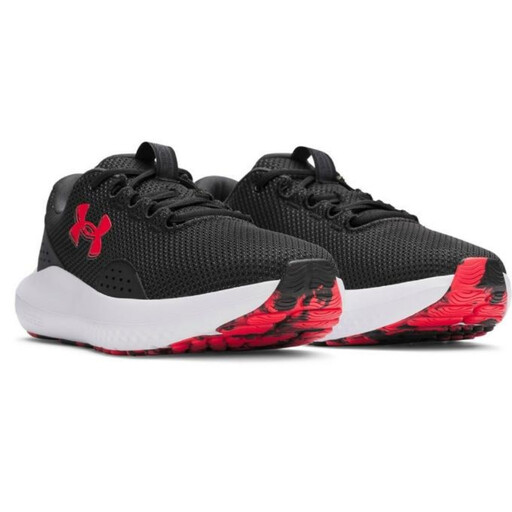
Why This Fits Their Persona: A practical option for new runners, gym users and casual walkers who want one lightweight pair for pavement, track and indoor training.
The product information identifies a breathable mesh upper, cushioned midsole and rubber outsole, making its intended everyday surfaces clear.
Breathable mesh upper, responsive cushioned midsole and listed UK sizes from 6 to 10.
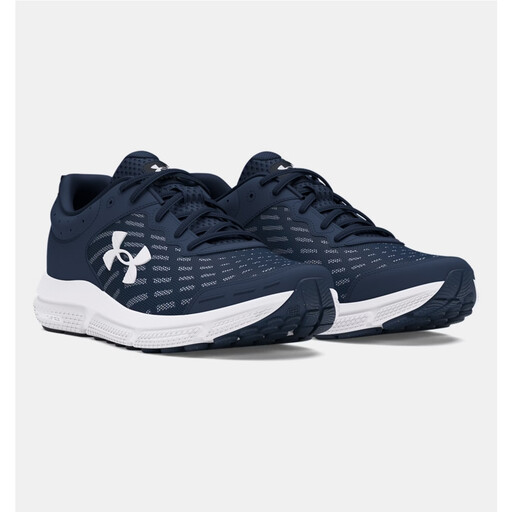
Why This Fits Their Persona: Suits runners who want a neutral shoe with documented construction details for regular road training and varied weekly mileage.
Its listing specifies a 10mm offset, neutral design and solid rubber outsole, so buyers can compare it with their stride and running surface.
Mesh upper with leather overlays, Charged Cushioning midsole and Deluxe Comfort System sockliner.
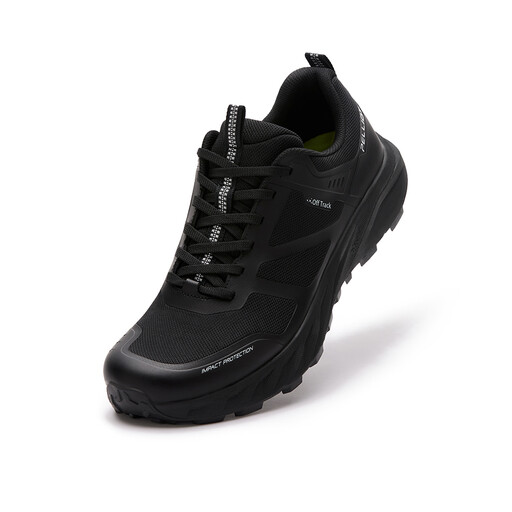
Why This Fits Their Persona: Designed for runners moving between city streets, gravel and mountain paths who need more surface versatility than standard road trainers.
The listing identifies an all-terrain outsole, abrasion-resistant upper and standard or slim fit options, rather than presenting a road shoe as a trail solution.
Sandwich mesh upper, high-elastic EVA midsole and ROCKYTEC outsole; UK 8 is listed for EU 42.
We have compiled a complete, real-time list of products that fully satisfy these strict selection criteria and UK safety regulations.
A complete outfit does not need to be complicated. Pair lightweight running trainers with performance running socks to reduce friction, then select clothing according to the weather:
Always check care instructions. Hand-washing a cap or running belt when required, air-drying shoes away from direct heat and avoiding fabric softener on technical clothing can help preserve materials.
A beginner can start with one suitable pair of running shoes, moisture-managing clothing, performance socks and a way to carry keys or a phone. Add a cap, extra layer or visibility accessory according to the UK season and your usual running time.
Lifespan depends on mileage, body weight, running surface, shoe construction and storage. Inspect the outsole for worn grip, the midsole for reduced cushioning and the upper for splitting. Replace shoes when fit, comfort or traction has noticeably deteriorated rather than relying on a fixed calendar period.
Most running clothing has no ongoing operating cost beyond washing. LED accessories require battery replacement or charging, depending on their design. Following the care label, using mild detergent and air-drying where instructed can help reduce wear and energy use.