
24/7 Customer Support

Free returns

Same-day & Next-day Delivery

Quality Guaranteed

Unlock Your Welcome Offers: FREE Delivery | Up to 80% OFF | Free 30-day JoyPlus trial
Download the APP
Whether you're a seasoned marathoner or just starting your journey on the pavements of the UK, the right running gear can make all the difference between a comfortable, enjoyable run and a frustrating, chafe-filled slog. However, the market is flooded with products making bold claims. As a Joybuy Product Recommendation Officer, my role is to help you see past the marketing clutter and focus on what truly matters for performance, comfort and safety.
Before you spend your hard-earned money, let's look at a few common pitfalls that catch out even experienced runners.
running clothes are labelled as "moisture-wicking," but are made from simple, dense polyester that quickly becomes saturated with sweat. Instead of pulling moisture away, it traps it, leaving you feeling cold, clammy and heavy. True performance fabric relies on a specific material blend and weave to be effective.running belt or running phone holder that bounces, slips or chafes is more than an annoyance; it's a distraction that can ruin your form and focus. The issue often lies in poor design: non-adjustable straps, abrasive materials and a lack of ergonomic shaping.reflective running kit for a pre-dawn or post-dusk run. Many products provide a false sense of security, offering minimal visibility to drivers on poorly lit British roads.To avoid these traps, focus on a few core parameters. Understanding these will empower you to choose gear that genuinely enhances your run.
For any piece of clothing that sits against your skin, from moisture wicking running tops to running socks, the material is paramount.
For running accessories that carry your essentials, fit is everything. An ill-fitting accessory will bounce and irritate you with every step.
running belt must have a wide range of adjustability to ensure a snug, no-bounce fit around your waist. Look for high-quality elasticated straps that won't stretch out over time. For a running phone holder armband, a secure, adjustable strap that accommodates your arm size without slipping is crucial.When running in low-light conditions, your visibility to others is a non-negotiable safety feature.
reflective running kit features large panels or 360-degree reflective material on moving parts of your body (like limbs and torso) to catch headlights from all angles. Bright, fluorescent colours also significantly improve daytime visibility.Based on these practical criteria, here are a few items matched to different types of runners.
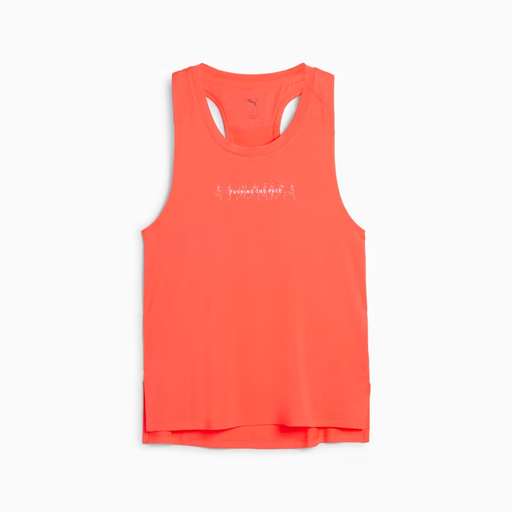
Why This Fits Their Persona: This runner prioritises technical features that aid performance. They need a top that works as hard as they do, keeping them dry, comfortable and focused, whether on a 5k tempo run or a half-marathon.
It directly counters the "moisture-wicking myth" by using PUMA's dryCELL technology in a breathable mesh fabric, actively pulling sweat from the skin. Flatlock seams eliminate the risk of chafing.
Made with at least 90% recycled materials. The lightweight mesh construction and sleeveless design offer superior ventilation and freedom of movement.
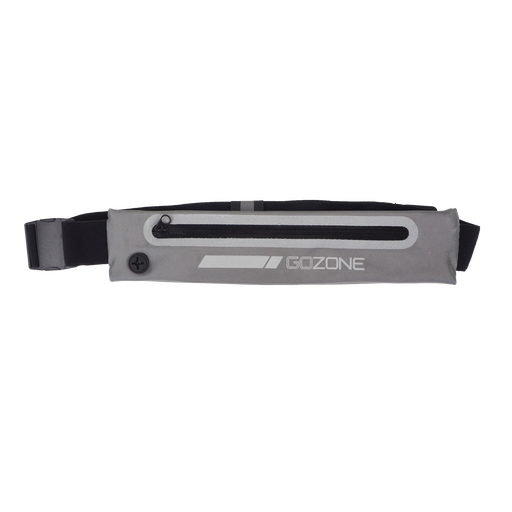
Why This Fits Their Persona: This individual runs in the early mornings or late evenings through urban environments. Their primary concerns are being seen by traffic and securely carrying essentials like a phone and keys without any bounce.
It tackles the "illusion of safety" head-on with a fully reflective outer surface, not just a token logo. It also solves the "bouncing burden" with a slim, adjustable elastic strap that fits waists from 27 to 46 inches.
Offers exceptional 360-degree visibility. The expandable pocket can hold a phone, keys and money, while the waterproof inner layer keeps them dry.
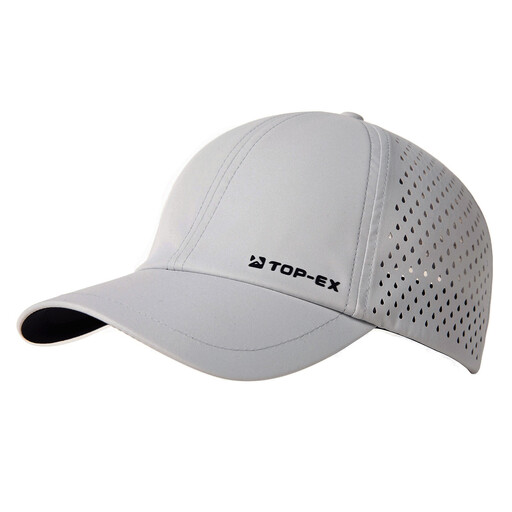
Why This Fits Their Persona: This person runs year-round and needs a versatile `running cap` that provides sun protection in the summer, keeps their head dry in a light shower and manages sweat effectively, without feeling heavy or hot.
Unlike a standard cotton cap that gets waterlogged, this one is made from waterproof nylon and breathable mesh. It actively manages moisture rather than just absorbing it, preventing the "soggy head" feeling.
Features a cooling sweatband to wick moisture from your brow and a water-repellent design for light rain. It's also lightweight and packable.
We have compiled a complete, real-time list of products that fully satisfy these strict selection criteria and UK safety regulations.
While there's no fixed expiry date, a good rule of thumb is to replace your running socks every 300-500 miles, similar to your running shoes. Look for visible signs of wear, such as thin spots in the heel or ball of the foot, loss of elasticity or holes. Once the cushioning becomes compressed, the socks lose their ability to absorb impact and prevent blisters effectively.
To preserve the technical qualities of your running clothes, wash them in cold water on a gentle cycle. Avoid using fabric softeners, as they can clog the pores of the fabric and inhibit its ability to wick moisture. It's best to air dry your gear or use a very low heat setting on your tumble dryer. This prevents damage to the delicate synthetic fibres and elastic components.
This depends on personal preference and what you need to carry. A running phone holder armband is a minimalist option, ideal if you only need to carry your phone. However, some runners find them restrictive. A running belt offers more versatility, with space for a phone, keys, gels and cards. A well-designed belt distributes weight around your core, which many find more comfortable and less disruptive to their arm swing.