
24/7 Customer Support

Free returns

Same-day & Next-day Delivery

Quality Guaranteed

Unlock Your Welcome Offers: FREE Delivery | Up to 80% OFF | Free 30-day JoyPlus trial
Download the APP
For the dedicated UK runner, a bit of dark or drizzle is no reason to skip a session. Whether you are hitting the pavements before sunrise or winding down with an evening jog through the park, your commitment is commendable. However, running in low-light conditions or on unpredictable terrain brings its own set of challenges. Staying visible, aware and stable is not just about performance—it is about safety.
This guide is designed to cut through the clutter and offer practical advice on choosing effective running safety gear. We will explore key features to look for and highlight some dependable options to help you run with confidence, no matter the time or trail.
Selecting the right equipment can feel overwhelming. Focusing on a few key principles will help you build a kit that genuinely enhances your safety.
Being seen from all angles is the cornerstone of night running essentials. Relying on a single point of light is not enough. A comprehensive setup combines two types of visibility:
reflective running accessories come in. Materials on your clothing, shoes or straps bounce light back to its source, like a car's headlights. Look for gear with reflective strips on the front, back and sides.high visibility gear for runners makes you noticeable even when there is no external light source to reflect.Many runners enjoy listening to music or podcasts, but traditional headphones can block out crucial environmental sounds like approaching traffic, cyclists or even other pedestrians. This is where open-ear running headphones offer a significant safety advantage. By using technologies like bone conduction, they deliver audio without covering your ears, allowing you to remain fully aware of your surroundings.
The British landscape offers a mix of running surfaces, from smooth tarmac to muddy trails and slick, leaf-covered paths. Your footwear is your foundation. Look for all-terrain running shoes with outsoles designed for grip on varied and wet surfaces. A well-cushioned midsole is also vital for absorbing impact and protecting your joints. For those who run year-round, considering a waterproof running kit, including shoes and outerwear, can make a significant difference in comfort and safety.
Based on these principles, here are our recommendations for runners looking to upgrade their safety equipment.
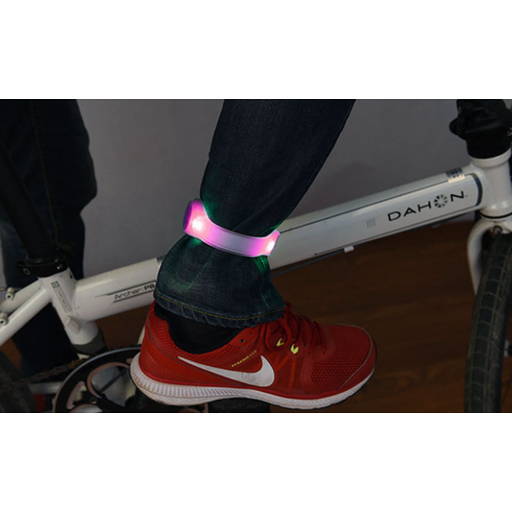
Why It Stands Out This armband is a simple yet highly effective piece of kit that combines both active and passive visibility. It features a bright LED light that can be switched between a steady glow and a flashing mode with a single click. In addition, the adjustable strap includes an extra reflective element, ensuring you are seen by motorists and cyclists. Its lightweight, soft polymer construction means you will barely notice you are wearing it.
Pros
Who is it for? Any runner, walker or cyclist who needs a straightforward and reliable way to boost their visibility during dawn, dusk or night-time activities.
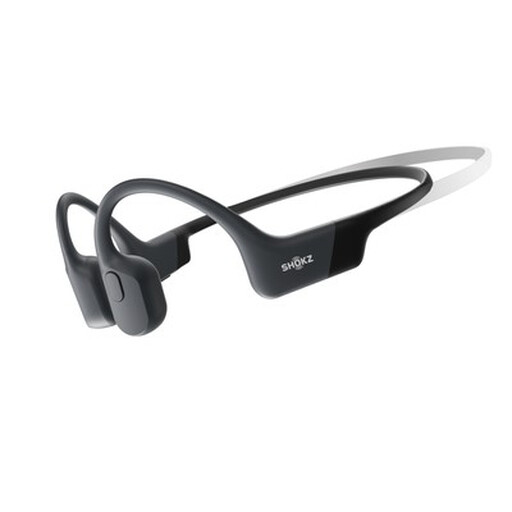
Why It Stands Out The Shokz OpenRun Mini directly addresses the safety concerns of running with audio. Using bone conduction technology, it delivers sound through your cheekbones, leaving your ears completely open. This allows you to enjoy your playlist or podcast while remaining fully tuned in to your environment. The "Mini" version features a shorter headband for a more secure and stable fit on smaller heads, preventing bouncing during intense activity.
Pros
Who is it for? Safety-conscious runners who want to listen to audio without compromising their ability to hear traffic, cyclists and other potential hazards. It is particularly well-suited for urban runners and those with smaller head sizes.
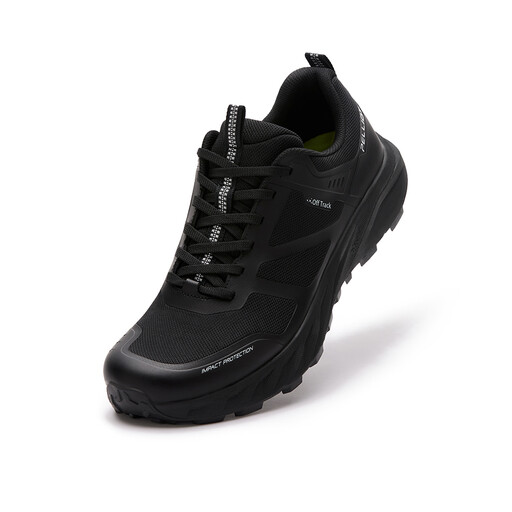
Why It Stands Out This shoe is engineered for versatility, making it an excellent choice for runners who tackle a variety of terrains. The standout feature is the ROCKYTEC rock-technology outsole, which is designed to provide strong, reliable grip on everything from wet pavements to muddy slopes. This is paired with a high-elastic EVA foam midsole that delivers excellent shock absorption, helping to protect your knees and ankles from the repetitive impact of running on hard or uneven surfaces.
Pros
Who is it for? Runners whose routes take them from city streets to park paths and light trails. It is an ideal all-in-one solution for those who want a stable, cushioned and grippy shoe that can handle it all.
While an armband is a fantastic starting point, building a complete visibility system might include a head torch for illuminating the path ahead or a chest lamp for hands-free light.
Explore our full range of running lights to find the perfect combination for your needs.
1. What is the most important piece of running safety gear for night running? While there is no single "most important" item, high-visibility equipment is fundamental. For maximum effect, we recommend a combination of active illumination (like an LED armband or head torch) to make you visible and passive reflective elements on your clothing and shoes to catch the light from vehicle headlights.
2. Are open-ear headphones really safer for running? Open-ear headphones that use bone conduction technology are designed to leave your ear canal unobstructed. This allows you to hear ambient sounds like traffic, approaching cyclists or other people, which can significantly improve your situational awareness and safety compared to traditional headphones that isolate you from your surroundings.
3. How often should I replace my running shoes? A common guideline is to replace running shoes every 300 to 500 miles. However, this can vary based on your weight, running form and the surfaces you run on. Key signs that it is time for a new pair include a visibly compressed or wrinkled midsole, significant wear on the outsole tread or a noticeable decrease in cushioning and support.