
24/7 Customer Support

Free returns

Same-day & Next-day Delivery

Quality Guaranteed

Unlock Your Welcome Offers: FREE Delivery | Up to 80% OFF | Free 30-day JoyPlus trial
Download the APP
Buying running shoes can feel straightforward until you compare cushioning systems, foam types, outsole designs, fits and terrain ratings. Marketing language often makes similar-looking products appear very different, while the wrong pair can lead to discomfort, poor grip or unnecessary replacement costs.
As the Joybuy Product Recommendation Officer, I focus on the practical details that help UK shoppers filter out hype and choose footwear suited to how, where and how often they run.
Lightweight running shoes can feel agile, but reduced weight may come with less padding, a firmer ride or a less protective upper. For daily training, check the midsole material, sockliner comfort and outsole coverage, not just the number on the product page.
Road running shoes are generally designed for pavements, tracks and smoother paths. Their outsole patterns may not provide enough traction on wet grass, loose gravel or mud. If your route includes woodland paths, hills or slippery ground, look for trail running shoes with a deeper or more pronounced tread.
Men's running shoes and women's running shoes may use different lasts, widths or size charts, but the label alone does not determine whether a shoe will fit. Unisex running shoes can be useful when the available size and width match your foot shape. Always compare the EU, UK and foot-length measurements where supplied.
The midsole affects how the shoe feels underfoot. EVA foam is commonly used for cushioning and rebound, while multi-layer foam systems may combine softness, energy return and stability. For daily running or longer distances, cushioned running shoes may provide a more comfortable platform than minimalist designs.
A neutral shoe, such as a model described as having a balance of flexibility and cushioning, is generally intended for runners who do not require a specialised stability arrangement. This does not make it suitable for everyone; fit and personal comfort remain important.
For racing running shoes and marathon shoes, check whether the design prioritises low weight, rebound or a firmer, more responsive feel. A race-oriented shoe may not be the most comfortable option for slow recovery runs or all-day wear.
A mesh or engineered textile upper can allow more airflow than a heavily layered synthetic upper. Breathable running shoes are useful during warmer weather, indoor training and longer sessions where heat and moisture may build up.
However, ventilation should be balanced with security. Look for a firm heel counter, adjustable lacing and overlays that hold the midfoot without creating pressure points. A close-to-foot fit can feel responsive, but runners who prefer thicker socks or more toe room may need to consider half a size up where the product guidance allows it.
The outsole should match the surface you use most. Road running shoes often use flatter rubber zones for smooth transitions, while trail running shoes may include abrasion-resistant rubber and more aggressive traction.
Do not assume that a reference to “all-terrain” means the shoe is suitable for every condition. Check whether the listing specifically mentions wet surfaces, rocks, mud, sand or loose ground. In the UK, where routes may be damp for much of the year, grip and outsole durability deserve particular attention.
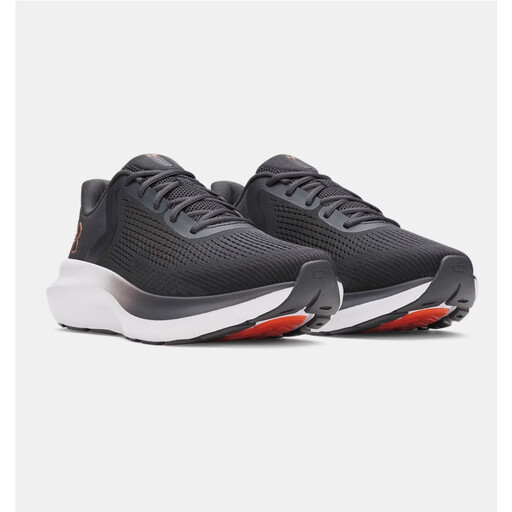
Why This Fits Their Persona: A practical option for new runners, gym users and daily pavement sessions who want a neutral running trainer with clearly listed construction details.
The listing identifies an engineered mesh upper, an 8mm offset and a neutral design, making it easier to compare with similarly priced running shoes.
Engineered mesh upper, Charged Cushioning midsole, rubber outsole and at least 20% recycled material in the upper.
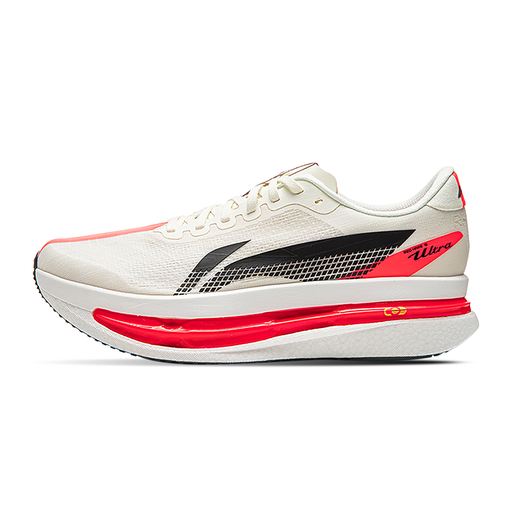
Why This Fits Their Persona: Suited to runners comparing racing shoes for structured sessions, HIIT and long-distance race training who prefer a snug performance fit.
Its description sets out the upper, layered midsole, support plate and outsole rather than relying only on vague speed-focused wording.
Triple-layer midsole, glass-fibre support plate, breathable BOOM FIBER upper and GCU outsole listed for wet and dry traction.
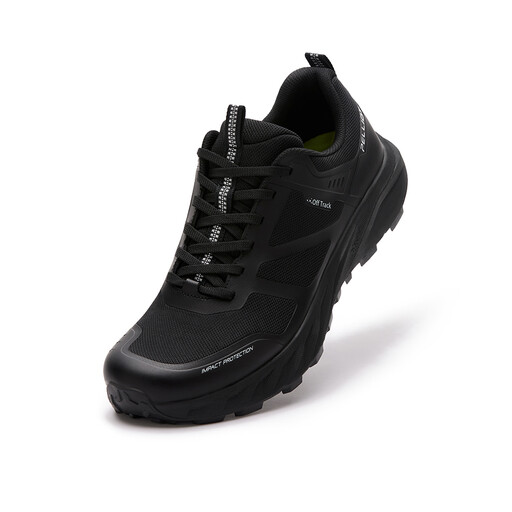
Why This Fits Their Persona: A road-to-trail choice for active users moving between pavements, gravel paths and outdoor routes in changeable UK conditions.
The listing distinguishes standard and slim fits and provides foot-length conversions, helping reduce guesswork when selecting size 44 running shoes.
Sandwich mesh and woven upper, high-elastic EVA foam and ROCKYTEC outsole; selected versions list Vibram Megagrip.
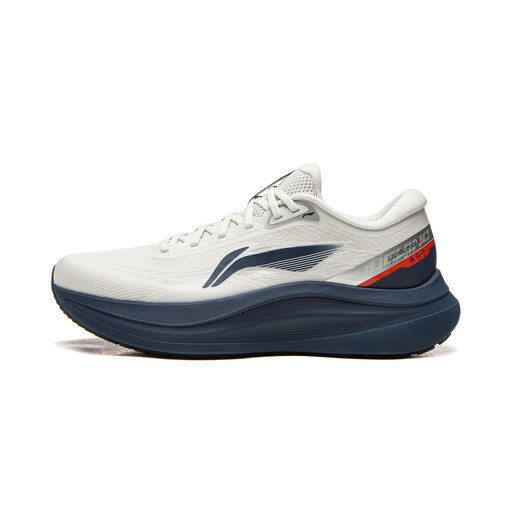
Why This Fits Their Persona: Designed for runners who prioritise cushioning, a wider toe area and a stable feel for outdoor training and regular mileage.
The product information states the widened heel, support components and toe-box design, giving more useful fit information than a generic comfort claim.
Full-length Tempo Bounce midsole, widened heel, rubber outsole and HEEL LOC+TUFF RB lockdown features.
We have compiled a complete, real-time list of products that fully satisfy these strict selection criteria and UK safety regulations.
They can be suitable for everyday training when the fit, flexibility and cushioning feel comfortable for your running style. Check the product’s intended use and avoid choosing cushioning solely because it is described with promotional language.
There is no universal lifespan. Frequent pavement running, heavy use and poor drying can accelerate wear. Inspect the outsole, midsole and heel structure regularly rather than relying only on a mileage number.
Yes, but the result depends on the outsole. Trail shoes may feel heavier or less smooth on pavement, while their tread can wear more quickly on hard surfaces. For mixed routes, look for a model specifically described for road-to-trail or multi-terrain use.