
24/7 Customer Support

Free returns

Same-day & Next-day Delivery

Quality Guaranteed

Unlock Your Welcome Offers: FREE Delivery | Up to 80% OFF | Free 30-day JoyPlus trial
Download the APP
Buying running shoes can seem straightforward until you compare cushioning systems, mesh uppers, outsole patterns and sizing charts. Marketing language often focuses on speed or “cloud-like” comfort, while the details that matter after a wet commute or several weeks of use can be harder to find.
For UK shoppers, the right pair depends on where you will wear it: pavements, parks, muddy paths, beaches, gym sessions or daily errands. The following guide explains the practical features to check before choosing running shoes, men's running shoes, unisex running shoes or everyday trainers.
A lightweight trainer may look suitable for outdoor use but still have a relatively smooth sole. That can be adequate for dry pavements, yet less suitable for wet grass, loose gravel or muddy trails. If you need trail running shoes, all-terrain shoes or hiking shoes, inspect the outsole material and tread pattern rather than relying on the product photographs.
Mesh is commonly used in breathable running shoes because it allows air and moisture vapour to escape. However, an open mesh upper will not usually keep rain or puddle water out. Water-resistant films and waterproof membranes serve a different purpose and may also reduce airflow. For stream crossings or beach use, water shoes with drainage ports are more appropriate than ordinary lightweight running shoes.
Cushioned running shoes can feel comfortable but may differ in heel width, toe-box shape and upper structure. A standard fit may suit many feet, while a slim version can be more suitable for narrower feet. Always compare the seller’s foot-length chart with your actual measurement, especially when buying men's trainers or unisex styles.
A sandwich mesh or woven upper can reduce weight and improve airflow during longer walks or runs. Look for reinforced areas around the toe and sides if you expect contact with branches, rocks or rough surfaces. Unlined designs may maximise airflow, while a moisture-wicking textile lining can offer a softer feel during extended wear.
Remember that breathability is not a guarantee against rain. If your main use is commuting in wet weather, consider footwear with a suitable weather-resistant construction, or keep a separate pair of quick-drying shoes for water-based activities.
The midsole affects how the shoe feels underfoot. EVA foam is widely used because it can provide cushioning without adding the weight of denser materials. High-rebound EVA may feel responsive, but softness is a personal preference and does not automatically indicate suitability for every running style.
For daily walking, commuting and gym use, a lightweight midsole can help the shoe feel less tiring. For uneven trails, prioritise a balance between cushioning and stability rather than choosing the softest option available.
Check whether the sole is described as rubber, abrasion-resistant or designed for wet and uneven terrain. Products featuring ROCKYTEC rubber or Vibram Megagrip on selected versions are described as providing grip on wet rocks, mud and loose sand. Confirm the exact version before ordering, as outsole specifications can vary between colourways or fit options.
For road running, a flexible rubber outsole with a moderate tread may be sufficient. For trail use, deeper lugs and a more protective upper can be useful. For water shoes, drainage channels and secure fastening are important because trapped water and sand can make footwear heavy and uncomfortable.
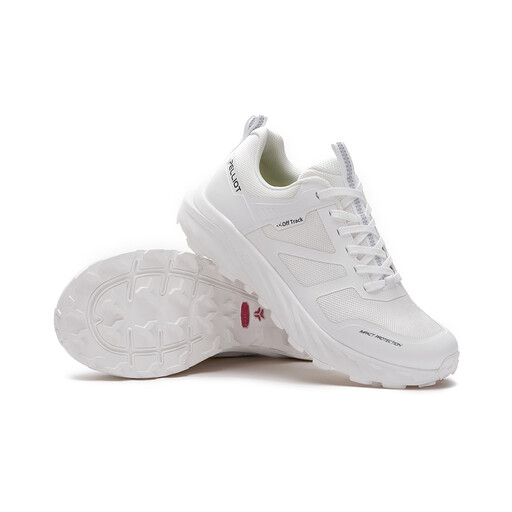
Why This Fits Their Persona: A practical option for someone starting road running, walking or mixed city-to-park activities and looking for a unisex design with a lightweight feel.
The listed mesh and woven upper support airflow, while the ROCKYTEC outsole is specified for varied surfaces rather than smooth pavements only.
High-elastic EVA foam midsole; lightweight breathable construction; foot-length sizing information provided.

Why This Fits Their Persona: Suitable for shoppers wanting men's running shoes that can also cover commuting, urban walking and casual outfits.
The product description identifies an engineered mesh upper, HOVR cushioning and a rubber outsole, making the construction clearer than appearance-led advertising alone.
Engineered mesh upper; HOVR cushioning midsole; rubber outsole and pull-tab heel detail.
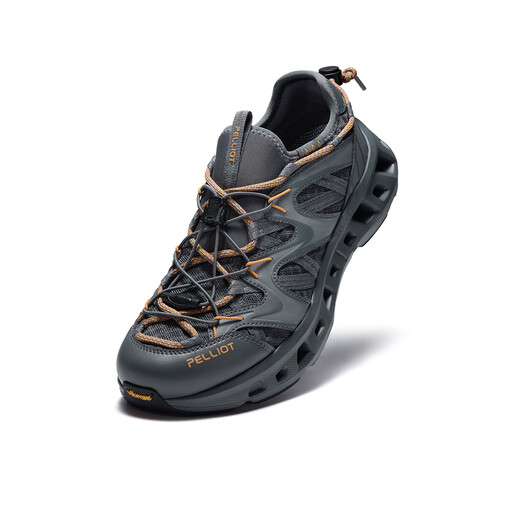
Why This Fits Their Persona: Designed for shoppers combining walking, wading, trekking and wet-weather adventures rather than ordinary road running alone.
It is specified as a water shoe with rapid drainage ports and micro-perforated mesh, rather than relying on a standard breathable upper to handle water.
Rapid drainage construction; EVA foam cushioning; quick-lace fastening; outsole specified for wet rocks and streambeds.
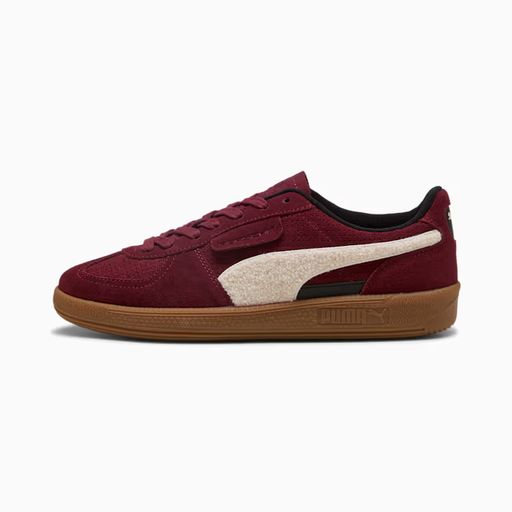
Why This Fits Their Persona: A choice for shoppers prioritising retro styling and everyday wear, including casual outfits and smart-casual settings rather than dedicated running.
Its flat sole and standard-width fit are clearly described, helping shoppers avoid confusing lifestyle trainers with cushioned running footwear.
Rounded toe box; classic lace fastening; textile and synthetic upper; flat sole for stable everyday wear.
We have compiled a complete, real-time list of products that fully satisfy these strict selection criteria and UK safety regulations.
Many running shoes are suitable for commuting, errands and daily walking because they typically combine flexible uppers with cushioning. However, trail running shoes may have a more aggressive tread, while lifestyle trainers such as Puma trainers may prioritise appearance and a flatter sole. Choose according to your usual surface and the amount of walking involved.
There is no single replacement point. Lifespan depends on mileage, body weight, surface, storage and construction. Check for flattened cushioning, uneven tread wear, loose stitching or reduced grip. A shoe used for occasional walking may remain usable longer than one used frequently for road running or rough trails.
Some lightweight running shoes feel comfortable immediately, while others need several short outings before longer sessions. Wear them indoors first to check heel security, toe movement and pressure points. If discomfort remains or your toes touch the front, changing size or fit is preferable to hoping the shoe will stretch sufficiently.