
24/7 Customer Support

Free returns

Same-day & Next-day Delivery

Quality Guaranteed

Unlock Your Welcome Offers: FREE Delivery | Up to 80% OFF | Free 30-day JoyPlus trial
Download the APP
Buying running shoes can look straightforward until you compare cushioning systems, mesh uppers, neutral designs, tread patterns and size charts. The wrong pair may feel comfortable in the shop but become unsuitable when used for longer runs, wet pavements or mixed terrain.
For UK shoppers comparing men’s running shoes, unisex running shoes, gym trainers and everyday trainers, the most useful approach is to match the shoe with how and where you will use it—not simply its appearance or brand name.
Lightweight running shoes can feel agile, but a low weight does not automatically mean the shoe is suitable for every runner or route. Check the midsole material, foot shape and intended terrain. A lightweight road shoe may not provide the outsole grip needed for muddy paths, while a heavily cushioned shoe may feel less responsive during gym sessions.
A mesh upper can improve airflow, but comfort also depends on the lining, fit, sock choice and how securely the foot is held. Very open mesh may release heat effectively but offer less protection from rain, puddles and trail debris. Look for the full upper construction rather than relying on one marketing phrase.
Road running shoes typically prioritise smooth, efficient contact with tarmac and pavements. Trail running shoes and all-terrain running shoes usually use more pronounced rubber tread for loose ground, mud and uneven surfaces. Using a road-focused outsole on wet grass or rocky paths can reduce confidence and shorten the useful life of the tread.
EVA foam is widely used in running footwear because it can provide cushioning with relatively low weight. Compare how the midsole is described: standard EVA, high-elastic EVA or a named cushioning system. These terms describe construction, not a guaranteed medical or performance outcome.
Heel-to-toe offset is another useful specification. For example, the Under Armour Charged Assert 10 lists a 10mm offset, while the Under Armour Rogue 5 lists an 8mm offset. This difference can affect how the shoe feels underfoot, so runners should avoid changing dramatically from their usual footwear without considering comfort and adaptation.
Breathable running shoes commonly use engineered or sandwich mesh. These fabrics can help heat and moisture escape during jogging or gym workouts. Leather or synthetic overlays may add structure and abrasion resistance, but they can reduce airflow in the reinforced areas.
For wet UK weather, breathable mesh should not be mistaken for waterproofing. If you regularly run in heavy rain, prioritise route suitability, socks and drying practicality rather than assuming an airy upper will keep feet dry.
Look for clear information about outsole rubber, tread and high-impact zones. The PELLIOT models described below use ROCKYTEC rubber, with Vibram Megagrip available on select versions. Under Armour running shoes such as the Surge 4, Charged Assert 10 and Rogue 5 use rubber outsoles designed for traction on surfaces including pavements, tracks and gym floors.
No outsole lasts indefinitely. Rotate pairs where possible, avoid unnecessary machine washing and allow footwear to air dry away from direct heat.
Measure foot length in millimetres or centimetres and compare it with the product’s own chart. Do not assume that the same UK size will fit identically across every brand or model. Leave enough room for natural toe movement, especially if buying shoes for longer runs.
A standard fit may suit most feet, while a slim version can be more appropriate for narrower feet. Always check whether the listed size is UK, US or EU before ordering.
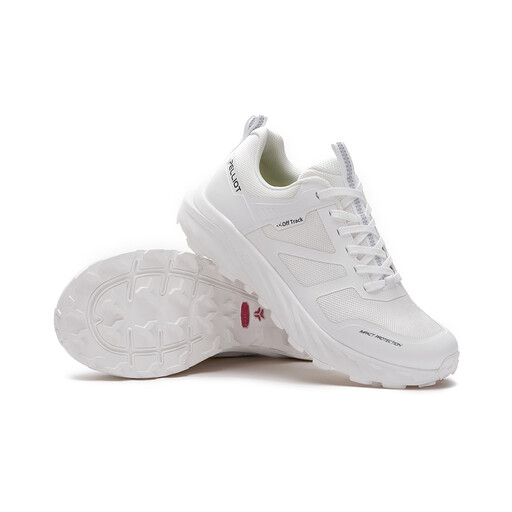
Why This Fits Their Persona: A versatile option for starting jogging, walking and occasional road-to-trail use without choosing separate shoes for every activity.
Its listed sandwich mesh and woven upper are paired with a high-elastic EVA midsole and ROCKYTEC outsole, giving shoppers more specific information than a simple “comfortable” label.
Lightweight upper, EVA cushioning and a rubber outsole designed for varied surfaces.
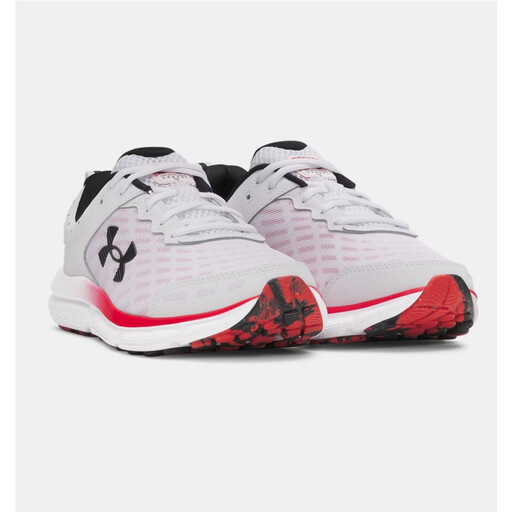
Why This Fits Their Persona: A considered choice for regular road runners who want a defined neutral design and detailed sizing from UK 6 to UK 15.
The specification lists a 280gsm mesh upper, 10mm offset, 9.5-ounce construction, sockliner and solid rubber outsole, making the design easier to compare objectively.
Neutral construction, breathable mesh, leather overlays and rubber high-impact zones.
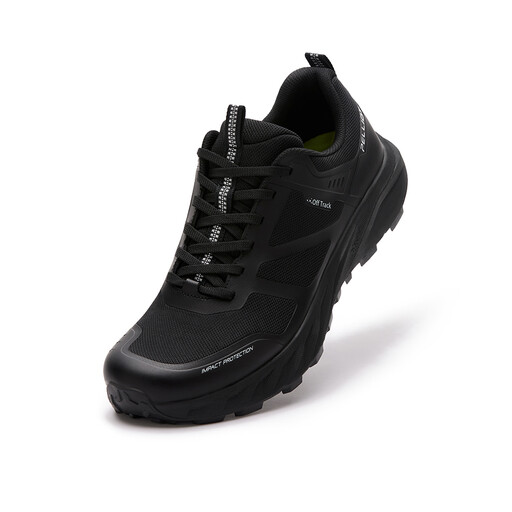
Why This Fits Their Persona: Suited to outdoor users moving between pavements, trails, wet rocks, mud and loose sand.
The ROCKYTEC outsole and abrasion-resistant upper are specified for uneven outdoor conditions, rather than being presented as a general-purpose smooth trainer.
High-rebound EVA foam, moisture-wicking textile lining and standard or slim fit options.
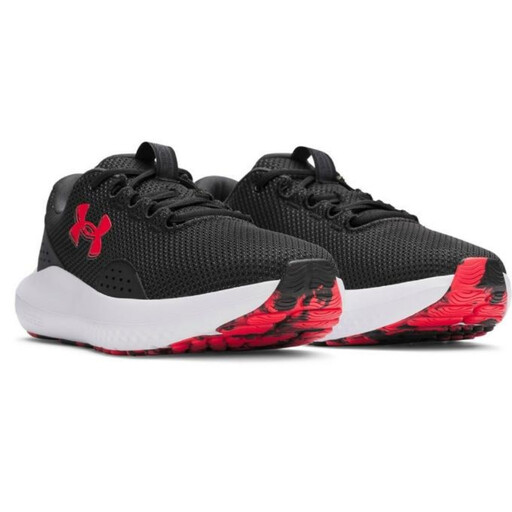
Why This Fits Their Persona: Practical for morning jogs, casual walks, gym warm-ups and daily outfits where a low-profile black shoe is useful.
Its mesh upper, responsive cushioned midsole and durable rubber outsole are clearly identified, while the care instructions rule out machine washing.
Breathable mesh, lightweight construction and traction specified for pavements, tracks and gym floors.
We have compiled a complete, real-time list of products that fully satisfy these strict selection criteria and UK safety regulations.
Choose road running shoes if most sessions take place on pavements, tarmac or tracks. Their smoother outsoles and running-focused midsoles are generally easier to use on predictable surfaces.
Choose trail or all-terrain footwear if your route includes gravel, woodland paths, wet grass, mud or rocks. Expect a more structured outsole and potentially greater upper protection, though the shoe may feel less streamlined on smooth roads.
For gym training and casual use, consider a flexible, breathable design with dependable indoor traction. Puma trainers such as the Puma Club Klassika Trainers use a canvas upper, padded insole, reinforced toe cap and lightweight rubber outsole. They are positioned more towards everyday wear than dedicated running, making the distinction important before purchase.
Inspect the outsole for worn tread, the midsole for visible compression and the upper for loose stitching or tearing. Replacement timing depends on mileage, body weight, running style, surface and storage conditions, so a fixed lifespan is not reliable for every wearer.
To preserve running shoes:
Your heel should remain secure without pressure, while your toes should have room to move without touching the front. Measure both feet late in the day if possible and compare the measurement with the individual product chart. If one foot is larger, use that measurement when selecting a size.
There is no universal replacement interval. Monitor comfort, outsole wear, midsole changes and upper damage instead of relying only on calendar time. Frequent road use may wear the outsole differently from occasional gym sessions or trail running.
Many can be used for walking or light gym sessions, particularly versatile neutral designs with rubber outsoles. However, trail shoes may feel unnecessarily aggressive indoors, while casual canvas trainers may not provide the cushioning or fit security wanted for regular running. Match the construction to the activity and surface.