Regular rye-loaf buyers
If you often buy seeded, dense or homemade rye, measure the slices you actually toast rather than assuming a slot intended for ordinary sliced bread will fit them.


Choose a toaster by measuring the rye slices you normally buy: tall slices need enough slot length or depth, while thick-cut slices need enough width. If your loaves vary in thickness or dryness, adjustable browning and a way to check toast mid-cycle may matter more than extra slice capacity. No slot description alone can establish a fit for every loaf.
If you often buy seeded, dense or homemade rye, measure the slices you actually toast rather than assuming a slot intended for ordinary sliced bread will fit them.
If you alternate between thin, dry slices and thicker or moister rye, look for adjustable browning and a way to inspect or stop a cycle before the toast gets too dark.
If you usually toast one slice at a time, a single-slice function or selectable slots may be useful. Check that the slot still accommodates your usual rye.
Measure your usual rye slice first, then decide how much browning control and slice capacity you need. The concerns below distinguish consumers by the need they would put first.
| Concern | What to check | Who this matters to |
|---|---|---|
| Slot fit | Compare your slice’s height and thickness with published slot dimensions; check length or depth as well as width. | If my usual rye slice is tall or thick, I need it to fit without being forced into the slot. Around 36% of consumers put fit first. |
| Browning control | Look for adjustable settings and, if useful, a mid-cycle viewing or cancel function. | When I change between thin, dry rye and thicker, moister slices, I want to adjust the cycle before the toast gets too dark. Browning control comes first for around 29% of consumers. |
| Slice capacity | Choose for the number of slices you normally make together; check for a single-slice function or selectable slots if relevant. | If I often prepare several slices at breakfast, waiting for another round matters more to me; if I make just one, I want controls suited to that. Around 21% of consumers prioritise how many slices they can toast at once. |
| Cleaning and retrieval | Check for a removable crumb tray and whether high lift would help with smaller slices. | Seeded rye leaves crumbs, and short pieces can sit low in a slot, so I want routine cleaning and retrieval to be manageable. For around 14% of consumers, appliance care is the primary concern. |
Width and height are different fit questions. Breville UK publishes 4 cm width and 15 cm depth for the Edge VTT981; Russell Hobbs UK gives 135 mm by 33 mm for the Classics 27390.
Measure the rye you buy most often, then compare each relevant dimension with the particular model rather than relying on the words “wide slot”.
Breville’s VTT981 guide says thin or dry bread toasts more quickly and calls for a lower setting than thicker or moister bread.
Start lower with an unfamiliar thin or dry rye slice, then adjust; use a mid-cycle check feature if the model has one.
Putting metal utensils into a toaster creates an electrical hazard. Electrical Safety First advises unplugging the appliance before using wooden tongs to retrieve stuck toast and says not to use water or cleaner inside it.
Consider high lift for small slices and a removable crumb tray for cleaning, but still unplug the toaster and follow its manual.
Dualit describes replaceable parts on its 2 Slice NewGen Classic, but its stated slot width is 28 mm. That is a separate question from whether your thick-cut rye fits.
If repairability appeals to you, compare your slice thickness with the slot dimensions before choosing the model.
These model examples offer different ways to address rye-bread fit and everyday use; the stated features do not establish how evenly every rye loaf will brown.
The compact, two-slice Core Collection CPT1600U is relevant if you alternate between slim rye and larger artisan-style slices.
The two-slice Edge VTT981 gives buyers of tall or thick-cut rye published dimensions to compare with their bread.
The Classics 27390 is a compact option to assess if your rye slices are consistently sized.
The 2 Slice NewGen Classic is relevant if selectable one- or two-slot use and repairable construction matter to you.
These two- and four-slice toasters offer different capacity and control choices for rye-bread breakfasts. Before choosing by a “wide slot” description, compare your usual slice with the model’s actual slot dimensions.
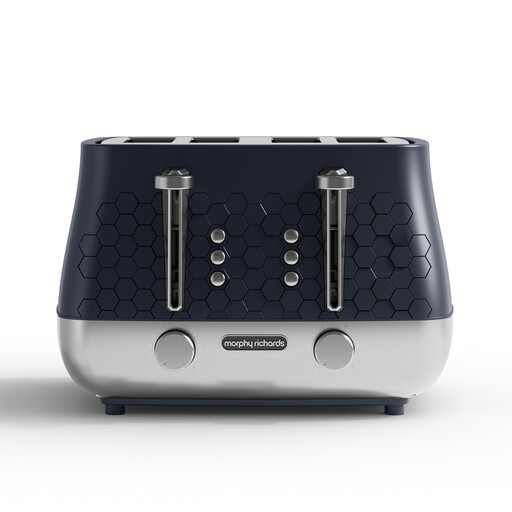 No image available
Consider this four-slice model if you often toast several pieces of rye together or alternate between smaller and larger batches. Its listing describes wide slots, independent controls, high lift and removable crumb trays; compare your usual slice with the slot dimensions before relying on a fit.
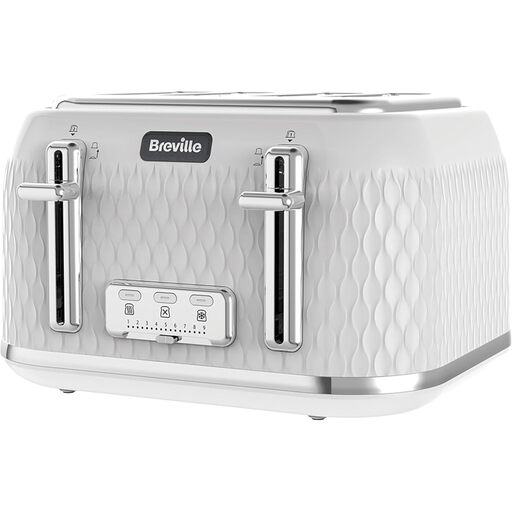 No image available
Consider this model if you toast several slices and want to adjust browning between pairs. The listing describes long, extra-wide slots, six browning settings, independent controls and high lift; confirm that your rye’s dimensions suit the slots.
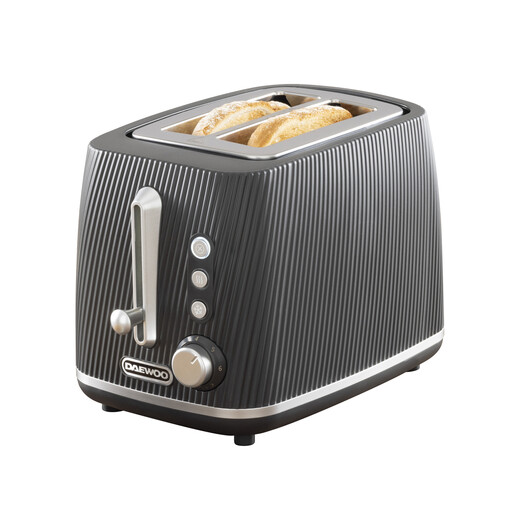 No image available
This two-slice model suits a smaller batch if its slots fit your rye. The listing describes extra-wide, self-centring slots, adjustable browning and a removable crumb tray; check the dimensions against thick or tall slices.
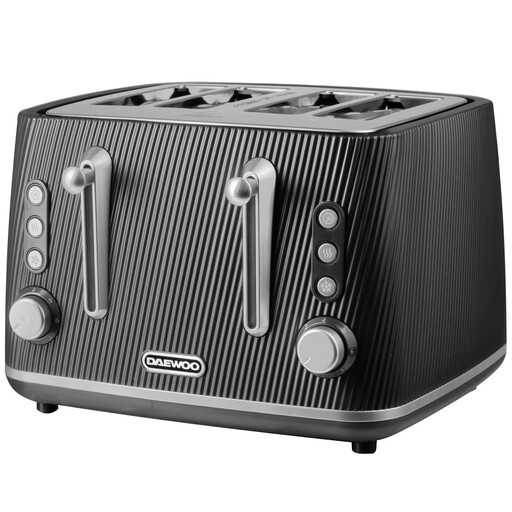 No image available
Consider the four-slice version when you regularly prepare more toast at once or want separate controls for two pairs. The listing describes extra-wide slots, adjustable browning and two removable crumb trays; measure your rye before treating the slots as a match.
 No image available
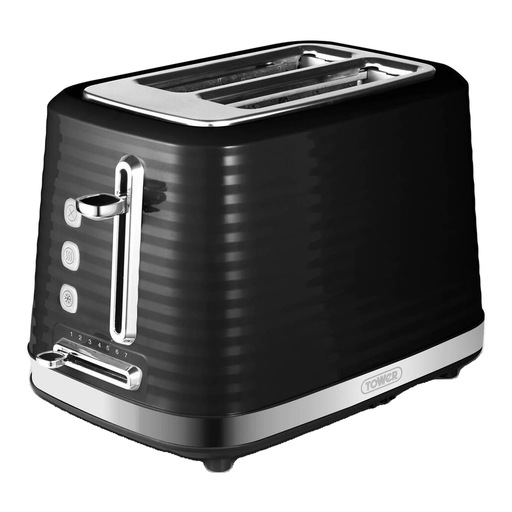
This two-slice model may suit smaller batches when adjustable toast colour matters to you. Its title specifies seven browning levels and defrost, reheat and cancel controls; check the slot dimensions against your rye before choosing it for bread fit.
No: “wide” addresses thickness, not necessarily the height of a rye slice. Compare the bread you buy with model-specific measurements; Breville UK states 4 cm width and 15 cm depth for the Edge VTT981, while Russell Hobbs UK specifies 135 mm by 33 mm slots for the Classics 27390.
Start with a lower setting for an unfamiliar thin or dry slice, then adjust after checking the result. Breville’s VTT981 guide says dry or thin bread toasts more quickly, while thicker or moister slices may need a higher setting; there is no single setting for every rye loaf.
Unplug the toaster, let it cool and empty its crumb tray frequently. Electrical Safety First says not to put water or cleaner inside; if toast is stuck, unplug the appliance before using wooden tongs rather than fingers or metal utensils.
Check that the appliance and plug are suitable for where you will use them and follow the manufacturer’s placement instructions. Electrical Safety First advises buying from a reputable retailer and registering the appliance for safety-recall contact; Breville’s VTT981 guide calls for a stable, dry, level surface away from combustible materials.