
24/7 Customer Support

Free returns

Same-day & Next-day Delivery

Quality Guaranteed

Unlock Your Welcome Offers: FREE Delivery | Up to 80% OFF | Free 30-day JoyPlus trial
Download the APP
As the days shorten and the skies over the UK turn a familiar shade of grey, many of us feel a dip in energy and mood. For some, this is more than just the "winter blues"; it's a recognised condition. If you find yourself struggling with fatigue and low spirits during the darker months, a SAD lamp could be a valuable tool.
However, the market is flooded with bright lights making bold claims. It's easy to invest in a product that is ineffective or, worse, unsuitable. Before you buy, it's crucial to understand the common pitfalls that lead to wasted money and continued frustration.
To ensure you are choosing a device fit for purpose, focus on these non-negotiable features. Understanding them will help you see past the marketing hype and select a product that can genuinely help.
The widely recognised intensity for effective light therapy is 10,000 lux. Lux is a measure of light intensity over a given area. For context, a brightly lit office is around 500 lux, while direct sunlight can be over 50,000 lux. A SAD lamp simulates the brightness of natural daylight to help trigger the brain's response to sunlight. Crucially, check at what distance this intensity is achieved. A good lamp will provide 10,000 lux at a comfortable sitting distance of 20-50 cm, allowing you to read or work during your session.
Your health and safety are paramount. The light emitted should be completely UV-free. Therapeutic light should mimic the positive effects of sunlight without the associated risks of ultraviolet radiation. Reputable manufacturers will always highlight this as a key safety feature. Look for lamps that use LED technology, as they are energy-efficient, long-lasting and can be designed to emit pure, UV-free white light.
A key indicator of a product's credibility is whether it is a medically certified SAD lamp. This certification means the device has been assessed and verified for its intended therapeutic purpose and meets specific safety and performance standards. While many bright lights are available, a medically certified device provides an extra layer of assurance that you are using a product designed specifically for light therapy.
We have analysed the options based on these critical criteria. Instead of a simple list, we have matched products to different user needs, helping you find the right fit for your lifestyle.
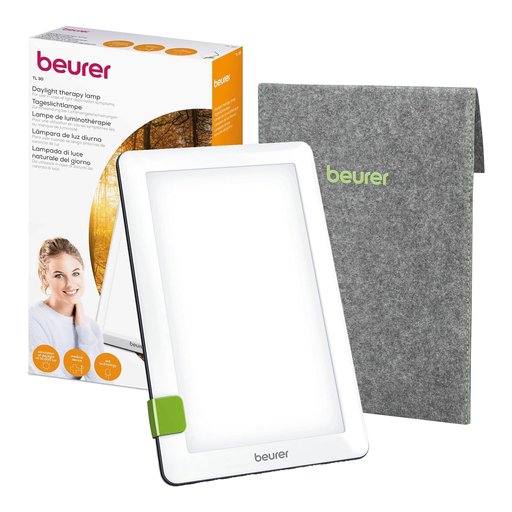
Why This Fits Their Persona: This user needs a solution that fits a busy, on-the-go lifestyle. The Beurer TL30UK is a super-slim, portable SAD lamp that easily fits into a work bag (a travel bag is included). Its adjustable stand allows for vertical or horizontal placement on a cramped office desk, making it simple to get a morning light session before the workday begins.
It is a medically certified device that delivers a genuine 10,000 lux of UV-free LED light. This removes the guesswork and risk associated with non-certified lamps with vague specifications.
Its primary advantage is its combination of certified performance and true portability. The simple one-button operation and included carry case make it exceptionally practical for daily use anywhere.
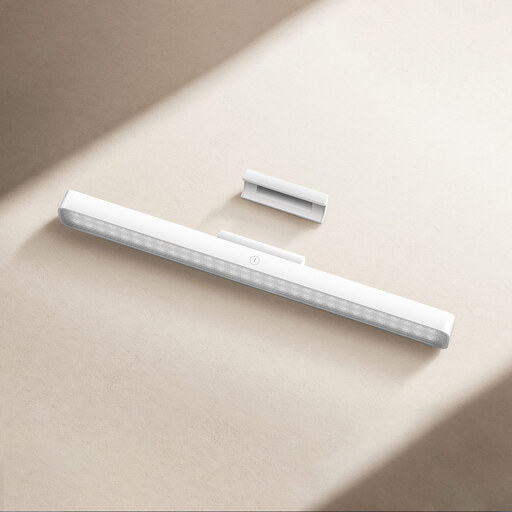
Why This Fits Their Persona: This is not a SAD lamp, but a perfect companion piece. After a morning session with a therapy lamp, this user needs high-quality task lighting to reduce eye strain during the workday. This light bar illuminates the desk without causing screen glare, and its high colour rendering index (Ra90) makes for a more comfortable working environment.
It avoids the trap of using a single, harsh light for all purposes. By clearly defining its role as a task light, it complements a SAD lamp instead of trying (and failing) to replace it. It is specifically designed to reduce eye strain, a common complaint in home offices.
Its key advantage is its clever, space-saving design. The magnetic, adjustable head provides targeted light exactly where you need it. The high CRI and flicker-free illumination are objective features that contribute to reduced eye fatigue.
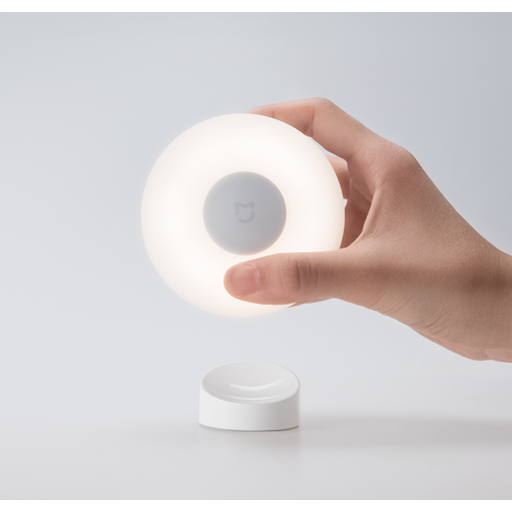
Why This Fits Their Persona: Effective light therapy is about managing your body clock. This user understands that after a bright light session in the morning, it's important to use gentle, warm light in the evening. This motion-activated night light provides a soft, warm 2800K glow, perfect for navigating hallways or bedrooms at night without the sleep-disrupting shock of a bright, blue-toned light.
It addresses the often-ignored pitfall of evening light hygiene. While not a therapy lamp, it's a crucial part of a holistic light management routine. Its warm colour temperature and low intensity are specifically designed to be non-stimulating, supporting a healthy sleep cycle.
The combination of a sleep-friendly 2800K warm light, motion activation and smart Bluetooth connectivity for customisation makes it a highly functional tool for maintaining a consistent circadian rhythm.
We have compiled a complete, real-time list of products that fully satisfy these strict selection criteria and UK safety regulations.
For a 10,000 lux lamp, a typical session lasts between 30 and 60 minutes. It is generally recommended to use it in the morning, as this helps to set your body clock for the day ahead. Consistency is key, so try to incorporate it into your daily routine.
No. It is important to use a lamp specifically designed for light therapy. Look for a device that is medically certified, provides a 10,000 lux intensity at a comfortable distance and is certified as UV-free. A standard household or desk lamp will not meet these criteria and will not be effective.
Place the lamp on a table or desk to the side of you, at about arm's length (typically 30-50 cm). The light should be angled to enter your eyes indirectly. You do not need to, and should not, stare directly into the lamp. You can read, eat breakfast or work on a computer while the lamp is on.