
24/7 全天候客户支持

免费退货

当日/次日达

品质保障

开启新人专享福利: 全场免邮 | 低至 2 折 | 免费试用 30 天 JoyPlus 会员
下载 Joybuy
As the days grow shorter and darker across the UK, many of us feel a familiar dip in energy and mood. This "winter blues" phenomenon can make it challenging to stay focused and positive. A SAD lamp, or light therapy lamp, is a popular tool to help counteract these effects, but navigating the market can be confusing. Many products make bold claims, leading to purchases that are ineffective or unsuitable.
As the Joybuy Product Recommendation Officer, my role is to help you identify the key features that matter. Before you spend your money, be aware of these common purchasing pitfalls:
To ensure you are choosing a device designed for its intended purpose, focus on these non-negotiable specifications.
The effectiveness of a daylight therapy lamp is measured in lux, which indicates the intensity of light at a specific distance. For alleviating the symptoms associated with winter fatigue, the generally recommended intensity is 10,000 lux. It is crucial to check the distance at which this is measured (e.g., 10,000 lux at a distance of 20 cm). A lamp that only achieves this intensity when you are centimetres away is not practical. A proper 10,000 lux light box provides this intensity at a comfortable and usable distance, allowing you to read, work or eat during your session.
A genuine SAD lamp is designed for wellbeing, not tanning. It is essential that the device provides a UV-free LED light source. This ensures you receive the full-spectrum visible light that can help regulate your internal body clock, without exposing yourself to damaging ultraviolet rays. Look for explicit "UV-free" certification or statements. Furthermore, LED technology is energy-efficient and flicker-free, providing a stable and comfortable light source that is more pleasant for daily use.
For peace of mind, consider a device that is medically certified. This indicates that the product has been manufactured to meet specific safety and performance standards for a therapeutic device. Beyond certification, consider the physical design. A lightweight, portable SAD lamp with a stable stand and perhaps a travel case offers the flexibility to maintain your routine whether you are at home, in the office or travelling.
Based on these essential criteria, here are a few options matched to different user needs.
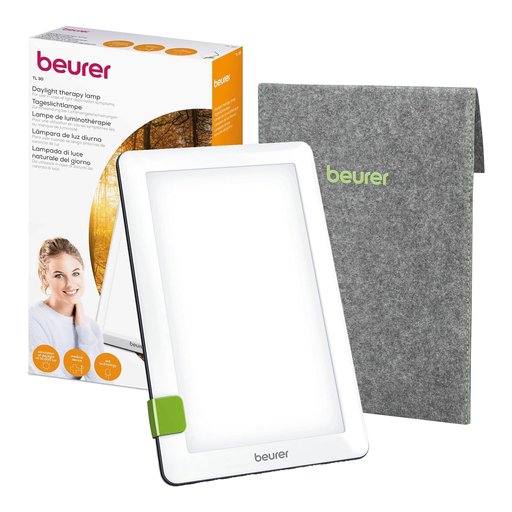
Why This Fits Their Persona: For those who commute, travel or need a device with a small footprint, this lamp's slim, tablet-like profile and included travel bag make it exceptionally easy to transport and set up anywhere.
It directly counters the "impractical design" pitfall. Its lightweight build and versatile stand (for portrait or landscape use) ensure it can be used consistently without being a burden.
Medically certified device delivering 10,000 lux intensity. The simple one-button operation removes any complexity from your morning routine.
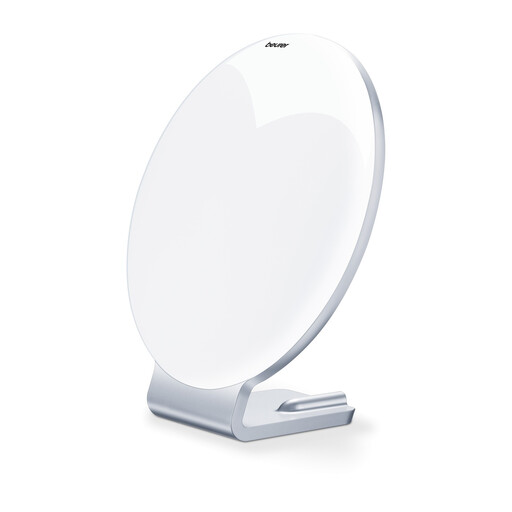
Why This Fits Their Persona: Ideal for someone who wants a no-fuss, set-and-forget device for a specific spot, like a home office desk or kitchen counter. Its compact, stable design makes it a permanent, reliable fixture.
This lamp avoids the "bright light illusion" by clearly stating its 10,000 lux output. It is a medically certified device, not just a generic bright light, ensuring it meets therapeutic standards.
Features a simple one-touch operation and provides a uniform, flicker-free and UV-free LED light. Its energy-efficient technology ensures low power consumption during daily use.
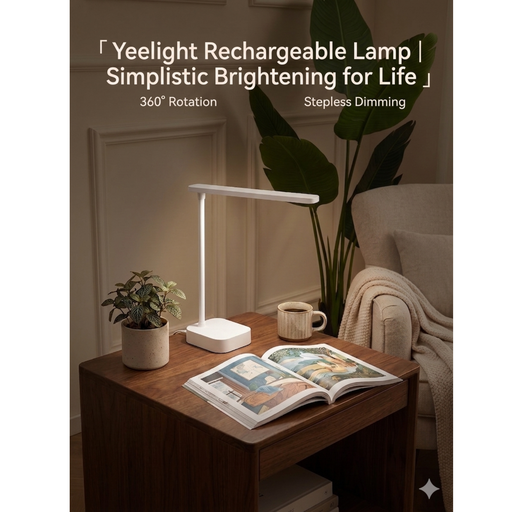
Why This Fits Their Persona: Perfect for students or professionals looking to improve their general workspace lighting for better focus. Note: This is a high-quality desk lamp, not a medically certified SAD therapy device.
By being positioned correctly as a supplementary tool, it avoids the trap of being mistaken for a winter blues lamp. It provides excellent task lighting to complement, not replace, a proper therapy session.
It is rechargeable and portable, with adjustable angles and warm, eye-friendly lighting. This makes it a versatile addition to any study or home office setup for reducing eye strain.
We have compiled a complete, real-time list of products that fully satisfy these strict selection criteria and UK safety regulations.
No, this is a common misconception. A standard household or desk lamp, even if it feels very bright, does not typically produce the 10,000 lux intensity required for effective light therapy. Furthermore, they are not guaranteed to be UV-free. For this specific purpose, it is important to use a device designed and certified as a SAD lamp or light therapy lamp.
Responses can vary between individuals. Many people report feeling more energetic and focused within the first one to two weeks of consistent daily use. The key is consistency: using the lamp every morning for the recommended duration (usually 30-60 minutes) is more important than occasional, longer sessions. Always consult the manufacturer's instructions and if you have underlying health conditions, speak with your doctor.
Modern SAD lamps almost exclusively use LED technology, which is highly energy-efficient. A typical LED SAD lamp consumes very little electricity, often between 10-15 watts. If used for an hour every day, the annual running cost would be minimal, amounting to just a few pounds per year on your electricity bill. This makes it a very cost-effective tool for daily use through the autumn and winter months.