
24/7 Customer Support

Free returns

Same-day & Next-day Delivery

Quality Guaranteed

Unlock Your Welcome Offers: FREE Delivery | Up to 80% OFF | Free 30-day JoyPlus trial
Download the APP
Buying dog chew toys can look straightforward until a toy splits, becomes too small or fails to hold your dog’s interest. Marketing terms such as “indestructible”, “dental care” and “long-lasting” do not tell you enough about suitability. The right choice depends on your dog’s size, chewing style, age and whether the toy is intended for chewing, treats, fetch or interactive play.
This guide from the Joybuy Product Recommendation Officer highlights the common buying traps and the practical specifications worth checking before you shop.
No dog chew toy is indestructible. A powerful chewer may damage even thick nylon, natural rubber or layered materials. Products should be inspected before and after use, particularly if your dog bites hard, attempts to swallow fragments or chews continuously.
Look for clear material information, dimensions and warnings rather than relying on a durability label alone. A toy that is suitable for a small dog may be unsafe or ineffective for a medium or large breed.
Textured surfaces and raised nubs may provide mechanical contact with teeth and gums during chewing. However, dental chew toys for dogs are not a replacement for brushing, professional care or veterinary advice. A dog that bites aggressively may also wear down textured parts quickly or break off pieces.
Use claims such as “plaque and tartar control” as an indication of the toy’s intended design, not as a guaranteed oral-health result.
A realistic bone or branch shape may attract attention, but size is a safety consideration. Toys must be large enough that your dog cannot swallow them whole or break off a section that could become a choking hazard. Conversely, a large, rigid toy may be awkward for a puppy or small dog to grip.
Always compare the listed dimensions with your dog’s mouth size and chewing habits. For puppies, select puppy teething toys with an appropriate texture and monitor closely as their teeth and bite develop.
Natural rubber dog toys are generally flexible, quieter on hard floors and suitable for dogs that enjoy chewing, fetching and treat-based play. Hollow or fillable designs can also work as treat-dispensing dog toys, giving a dog a reason to interact for longer.
Nylon dog chew toys are typically firmer and can suit dogs that prefer a hard chewing surface. They should still be replaced if sharp edges, cracks or loose fragments appear. Mixed constructions, such as a nylon core with a rubber exterior, combine different textures but may require careful inspection at the joins.
Cowhide, collagen or edible centres introduce a food element. These products need closer supervision because the edible section becomes smaller as the dog chews.
Check the product’s stated size range, not just the picture. For example:
Breed alone is not enough. A small dog can be an enthusiastic chewer, while a larger dog may prefer a softer interactive toy.
A chew toy used indoors should be easy to clean and quiet enough for your household. For dogs prone to boredom, rotating several interactive dog toys can make familiar items more engaging. Fetch, tug and treat-filling can add mental stimulation beyond chewing.
Follow the care instructions supplied with the product. Some rubber toys can be rinsed with warm water, while toys with edible centres may need wiping rather than immersion. Allow toys to dry fully and keep them in a cool, dry place.
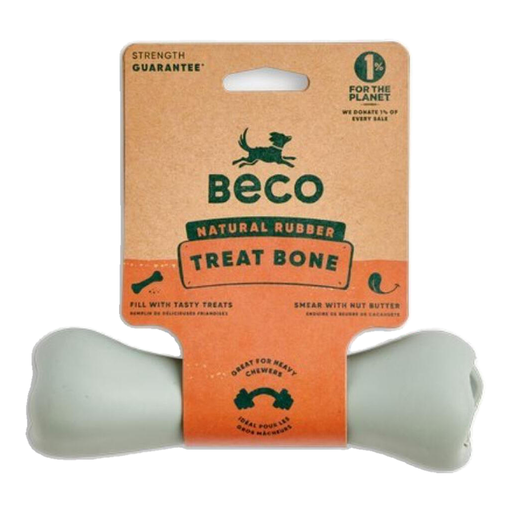
Why This Fits Their Persona: A practical first option for households wanting one toy for indoor chewing, treat enrichment and outdoor fetch-style play.
Its 17.5 × 4.9 × 5.4 cm size and stated supervision warning make suitability easier to assess than an unspecified “tough” toy.
Thick natural rubber; two fillable ends for pastes, dry treats or baked snacks; designed for quieter indoor play.
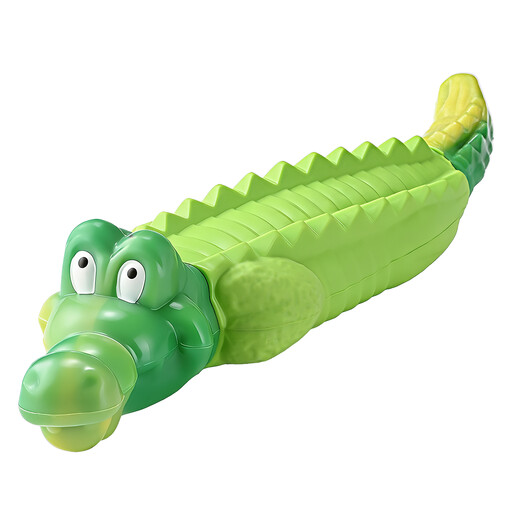
Why This Fits Their Persona: Suits owners seeking a larger, multi-purpose design for medium and large dogs during home or outdoor play.
The listing specifies a 24 × 6 cm format and a nylon core with a natural rubber exterior, rather than relying only on a bite-resistant claim.
Double-layer construction; textured crocodile shape for gripping; suitable for fetch and tug-style interaction.

Why This Fits Their Persona: A large-format option for dogs that prefer firm nylon and need a clearly stated large-dog design.
It identifies large dogs as the intended users and advises replacement when cracks or obvious wear develop.
Large chicken-bone shape; durable nylon; can be rinsed with water and dried before reuse.
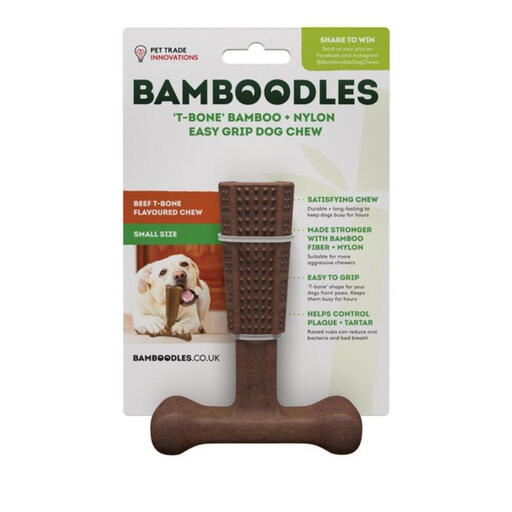
Why This Fits Their Persona: Intended for small dogs over 10 weeks, it provides a manageable option for owners considering textured chewing and boredom relief.
It gives a defined small-dog age recommendation and states that chewing must be supervised, with replacement required if worn.
Bamboo fibre and nylon construction; raised nubs; T-bone shape designed for holding with the front paws.
We have compiled a complete, real-time list of products that fully satisfy these strict selection criteria and UK safety regulations.
There is no fixed lifespan. It depends on material, bite strength, frequency of use and whether the dog gnaws one area repeatedly. Check the toy regularly rather than keeping it for a set number of weeks or months. Replace it at the first sign of unsafe wear.
No. Textured toys may provide limited mechanical cleaning during chewing, but they should not be treated as a complete dental-care routine. Regular brushing, suitable products and veterinary guidance remain important, particularly if your dog has persistent bad breath or visible deposits.