
24/7 Customer Support

Free returns

Same-day & Next-day Delivery

Quality Guaranteed

Unlock Your Welcome Offers: FREE Delivery | Up to 80% OFF | Free 30-day JoyPlus trial
Download the APP
Navigating the market for safety products can feel overwhelming. Whether you're looking to protect a new phone, enhance your car's readiness for emergencies or simply find reliable tools for your home, the sheer number of options can be confusing. As a Joybuy Product Recommendation Officer, my role is to help you identify genuinely useful items and steer clear of common purchasing mistakes.
Many products come with bold claims, but not all deliver when it matters. Before you spend your money, it's worth knowing about a few common pitfalls that can lead to disappointment and wasted funds.
To make an informed choice, focus on a few key parameters rather than marketing hype. These are the non-negotiable features that separate reliable safety products from the rest.
The materials used are the foundation of any safety product. Instead of falling for vague descriptions, look for objective details.
A product's design determines its effectiveness in a real situation.
Here are a few products that align with these principles, matched to different user needs.
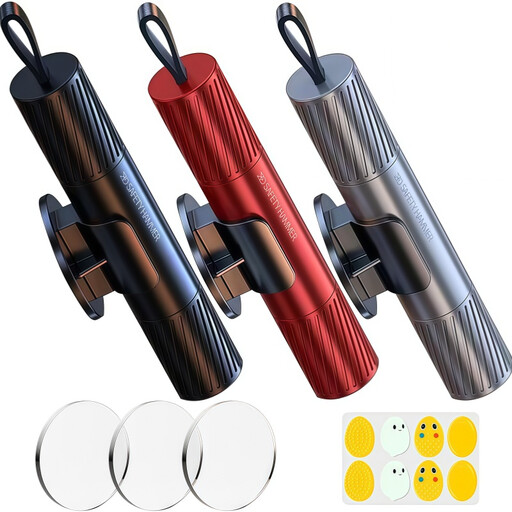
Why This Fits Their Persona: This compact tool is an essential piece of personal safety equipment for any driver in the UK. It can be stored discreetly in a glove box or centre console, providing peace of mind without getting in the way during daily journeys.
It directly counters the "poor design" trap with its spring-loaded tungsten steel tip and anti-slip grips, ensuring it can be used effectively in a high-stress emergency.
Features a 2-in-1 design with a glass breaker and a safely recessed seatbelt cutter. Crucially, it specifies it works on tempered side windows, not laminated windscreens.
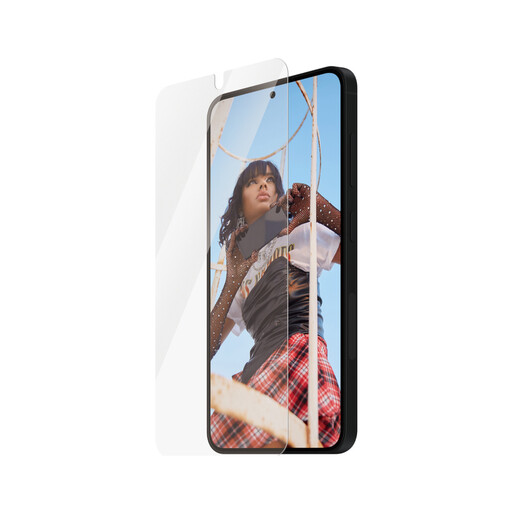
Why This Fits Their Persona: Anyone with a new flagship phone wants to protect their investment. This user prioritises screen protection to guard against costly repairs from everyday drops, bumps and scratches.
It avoids the "universal fit" illusion with its "Ultra-Wide Fit" design, which is tailored for specific models. It also includes an aligner tool to ensure a perfect, bubble-free application.
Offers a verifiable claim of 3x higher scratch resistance than previous models and includes an anti-smudge coating to reduce fingerprints and maintain screen clarity.

Why This Fits Their Persona: For the person who values simple, reliable tools in the home, especially the kitchen. They need a dependable way to light gas stoves, candles or barbecues without fuss.
These are not generic matches. They are specifically designed for kitchen use, with a sturdy, moisture-resistant build that avoids the trap of failing in their intended environment.
Offers a controlled ignition process for enhanced safety and a robust construction that prevents breakage during striking, ensuring reliable performance every time.
We have compiled a complete, real-time list of products that fully satisfy these strict selection criteria and UK safety regulations.
Always read the product description carefully for any listed exclusions. For a universal seat belt, measure the existing belt length and check the mounting hardware against what is provided. With blind spot mirrors, the fit is less about the car model and more about having a clean, flat surface on your wing mirror for the adhesive. For a car emergency tool, its "universal" nature applies to its ability to break tempered side-window glass, which is standard on most cars, rather than the vehicle's make or model.
While modern smartphone screens are more durable than ever, they are not immune to damage. A high-quality tempered glass screen guard acts as a sacrificial layer. It is designed to absorb the impact from a drop or resist scratches from keys in a pocket, which could otherwise result in a costly screen replacement. It is a small investment for significant peace of mind.
These two personal safety accessories for your phone serve different functions. A screen protector is a large sheet of tempered glass or film that covers the main display on the front of your phone. A camera lens protector is a much smaller, precisely cut piece of transparent material that fits over the camera lenses on the back of the phone. Its sole purpose is to prevent scratches and cracks on the lenses, which can degrade or ruin photo and video quality.