
24/7 Customer Support

Free returns

Same-day & Next-day Delivery

Quality Guaranteed

Unlock Your Welcome Offers: FREE Delivery | Up to 80% OFF | Free 30-day JoyPlus trial
Download the APP
A good salad dressing can transform a simple bowl of greens into a satisfying meal, but navigating the supermarket aisle can be tricky. With so many options, it's easy to fall for marketing claims that don't quite deliver. As a Joybuy Product Recommendation Officer, my role is to help you see past the hype and make choices that suit your taste, diet and budget.
Before you add a bottle to your basket, let's look at a few common pitfalls that can lead to disappointment and wasted money.
To find a salad dressing that truly meets your needs, focus on these core parameters instead of just the front-of-bottle claims.
The base ingredients determine the entire character of a dressing.
Always check the "per 100ml" column on the nutritional information table. This allows for a fair comparison between different products.
This is a non-negotiable check. Common allergens in salad dressings include:
Always scan the ingredients list, which will typically have allergens highlighted in bold.
Instead of a one-size-fits-all approach, here are a few options matched to different household needs and preferences.
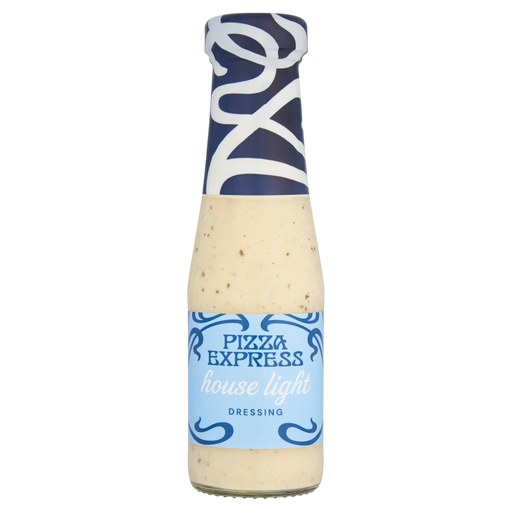
Why This Fits Their Persona: This dressing offers a familiar, restaurant-quality flavour that appeals to the whole family. It's a versatile staple that works just as well on a side salad as it does as a dip for pizza crusts or vegetable sticks, making it a practical choice for quick evening meals.
It sidesteps the "healthy halo" trap by being specific. The label states it has at least 30% less fat than the standard version, providing a clear, factual benefit rather than a vague health claim.
A balanced, herb-infused flavour profile based on white wine vinegar and rapeseed oil. It's a reliable all-rounder for various dishes.
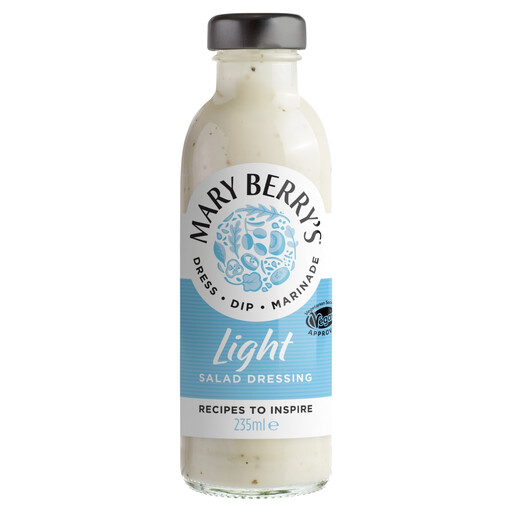
Why This Fits Their Persona: For those actively managing their dietary intake, this dressing provides the classic taste of the original with a clear nutritional benefit. It's ideal for anyone seeking a lighter option for daily salads without sacrificing flavour.
This dressing offers transparency. It clearly states it contains 50% less fat than the original and the nutritional panel allows you to see the full picture, including the 14g of sugar per 100ml, so you can make an informed decision.
It is approved by the Vegetarian Society and is suitable for vegans. It contains no artificial colours, flavours or preservatives.
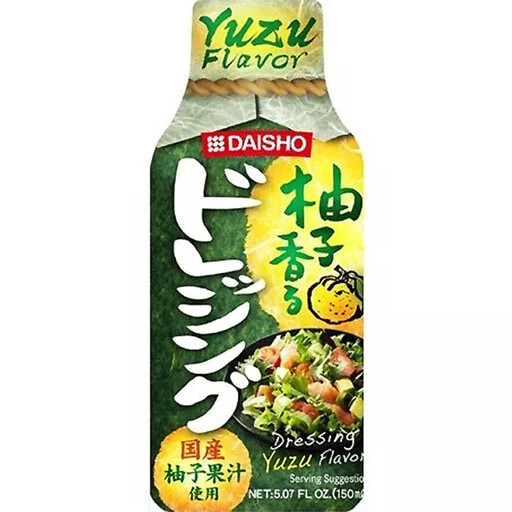
Why This Fits Their Persona: For the home cook who is bored of standard vinaigrettes and wants to explore authentic international tastes. This dressing brings the unique, aromatic citrus flavour of Japanese yuzu, perfect for elevating seafood, noodle salads or simple greens.
It avoids the "vague flavour" pitfall by using authentic ingredients. The presence of real yuzu juice and quality soy sauce ensures it delivers a genuine Japanese flavour profile, not just a generic "citrus" taste.
A unique and refreshing tangy flavour that is hard to replicate. It is highly versatile for both cold salads and as a finishing sauce for hot dishes.
We have compiled a complete, real-time list of products that fully satisfy these strict selection criteria and UK safety regulations.
This varies greatly. A high-acid vinaigrette with few preservatives might last for several weeks in the fridge. A creamy salad dressing containing egg or dairy, like a Caesar or ranch, should typically be consumed within 4-6 weeks. Always check the label for the manufacturer's specific recommendation and store it in the fridge after opening.
Absolutely. Many dressings are multi-purpose. Vinaigrettes are excellent marinades for chicken or fish. Creamy dressings can be used as salad dips for raw vegetables, chips or even chicken wings. A good house dressing can also be drizzled over roasted vegetables or used as a sandwich spread.
The primary difference is the base. A vinaigrette is an emulsion of oil and a water-based acid, like vinegar or lemon juice. It tends to be thin and tangy. A creamy dressing typically includes an emulsifying agent like egg yolk (mayonnaise) or dairy (buttermilk, yoghurt or sour cream), which gives it a thicker, richer texture.